Personalized Nasal & Facial Care • Dedicated International Patient Concierge

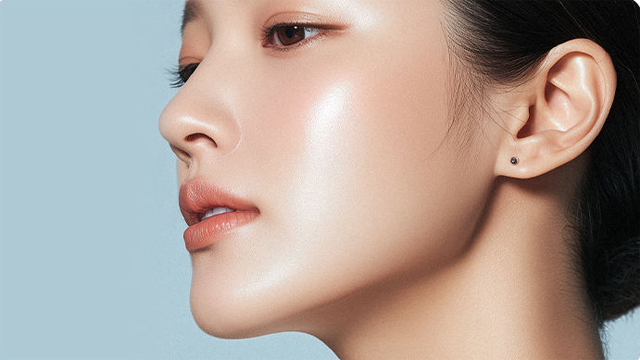
Rhinoplasty (Nose Reshaping Surgery)
Rhinoplasty by Type
Rhinoplasty by type means the surgical plan is built around your specific nasal concern
Schedule a Consultation
What Is Rhinoplasty by Type?
Rhinoplasty is not a single, one-size-fits-all procedure. Every nose has a distinct structural identity — shaped by the nasal bones, cartilage framework, septal anatomy, skin thickness, and how all of these elements interact with the surrounding face.
Rhinoplasty by type means the surgical plan is built around your specific nasal concern: whether that is a flat bridge, a drooping tip, a crooked nasal bone, a hump along the dorsum, or a nose that appears too short or too wide for your face. Each type requires a different surgical logic, different instruments, and a different artistic approach.
At JNB Clinic, this process is guided by high-resolution 3D scanning and precise pre-surgical design — analyzing facial contour, skin thickness, existing cartilage structure, and the relationship between the bridge and tip before a single incision is made. The goal is not simply to change the nose. It is to find the most natural height, line, and proportion for your face — and to make that result last.
Modern rhinoplasty has moved well beyond simply making a nose higher or changing its shape. Today's approach considers the beautiful proportions of the entire face, the harmony of its features, and — critically — the functional integrity of nasal breathing. JNB Clinic's philosophy, "Beautiful, comfortable breathing is where it all begins," reflects this integrated thinking.
Who Needs Rhinoplasty Treatment?
Rhinoplasty by type may be appropriate for individuals who experience one or more of the following concerns:
-
Low or flat nose bridge — The bridge between the eyes sits low, reducing the sense of facial dimension and depth
-
Bulbous or wide nasal tip — The tip appears thick, round, or spreads wider than harmonious with the rest of the face
-
Crooked nose — The nasal bridge or tip deviates to one side, whether from structural asymmetry or prior injury
-
Hooked nose (aquiline) — A prominent hump on the dorsum creates a strong, angular impression that feels discordant with softer facial features
-
Long or drooping nose — The nose appears elongated or the tip sags, particularly visible in profile
-
Short or upturned nose (piggy nose) — Nostrils are overly visible from the front; the nose appears too short relative to the face
-
Asymmetric nasal structure — One side of the nose differs noticeably in shape, height, or projection from the other
-
Breathing difficulty associated with nasal structure — Structural deviation that affects airway function alongside aesthetic concerns
-
Adults seeking a natural-looking enhancement — Individuals who want refinement rather than a dramatically changed appearance
-
Those who have considered or undergone prior nose surgery — Patients seeking structural correction or improvement of previous results
Meet the Specialist — Dr. JuYong Kang
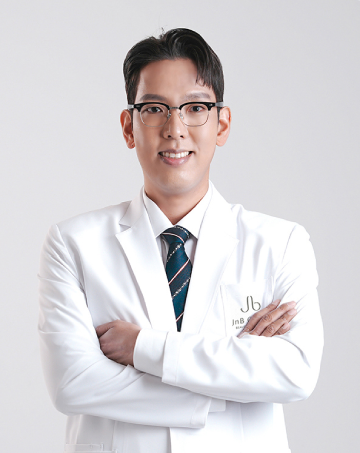
Dr. JuYong Kang
Representative Director & Chief Physician
JNB Clinic Plastic Surgery & Otolaryngology (ENT)
Dr. JuYong Kang is the Representative Director and Chief Physician of JNB Clinic, holding dual board-level qualifications in Otolaryngology (ENT) and Facial Plastic & Reconstructive Surgery. His clinical background spans nasal airway reconstruction, rhinoplasty across all nose types, facial plastic surgery, sleep-related breathing disorders, and stem cell therapy.
Dr. Kang completed his medical education at Kyung Hee University School of Medicine and Kyung Hee University Graduate School of Medicine. Prior to founding JNB Clinic, he served as Director at Byeol Plastic Surgery Clinic and Director at Samsung Dream Otolaryngology Clinic — building clinical depth across both the surgical and functional dimensions of nasal medicine.
He holds active membership in the Korean Society of Otorhinolaryngology-Head and Neck Surgery, the Korean Rhinologic Society, the Korean Society of Facial Plastic and Reconstructive Surgery, the Korean Society for Stem Cell Therapy, the Korean Sleep Research Society, the Rhinoplasty Research Society of the Korean Society of Plastic and Reconstructive Surgeons, and the Anti-Aging Plastic Surgery Research Society.
Dr. Kang's guiding philosophy: "Beautiful, comfortable breathing is where it all begins. The harmony between natural breathing and the face is more important than anything else." This dual focus — on how the nose looks and how it functions — defines the JNB Clinic approach to every rhinoplasty case.
Treatment Areas and Expected Improvements
-
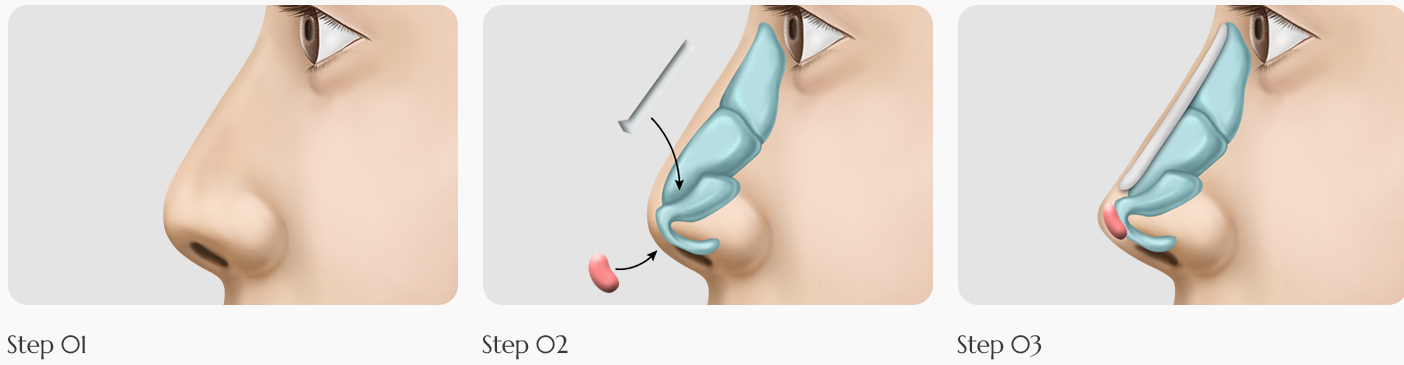
**Low Nose: **The low nose occurs when the bridge between the eyes lacks sufficient projection, creating a flat, less defined facial profile. JNB Clinic addresses this by precisely analyzing individual nasal bridge length, facial depth, and the angle of the nose line — not simply inserting an implant to add height. A custom-designed implant matched to the bridge and tip is placed, with careful attention to how the nasal line reads from the front, side, and three-quarter angles. Patients can expect improved facial dimensionality and a more refined profile. Individual results vary depending on skin thickness, pre-existing structure, and the degree of correction planned.
-
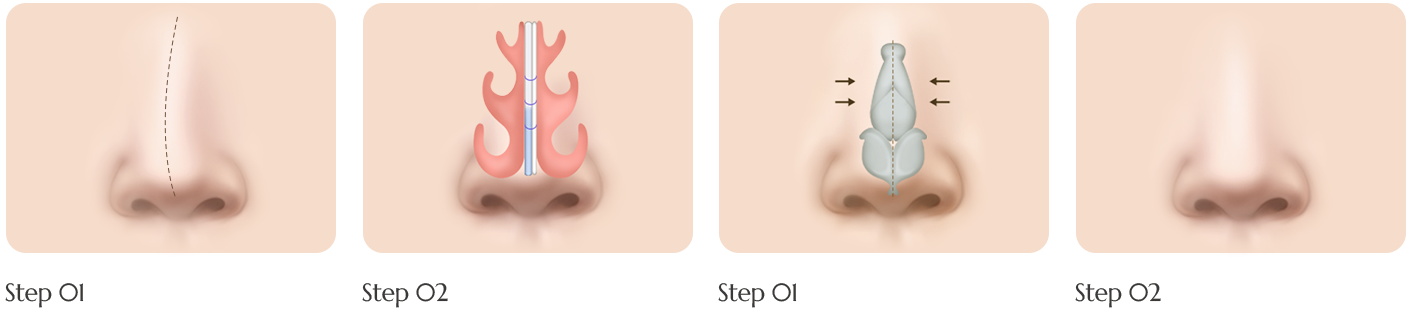
Crooked Nose: A deviated nose — where the dorsum or tip angles to one side — may result from bone asymmetry, cartilage position, or prior trauma. JNB Clinic distinguishes between mild and significant deviation and adapts the technique accordingly. For milder cases, filler material or cartilage graft is placed to straighten the visible line. For more significant structural deviation, osteotomy (controlled fracture and repositioning of the nasal bones) is performed, followed by spreader graft techniques to correct asymmetric lateral cartilages. Patients typically see a straighter nasal profile and improved facial symmetry, with functional airflow considerations addressed simultaneously where relevant.
-
**Hooked Nose: **The hooked or aquiline nose features a prominent bony or cartilaginous hump along the nasal bridge, creating a strong angular impression. JNB Clinic refines the protruding area by filing or resecting the hump, then carefully corrects any relative lowering of the columella that results — ensuring the nose reads as soft and refined rather than simply reduced. The approach considers overall face harmony, not just hump removal in isolation. Results aim for a smooth dorsal line and a softened facial impression, with individual variation depending on existing cartilage structure and skin quality.
-
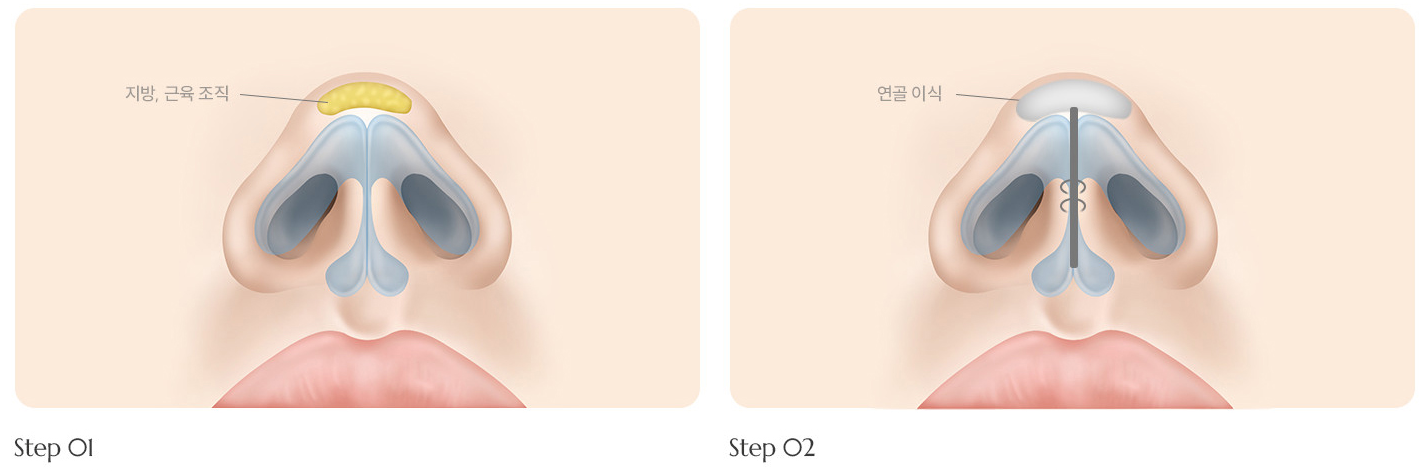
**Bulbous Nose Tip: **A bulbous tip is characterized by a thick, rounded, or wide-spreading nasal tip. The cause may involve widely spread alar cartilage, excess subcutaneous fat, thick overlying skin, or a combination of these factors. JNB Clinic analyzes each contributing element precisely — then removes excess fatty and muscular tissue beneath the skin, refines the alar cartilage, and may add a cartilage graft to create structural definition and projection. The result is a narrower, more sculpted tip. Because skin thickness significantly affects final tip definition, outcomes vary between individuals and will be discussed in detail during consultation.
-
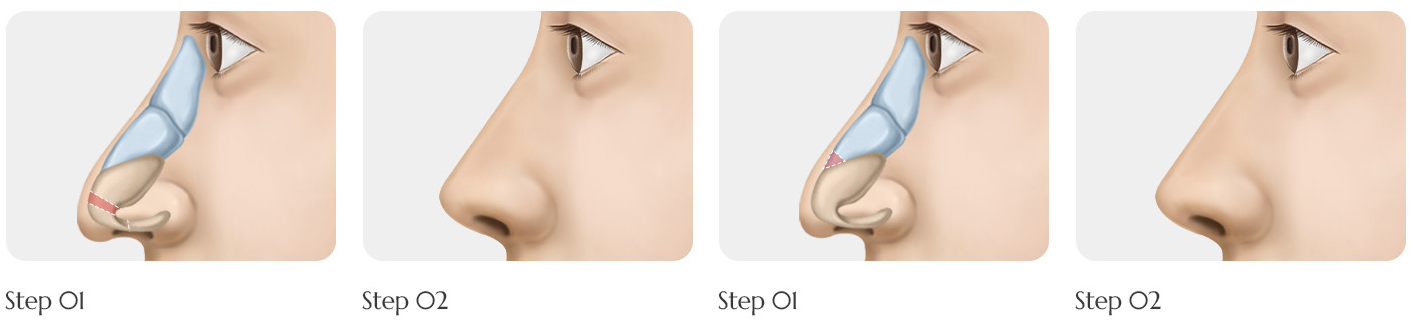
**Long Nose: **A long nose — or one with a drooping tip — is typically caused by over-developed alar cartilage and/or an elongated septal cartilage. JNB Clinic addresses this by resecting the drooping alar cartilages and repositioning them upward to lift the nasal tip, or by removing excess septal cartilage where the septum is the primary driver of length. The goal is to improve the nose-to-face ratio for a younger, more balanced impression — without producing an unnatural shortening effect. Individual anatomy determines the degree of possible correction.
-
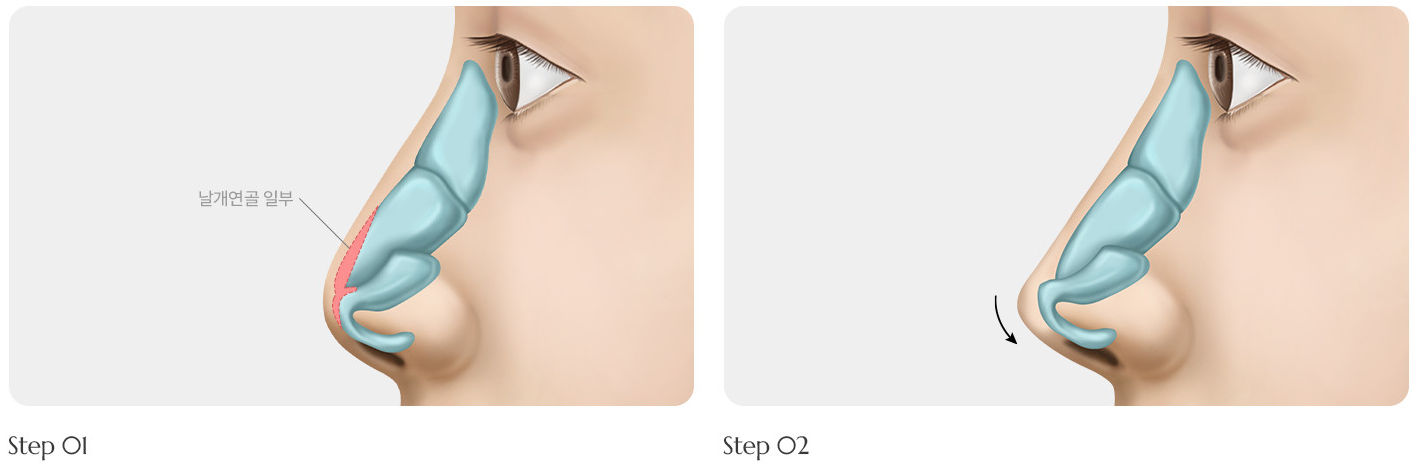
Short / Upturned Nose: The short or piggy nose is one where the nostrils are overly visible from the front and the tip sits too high relative to the face. Correction requires careful analysis of the nasal bones, septal cartilage, and alar cartilage structure. JNB Clinic uses a portion of the alar cartilage, resected and repositioned, to elongate the nose and lower the tip — covering excess nostril exposure and restoring a more proportionate nasal form. This correction requires highly nuanced design, as simple lengthening without accounting for facial ratios can produce an unnatural result. Results are individualized and discussed in full during pre-surgical planning.
Treatment Process and Timeline
Step 1 — In-Depth Consultation
Your journey begins with a detailed consultation with Dr. JuYong Kang. You will discuss your specific nasal concerns, aesthetic goals, breathing function, and medical history. Dr. Kang will assess which nose type or combination of concerns applies to your case and explain the most appropriate surgical approach.
Step 2 — Diagnostic Assessment and Surgical Design
JNB Clinic utilizes high-resolution 3D scanning to analyze facial contour, skin thickness, existing cartilage and bone structure, and facial proportions. This multi-layered data informs a precise surgical design — determining implant selection, cartilage graft requirements, osteotomy planning, and tip refinement strategy specific to your anatomy.
Step 3 — Pre-Surgical Preparation
Pre-operative instructions are provided covering medications, supplements to avoid, fasting requirements, and what to arrange for your recovery period. Any questions about the procedure, anesthesia, or expected recovery are addressed before your surgery date is confirmed.
Step 4 — Surgical Procedure
JNB Clinic employs a closed rhinoplasty approach where appropriate — meaning incisions are placed entirely inside the nostrils, leaving no visible external scarring. Structural modifications — whether implant placement, cartilage grafting, osteotomy, alar resection, or tissue refinement — are performed with precision according to the pre-designed plan. The specific technique varies by nose type and the degree of correction required.
Step 5 — Immediate Post-Surgical Care
Following surgery, protective splinting is applied to support the nasal structure during initial healing. Swelling and bruising in the nasal and periorbital area are expected and typically peak within the first few days before gradually subsiding. Detailed post-operative care instructions are provided, and the JNB Clinic team supports you through the early recovery period.
Step 6 — Follow-Up and Final Results
Most patients can return to light daily activities within one to two weeks, though individual recovery timelines vary. Sutures (where present) are typically removed within the first week. Residual swelling, particularly at the nasal tip, continues to resolve over the following months. Full refinement of results becomes more apparent as healing progresses. Follow-up appointments are scheduled to monitor healing and address any questions during recovery.
Results, Safety, and Longevity
Rhinoplasty results performed with structural cartilage techniques and well-selected implants are intended to be long-lasting. The stability of your result depends on factors including the specific technique used, the materials placed, your healing process, and how your skin and tissues respond over time.
At JNB Clinic, safety is embedded at every stage — from the detailed pre-surgical analysis that identifies the correct approach for your anatomy, to the selection of surgical materials suited to your structure, to the use of cartilage grafts (including autologous cartilage where appropriate) to provide stable, natural-feeling structural support.
Common side effects following rhinoplasty include swelling, bruising, temporary numbness, and mild discomfort — all of which are expected parts of the healing process and typically resolve with time. As with any surgical procedure, risks exist and are discussed in full during consultation, including infection, asymmetry, implant-related concerns, and the possibility of revision in some cases.
Dr. Kang's dual specialization in ENT and Facial Plastic Surgery means that both the aesthetic and functional dimensions of the nose are monitored throughout recovery. Any concerns related to breathing, structure, or healing are addressed with clinical precision.
Why Choose JNB Clinic for Rhinoplasty?

JNB Clinic was built on a philosophy that distinguishes it from clinics focused solely on cosmetic appearance: the belief that a beautiful nose must also breathe well. Dr. JuYong Kang's rare dual expertise — holding active memberships in both the rhinoplasty and ENT surgical communities — means every nasal surgery at JNB Clinic is evaluated for both its aesthetic outcome and its functional integrity.
The clinic's approach is characterized by individualized surgical design rather than standardized templates. Each patient undergoes high-resolution 3D facial analysis before surgery, allowing the team to plan corrections based on actual anatomical data — not generalizations. This level of precision is especially important for complex cases involving multiple nose type concerns or prior surgical history.
JNB Clinic regularly serves international patients seeking Korean rhinoplasty expertise, offering consultation support and care coordination suited to those traveling from abroad.
Key differentiators:
-
Dual ENT and Plastic Surgery expertise — Dr. Kang is qualified and active across both surgical disciplines, with membership in seven professional medical societies
-
High-resolution 3D pre-surgical analysis — Skin thickness, cartilage structure, facial proportion, and existing anatomy are all mapped before planning begins
-
Closed rhinoplasty technique — No external visible scarring; incisions placed entirely within the nostrils where approach permits
-
Full nose-type specialization — Low nose, crooked nose, hooked nose, bulbous tip, long nose, short nose, and asymmetric cases are all treated as distinct clinical challenges with tailored solutions
-
Functional and cosmetic integration — Breathing function is assessed and preserved alongside aesthetic correction
Real Patient Perspectives
Patient A — Low Nose Correction
A woman in her late twenties had always felt that her flat nasal bridge made her face appear undefined, particularly in photographs. After a detailed consultation and 3D analysis at JNB Clinic, a custom-fit implant was designed to add natural depth to her bridge while complementing her tip structure. She described the result as feeling like "the face I always imagined I had." Recovery took approximately two weeks before she felt comfortable returning to social activities.
Patient B — Bulbous Tip Refinement
A man in his early thirties sought improvement of a wide, rounded tip that he felt made his nose appear heavy and undefined. Dr. Kang analyzed the degree of cartilage spread and subcutaneous tissue contributing to the bulbous appearance, then performed targeted tissue reduction combined with structural cartilage repositioning. He noted that the change felt proportionate and natural — not a dramatic transformation, but a refinement that significantly improved his profile.
Patient C — Crooked Nose with Breathing Concern
A woman in her mid-thirties had a visibly deviated nasal bridge accompanied by mild breathing difficulty on one side. Because Dr. Kang's background spans both rhinoplasty and ENT airway reconstruction, her case was planned to address both the aesthetic deviation and the functional component simultaneously. She was particularly relieved that both concerns could be treated in a single surgical session with a specialist who understood the full anatomy involved.
Final Call to Action
Your Nose, Your Face — Precision Rhinoplasty at JNB Clinic
Every nose is different. Every face requires its own balance. At JNB Clinic, Dr. JuYong Kang takes the time to understand your specific nasal structure, your aesthetic goals, and your breathing function — then designs a surgical plan built entirely around you. Whether you are considering your first rhinoplasty or seeking correction of a previous result, you deserve a surgeon whose expertise spans both the art and the anatomy of the nose.
Schedule a consultation with Dr. JuYong Kang today and take the first step toward a nose that looks naturally yours — and breathes beautifully.
[Book Your Consultation — JNB Clinic]
For international patients and general inquiries: Contact JNB Clinic directly through our consultation request form or patient care line.
All surgical outcomes vary by individual. A thorough consultation and medical assessment are required before any procedure. Results shown are not guaranteed.
Other Services
Explore additional treatments offered by our specialists.

Silhouette Lifting
Silhouette Soft is a minimally invasive, absorbable thread lift that repositions sagging facial tissue while simultaneously triggering the skin's natural collagen production.
Learn More

Botox
Botox — short for botulinum toxin — is a refined, medical-grade protein that temporarily reduces the activity of targeted facial muscles.
Learn More

Facial Liposuction
Facial liposuction is a minimally invasive contouring procedure that removes localized fat deposits from specific areas of the face and lower face.
Learn More