Personalized Nasal & Facial Care • Dedicated International Patient Concierge


Rhinoplasty (Nose Reshaping Surgery)
Pre-Rhinoplasty Filler Removal
Pre-rhinoplasty filler removal is the clinical process of dissolving and extracting previously injected filler material from the nose before proceeding with rhinoplasty surgery.
Schedule a Consultation
What is pre-rhinoplasty filler removal?
Pre-rhinoplasty filler removal is the clinical process of dissolving and extracting previously injected filler material from the nose before proceeding with rhinoplasty surgery. It is a preparatory procedure — not cosmetic correction — designed to restore the nasal tissue to its most stable, filler-free baseline condition.
Rhinoplasty is not simply a procedure to augment the nose. It is a precise anatomical reconstruction that repositions cartilage, places implants or autologous grafts, and reshapes subcutaneous tissue across multiple structural layers. When residual filler remains within the nose at the time of surgery, it interferes directly with surgical accuracy. The filler material distorts the soft tissue layers, alters the palpable feel of the cartilage beneath the skin, and can cause irregular implant or graft placement. In cases where non-dissolving filler types are present — such as calcium-based or high-molecular-weight silicone fillers — the surgical risks escalate further, including inflammation, asymmetry, and skin compromise.
At JNB Clinic, filler dissolution before rhinoplasty is understood as the process of making the nasal internal environment as close to its original, pre-filler anatomy as possible. After removal, the tension balance among cartilage, skin, and subcutaneous tissue is re-established, allowing implants or autologous cartilage to be placed in their most precise, intended position.
Why must filler be removed before rhinoplasty?
Many patients who previously received nose filler injections assume that rhinoplasty can be performed directly over the existing filler, or that the surgeon will simply work around it. In practice, leaving filler in place during rhinoplasty creates multiple categories of clinical risk that affect both the safety of the procedure and the quality of the outcome.
Residual filler that was never fully removed
Filler injected at another clinic or hospital may not have been fully dissolved even if removal was attempted. Filler material can spread beyond the original injection site — into deeper fascial planes or the undersurface of the nasal skin — making complete removal difficult without a systematic approach. For example, filler that has migrated into tissue adjacent to the nasal tip cartilage or into periosteal layers may persist even after surface-level dissolution.
Filler types that do not dissolve naturally
Certain high-molecular-weight filler formulations — including calcium hydroxylapatite and some silicone-based injectable fillers — do not break down naturally in the body over time. These materials have a longer persistence profile and, critically, they cannot be dissolved by standard hyaluronidase enzyme injection. They must be identified and addressed using specific, filler-type-appropriate protocols before rhinoplasty proceeds. If these materials remain at the time of surgery, they can distort cartilage graft placement, cause implant malposition, and increase post-operative inflammation risk significantly.
Skin thinning and inflammation
Filler that remains beneath nasal skin over an extended period can cause progressive thinning of the overlying dermis. As the skin thins, the risk of implant or graft visibility increases, and the vascular supply to the skin may be compromised. Additionally, even biocompatible fillers that are in the process of natural degradation can trigger a low-grade inflammatory response. If this inflammation is present at the time of rhinoplasty, it creates a less predictable healing environment and increases the risk of post-operative complications.
Implant and graft precision
Rhinoplasty that involves insertion of a silicone implant or autologous cartilage graft requires that the receiving tissue pocket is clean, clearly defined, and free of foreign material. When filler occupies the same anatomical space, precise implant or graft design becomes significantly more difficult. The surgeon cannot accurately assess the true nasal skin thickness, cartilage projection, or subcutaneous tissue volume — all of which are essential reference points for surgical planning.
Who should consider pre-rhinoplasty filler removal?
This procedure is recommended for anyone planning rhinoplasty who has a history of nasal filler injection. Specific indicators include:
-
Patients who have received nose filler at any point and are now planning rhinoplasty with a silicone implant or cartilage graft
-
Those who can feel a firm, lumpy, or uneven texture along the nasal bridge or tip following previous filler injection
-
Patients whose skin has visibly thinned or changed color in the nasal area after filler
-
Anyone whose prior filler removal attempt was incomplete or performed without systematic, filler-type-specific protocols
-
Patients seeking implant or autologous cartilage rhinoplasty who want to maximize surgical accuracy and implant stability
-
Those who wish to proactively reduce the risk of post-operative inflammation or asymmetry related to residual filler material
-
Patients who received calcium-based, poly-L-lactic acid, or silicone injectable fillers, which do not dissolve on their own
-
International patients who received filler injections abroad and are uncertain whether the product used was fully biocompatible or accurately documented
Meet the specialist: Dr. JuYong Kang

Dr. JuYong Kang
Representative Director & Chief Physician
JNB Clinic Plastic Surgery & Otolaryngology (ENT)
Dr. JuYong Kang Representative Director & Chief Physician, JNB Clinic Specialist in Plastic Surgery and Otolaryngology (ENT)
Dr. JuYong Kang holds dual specialist qualifications in both plastic surgery and otolaryngology — a combination that is relatively rare and clinically significant in the context of rhinoplasty. His ENT background means he understands the nose not only as an aesthetic structure, but as a functional organ. His approach to rhinoplasty — and to preparatory procedures such as filler dissolution — is grounded in respiratory anatomy, nasal airway function, and the structural mechanics of the nose as a biological system.
Dr. Kang graduated from Kyung Hee University School of Medicine and completed his graduate training at Kyung Hee University Graduate School of Medicine. He has previously served as Director of Byeol Plastic Surgery Clinic and Director of Samsung Dream Otolaryngology Clinic. He currently serves as Representative Director and Chief Physician at JNB Clinic.
His clinical memberships reflect the breadth of his specialist practice:
-
Full Member — Korean Society of Otorhinolaryngology-Head and Neck Surgery
-
Full Member — Korean Rhinologic Society
-
Full Member — Korean Society of Facial Plastic and Reconstructive Surgery
-
Full Member — Korean Society for Stem Cell Therapy
-
Full Member — Korean Sleep Research Society
-
Full Member — Rhinoplasty Research Society, Korean Society of Plastic and Reconstructive Surgeons
-
Full Member — Anti-Aging Plastic Surgery Research Society
Dr. Kang's clinical philosophy guides every stage of treatment at JNB Clinic: "Beautiful, comfortable breathing is where it all begins. The harmony between natural breathing and the face is more important than anything else."
At JNB Clinic, this philosophy extends directly to pre-rhinoplasty filler dissolution — the process of restoring the nose to its most natural, structurally sound baseline before surgical reconstruction begins.
Filler types and removal difficulty

Not all nasal fillers are the same. Each type has different composition, viscosity, depth of injection, and resistance to dissolution. JNB Clinic applies a filler-type-specific protocol for every patient, adjusting enzyme concentration, injection depth, laser output level, and drainage approach based on the exact material being removed.
-
**Hyaluronic acid filler — Moderate removal difficulty: **Hyaluronic acid (HA) is a polysaccharide found naturally in the body and is the most commonly used injectable filler type. It holds significant water content, giving it a soft, volumizing quality in tissue. HA fillers can be dissolved using hyaluronidase — an enzyme that breaks the molecular bonds within the hyaluronic acid chain, causing the filler to liquefy and be reabsorbed by the body. The process is generally manageable, though results depend on the specific product, depth of injection, and time elapsed since injection. Some HA fillers injected deeply into periosteal or cartilage-adjacent layers may require more precise enzyme placement and, in some cases, multiple sessions.
-
**Poly-L-lactic acid filler — High removal difficulty: **Poly-L-lactic acid (PLLA) fillers work by stimulating collagen production in the dermis rather than directly volumizing tissue. Their effects develop gradually and last longer than standard HA fillers. Because PLLA does not have a direct enzymatic antidote equivalent to hyaluronidase, removal requires a more targeted approach. At JNB Clinic, PLLA filler removal protocols are adapted to the specific distribution of material and the degree of collagen stimulation present in the nasal tissue.
-
**Calcium hydroxylapatite filler — Very high removal difficulty: **Calcium-based fillers have a longer durability profile than HA or PLLA options, and their crystalline composition means they do not dissolve naturally in the body over typical timeframes. They cannot be reversed by hyaluronidase. This makes calcium filler one of the most clinically challenging materials to remove prior to rhinoplasty. If a patient has calcium filler remaining in the nose, complete removal is essential before any implant or cartilage graft work is performed — residual calcium can interfere directly with implant positioning and increase the risk of inflammation, skin thinning, and irregular contour post-operatively.
Treatment process and timeline

JNB Clinic's pre-rhinoplasty filler dissolution follows a structured four-stage process, overseen directly by Dr. JuYong Kang at every step.
Step 1 — Precision consultation and diagnosis
The process begins with a thorough clinical consultation. Dr. Kang assesses the type of filler previously injected (based on patient records and physical examination), the depth and distribution of the filler material within nasal tissue, the current condition of nasal skin and subcutaneous layers, and the planned rhinoplasty design. This diagnostic stage determines which dissolution protocol will be applied and whether a single session will be sufficient or whether staged removal is appropriate.
Step 2 — Selective filler dissolution
Based on the filler type confirmed at consultation, the appropriate enzymatic agent, concentration, and injection technique are selected. For hyaluronic acid fillers, pharmaceutical-grade hyaluronidase is administered at precise depths using fine-gauge cannulas — targeting only the filler material while preserving surrounding healthy tissue. For more resistant filler types, the dissolution protocol is adjusted accordingly. Laser assistance at low output levels may be used in combination with enzymatic injection to support more thorough and controlled dissolution.
Step 3 — Non-incision removal and drainage
JNB Clinic performs filler removal entirely without incisions. Instead of cutting the skin, dissolved filler material is guided out through minimally invasive drainage assisted by fine cannulas. This approach significantly reduces tissue trauma, bleeding, bruising, and pain during recovery. Normal skin tissue is preserved throughout, and healthy subcutaneous structures are not disrupted by the removal process.
Step 4 — Stabilization and pre-surgical environment preparation
Following dissolution and drainage, the nasal tissue is given time to stabilize. The goal of this final stage is to allow the cartilage, skin, subcutaneous tissue, and periosteal layer to return to their resting, filler-free state — with tension balance restored across all nasal structures. This creates the cleanest possible environment for rhinoplasty, allowing Dr. Kang to place implants or cartilage grafts with the highest degree of anatomical accuracy.
Procedure duration: Within 10 minutes Anesthesia: Local anesthesia or topical anesthesia Recovery: Swelling and bruising are minimal; return to daily activity is generally possible within 1–2 days
Results, safety, and what to expect
The primary goal of pre-rhinoplasty filler dissolution is not visible cosmetic improvement in the short term — it is the restoration of a safe, stable nasal foundation for surgery. Patients should not expect dramatic aesthetic changes immediately following dissolution; rather, the clinical outcome is measured by the successful preparation of nasal tissue for the rhinoplasty procedure that follows.
In terms of tissue response, most patients experience minimal discomfort during the procedure under local or topical anesthesia. Because JNB Clinic performs dissolution without incisions, the typical recovery experience involves mild swelling that subsides within one to two days, with very low rates of significant bruising or pain. The non-incision approach also means there are no wounds requiring suture care or extended dressing management.
The safety profile of enzymatic filler dissolution at JNB Clinic is supported by the use of pharmaceutical-grade agents, filler-type-specific protocols, and Dr. Kang's dual specialist background in both plastic surgery and ENT. As with any injectable procedure, there is a small possibility of localized swelling, temporary redness, or sensitivity at the injection site. These responses are generally self-limiting and resolve within a few days.
Patients should be aware that in cases of deeply migrated filler or highly resistant material types, complete dissolution may require more than one session. This is assessed and communicated transparently at consultation. No claim of absolute or guaranteed filler removal can be made without prior clinical evaluation.
It is also important that patients allow adequate recovery time between filler dissolution and rhinoplasty scheduling. The nasal tissue requires time to fully stabilize following dissolution before surgical reconstruction proceeds. The appropriate interval will be determined by Dr. Kang based on the individual patient's tissue response and readiness.
Why choose JNB Clinic for pre-rhinoplasty filler removal?
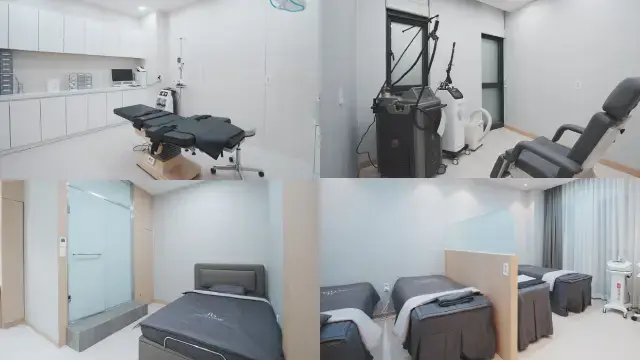
Filler dissolution before rhinoplasty is a procedure that requires far more than a routine injection appointment. It demands precise identification of filler type and distribution, a tailored dissolution protocol matched to the specific material present, and a physician who understands how the dissolved tissue will interact with the rhinoplasty procedure that follows. JNB Clinic is structured specifically to provide this level of preparatory care under the direct supervision of a dual-specialist physician.
Dr. JuYong Kang's qualifications in both otolaryngology and plastic surgery mean that he approaches nasal anatomy from two distinct clinical perspectives simultaneously. His ENT training informs his understanding of nasal airway function, structural integrity, and tissue behavior — knowledge that is directly applied during filler dissolution to ensure that healthy nasal structures are fully protected throughout the removal process. His plastic surgery background informs the aesthetic and reconstructive dimension of surgical planning, ensuring that filler removal is performed with the final rhinoplasty outcome always in view.
JNB Clinic applies a non-incision approach to all filler dissolution procedures — a deliberate clinical choice that minimizes tissue trauma, reduces recovery time, and preserves the integrity of nasal skin and subcutaneous structures that will be worked with during surgery. Dissolution is performed using fine-gauge cannulas and, where appropriate, low-output laser assistance, with enzyme concentration and injection depth calibrated to the specific filler type being removed.
Key reasons patients choose JNB Clinic for pre-rhinoplasty filler removal:
-
Dual-specialist physician: Dr. JuYong Kang holds specialist qualifications in both plastic surgery and otolaryngology — directly relevant to safe nasal filler dissolution and surgical preparation
-
No-incision protocol: All filler dissolution performed without skin cutting, preserving tissue integrity and supporting faster recovery
-
Filler-type-specific approach: Separate dissolution protocols for hyaluronic acid, poly-L-lactic acid, and calcium-based fillers — not a one-size-fits-all injection
-
Surgical continuity: Pre-operative filler removal and rhinoplasty planning managed by the same specialist physician, ensuring coherent preparation from dissolution through surgery
-
International patient experience: JNB Clinic routinely provides consultation and treatment planning for patients traveling from outside Korea, with clear procedural documentation and structured follow-up communication
Patient experiences
Patient A — Preparing for implant rhinoplasty after multiple HA filler sessions
A patient in her late twenties had received hyaluronic acid nose filler on three separate occasions over four years at different clinics. When she consulted Dr. Kang in preparation for rhinoplasty, physical examination revealed residual filler material distributed across the nasal bridge and tip, with some migration into deeper tissue planes. A two-session dissolution protocol was planned using pharmaceutical-grade hyaluronidase at adjusted depths. Following complete dissolution and a stabilization period, rhinoplasty proceeded with clear anatomical landmarks and no interference from residual material.
Patient B — Calcium filler removal before structural nasal reconstruction
A patient in his mid-thirties had received calcium hydroxylapatite filler approximately two years prior and was planning closed rhinoplasty with autologous cartilage. Because calcium filler cannot be dissolved by standard hyaluronidase, Dr. Kang applied a targeted removal protocol appropriate for non-HA filler types. The patient experienced mild swelling resolving within two days and was cleared for rhinoplasty scheduling following tissue stabilization.
Patient C — Pre-surgical filler clearance for international patient
An international patient had received nose filler at a clinic in her home country approximately eighteen months prior. She consulted JNB Clinic remotely before traveling, sharing documentation of the filler product used. Dr. Kang reviewed the product profile in advance, planned a dissolution protocol prior to arrival, and completed filler removal during the patient's preparatory visit. Rhinoplasty was scheduled for a subsequent visit following confirmed tissue stabilization.
Begin your rhinoplasty preparation at JNB Clinic
If you have a history of nasal filler injection and are planning rhinoplasty, the first step toward a safe, accurate surgical outcome is complete filler dissolution — performed by a specialist who understands both the removal process and what comes after it.
Schedule your pre-rhinoplasty filler removal consultation with Dr. JuYong Kang today.
At JNB Clinic, every pre-rhinoplasty consultation includes a full assessment of your nasal filler history, a filler-type-specific dissolution protocol, a clear timeline for stabilization, and integrated planning for the rhinoplasty procedure that follows. Our non-incision approach means minimal disruption to your daily schedule, with most patients returning to normal activities within one to two days of the procedure.
We welcome patients consulting from within Korea and internationally. Consultation is available in English. If you are planning rhinoplasty and are unsure whether your previous filler has been fully removed — or whether removal is necessary in your case — contact us to arrange a clinical assessment before your surgery date is confirmed.
Contact JNB Clinic to book your consultation →
For international patients: remote pre-consultation is available prior to travel. Please contact us to arrange documentation review and preliminary assessment.
Other Services
Explore additional treatments offered by our specialists.

Silhouette Lifting
Silhouette Soft is a minimally invasive, absorbable thread lift that repositions sagging facial tissue while simultaneously triggering the skin's natural collagen production.
Learn More

Botox
Botox — short for botulinum toxin — is a refined, medical-grade protein that temporarily reduces the activity of targeted facial muscles.
Learn More

Facial Liposuction
Facial liposuction is a minimally invasive contouring procedure that removes localized fat deposits from specific areas of the face and lower face.
Learn More