Personalized Nasal & Facial Care • Dedicated International Patient Concierge


Rhinoplasty (Nose Reshaping Surgery)
Nose Tip Reshaping
The nasal tip is the single most defining feature of the nose's overall silhouette.
Schedule a Consultation
What is Nose Tip Reshaping in Rhinoplasty?
The nasal tip is the single most defining feature of the nose's overall silhouette. Even when the nasal bridge is well-proportioned, a bulbous, drooping, over-rotated, or asymmetric tip can undermine the harmony of the entire face. Nose tip reshaping — also known as tip rhinoplasty or tip plasty — is a surgical procedure that precisely modifies the shape, projection, rotation, and definition of the nasal tip to create a more refined, naturally balanced appearance.
At JNB Clinic, tip reshaping is performed using a closed (endonasal) technique whenever possible. All incisions are placed inside the nostrils, leaving no visible external scars. Rather than relying on synthetic implants, Dr. Kang prioritizes autologous cartilage — harvested from the nasal septum, ear, or rib — to reshape and support the tip structure. This approach is grounded in a philosophy of functional beauty: a tip that not only looks refined but also supports comfortable, unobstructed breathing.
The procedure works by precisely adjusting the lower lateral (alar) cartilages — the paired cartilaginous structures that form the tip's shape. Techniques may include cartilage trimming, suturing, grafting, and structural reinforcement depending on the specific concern. Each surgical plan is designed after detailed 3D-CT analysis of the patient's facial proportions, cartilage thickness, skin type, and nasal anatomy.
Who Needs Nose Tip Reshaping?
Nose tip surgery may be appropriate for individuals who experience one or more of the following:
-
Bulbous or wide nasal tip — The alar cartilages are spread apart or covered by thick subcutaneous tissue, making the nose appear round and flat. The nose dominates the face rather than harmonizing with it.
-
Low tip projection — The tip lacks forward definition; the nose appears flat or sunken relative to the bridge height, reducing facial three-dimensionality.
-
Drooping or ptotic tip — The tip points downward, particularly when smiling or speaking, creating a heavier, aged impression.
-
Over-rotated (upturned) tip — Excessive upward rotation exposes the nostrils excessively from the front view. This is common in certain ethnic nose types and following previous rhinoplasty.
-
Asymmetric nasal tip — One side of the tip sits higher, wider, or more projected than the other, often due to cartilage asymmetry or prior surgical changes.
-
Post-rhinoplasty tip dissatisfaction — Patients who have undergone previous nose surgery and are unhappy with tip shape, stiffness, or an unnatural appearance.
-
Nose tip that widens significantly when smiling — Dynamic tip widening due to depressor septi activity or alar flaring during facial expression.
-
Patients seeking nose tip surgery without an implant — Those who prefer autologous cartilage to minimize foreign-body risk and achieve a softer, more natural result.
Meet the Specialist: Dr. JuYong Kang
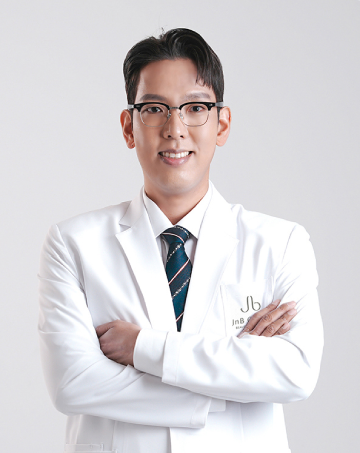
Dr. JuYong Kang
Representative Director & Chief Physician
JNB Clinic Plastic Surgery & Otolaryngology (ENT)
Dr. JuYong Kang, MD Representative Director & Chief Physician — JNB Clinic Specialist in Otolaryngology (ENT), Rhinoplasty, Facial Plastic & Reconstructive Surgery
Dr. JuYong Kang holds dual clinical expertise in otolaryngology and facial plastic surgery — a combination that directly benefits every nose tip rhinoplasty patient. His ENT foundation means he evaluates the nasal airway alongside aesthetics, ensuring the tip is restructured in a way that supports, rather than compromises, breathing function.
Dr. Kang completed his medical education at Kyung Hee University School of Medicine and Kyung Hee University Graduate School of Medicine. He previously served as Director at Byeol Plastic Surgery Clinic and Samsung Dream Otolaryngology Clinic before founding JNB Clinic as its current Representative Director.
He holds full membership in six leading professional societies, including:
-
Korean Society of Otorhinolaryngology – Head and Neck Surgery
-
Korean Rhinologic Society
-
Korean Society of Facial Plastic and Reconstructive Surgery
-
Rhinoplasty Research Society, Korean Society of Plastic and Reconstructive Surgeons
-
Korean Society for Stem Cell Therapy
-
Korean Sleep Research Society
Dr. Kang's clinical philosophy is clear: "Beautiful, comfortable breathing is where it all begins. The harmony between natural breathing and the face is more important than anything else." Every nose tip surgery at JNB Clinic reflects this principle — function and beauty are not competing goals, they are inseparable.
Treatment Areas and Expected Improvements
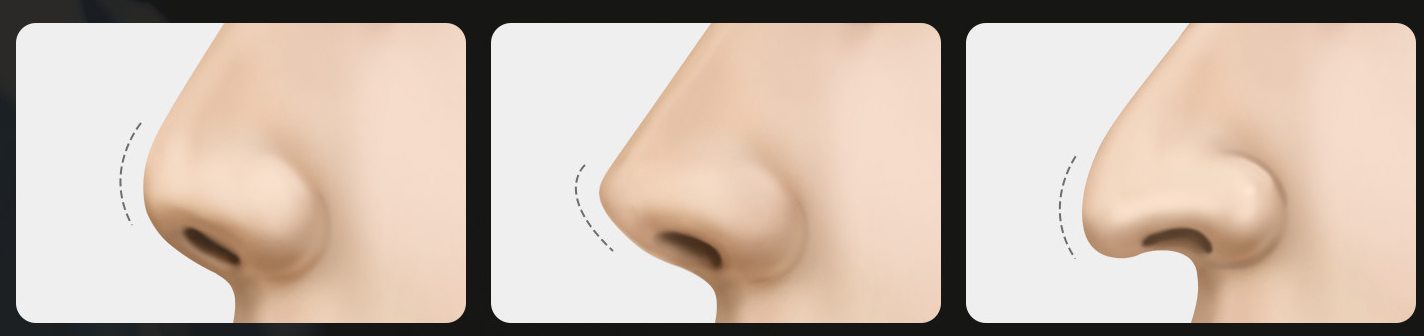
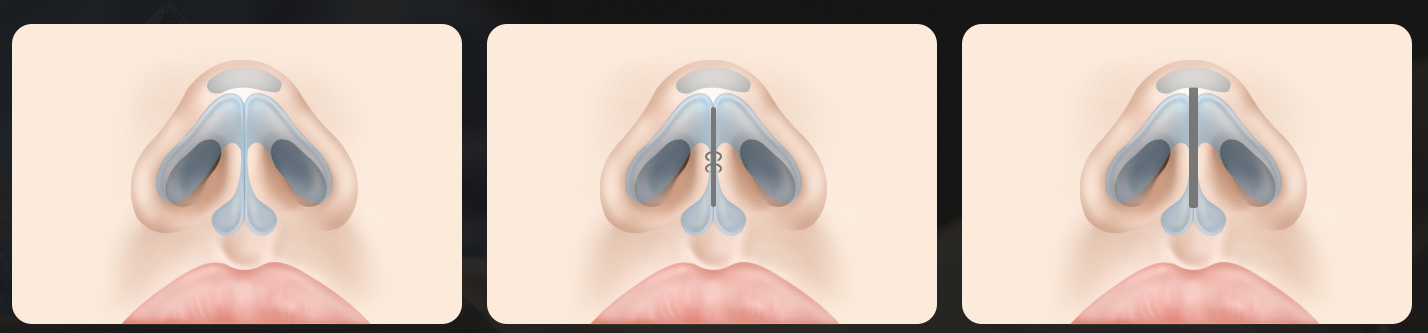
Nose tip reshaping at JNB Clinic addresses the following anatomical targets and functional concerns:
-
Bulbous or thick-skinned nasal tip: The lower lateral cartilages are repositioned, sutured, and refined to consolidate the tip into a more defined, narrower projection. Excess subcutaneous fibro-fatty tissue overlying the tip cartilages may also be carefully reduced. Patients can expect a visibly slimmer, more refined tip that still appears natural and soft — not pinched or over-sculpted. Results depend on skin thickness; thicker skin envelopes require longer settling time.
-
Drooping nasal tip (ptotic tip): The tip is elevated through columellar strut grafting, tip suturing techniques, and if indicated, adjustment of the depressor septi nasi muscle. The nasal tip rotation axis is re-established to create a more youthful, uplifted profile angle. The degree of elevation achievable varies based on existing skin elasticity and cartilage strength; individual outcomes will be discussed in consultation.
-
Over-rotated (upturned) tip: Extension grafts using autologous septal or ear cartilage are used to lengthen and project the tip downward. This reduces excessive nostril visibility from the front while creating a more elongated, elegant nasal profile. Correction depends on the degree of existing rotation and available cartilage donor material.
-
Flat or poorly projected tip: Tip projection is improved using columellar strut grafts and tip onlay grafts constructed from autologous cartilage. This builds a structural foundation that projects the tip forward cleanly without the rigidity or long-term risks associated with silicone implants. Patients can expect improved three-dimensional nasal definition and enhanced facial harmony.
-
Asymmetric nasal tip: Asymmetry is addressed through differential suturing and selective cartilage trimming or grafting to rebalance the alar cartilage positions. Achieving perfect symmetry is an aim, not a guarantee, as the healing process and pre-existing tissue asymmetries influence the final outcome. Significant improvement is typically achievable.
All patients are advised that final results require a settling period of several weeks to months as post-surgical edema resolves, particularly in patients with thicker nasal skin.
Treatment Process and Timeline
Step 1 — Personal Consultation
A detailed in-person consultation with Dr. JuYong Kang. Medical history, previous surgeries, breathing concerns, and aesthetic goals are fully discussed. The nasal anatomy is assessed both visually and structurally.
Step 2 — 3D-CT Diagnostic Analysis
JNB Clinic conducts 3D-CT imaging analysis to assess facial proportions, cartilage thickness and morphology, skin type, and internal nasal structure. This imaging data forms the clinical basis for the surgical design — not a template, but a truly 1:1 individualized plan.
Step 3 — Surgical Design & Preparation
A personalized surgical plan is presented, outlining which cartilage reshaping techniques will be used, the expected incision approach, donor cartilage source (septal, ear, or costal), and anticipated outcomes. Pre-operative instructions are given, including medication restrictions and fasting guidelines.
Step 4 — Procedure
Surgery is performed under local anesthesia with sedation, or general anesthesia depending on complexity. Tip rhinoplasty typically takes approximately 1 to 2 hours. Using the closed (endonasal) technique, all incisions are placed inside the nostrils. Cartilage is reshaped, repositioned, and/or augmented as planned. No external incisions are made in standard tip cases.
Step 5 — Immediate Aftercare
Hospitalization is not required; same-day discharge is standard. A nasal splint may be applied to support the new tip architecture. Mild swelling and bruising in the perinasal area are expected.
Step 6 — Recovery & Follow-Up
-
Suture removal: approximately 5 to 7 days post-surgery
-
Follow-up visits: 1 to 2 post-operative appointments
-
Major swelling subsides: within 1 to 2 weeks
-
Return to daily activities: generally possible within 2 to 3 days
-
Residual swelling: continues to diminish over 3 to 4 weeks; complete refinement may take longer in thicker-skinned patients
Results, Safety, and Longevity
JNB Clinic's autologous cartilage-first approach means the tip is reshaped using the patient's own biological tissue. Once integrated, autologous cartilage grafts are maintained by the body as living tissue — providing long-term structural stability without the concerns associated with synthetic materials. The stability of tip results is semi-permanent in nature, with the caveat that natural aging processes continue over time.
Safety approach at JNB Clinic centers on four documented principles:
-
1:1 personalized design — 3D-CT analysis prevents generic outcomes and reduces the risk of over-correction
-
Scar minimization — The closed technique, with incisions concealed inside the nostril, eliminates visible external scarring and reduces healing burden
-
Nostril shape preservation — Careful cartilage management avoids the distortion of nostril morphology that can follow poorly planned tip surgery
-
Recurrence prevention — Adequate structural reinforcement using properly sourced autologous cartilage reduces the likelihood of tip ptosis recurrence
Common side effects following tip rhinoplasty include temporary swelling, bruising, mild tenderness, and transient numbness at the tip. These typically resolve within the expected recovery window. As with all surgical procedures, risks including infection, asymmetry, under- or over-correction, and the need for revision surgery exist, and these are discussed transparently during consultation.
Patients with a history of bleeding disorders, active skin infection, or unrealistic expectations about outcome variability may not be suitable candidates. Dr. Kang will assess candidacy individually during consultation.
Why Choose JNB Clinic for Nose Tip Reshaping?
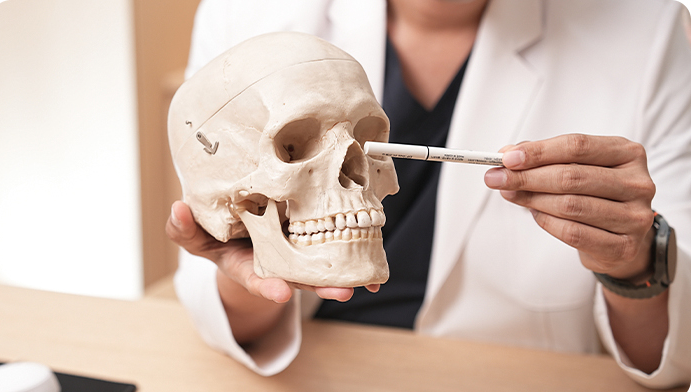
JNB Clinic was founded on the principle that "beauty begins with breathing" — a distinction that sets it apart in the rhinoplasty field. Dr. JuYong Kang's dual board certification in both ENT medicine and facial plastic surgery means that tip rhinoplasty at JNB is not approached as a purely cosmetic exercise. Every surgical plan considers both the nasal airway and the aesthetic outcome simultaneously — a standard that many cosmetic-only practices are not positioned to deliver.
The clinic's Total Beauty Approach takes into account the full facial balance: proportions between the eyes, lips, chin, and nose are all considered when designing the new tip architecture. The goal is never a beautiful nose in isolation, but a face that reads as naturally harmonious. This requires the kind of anatomical depth and aesthetic sensitivity that comes from years of specialized clinical experience in both functional and cosmetic rhinoplasty.
JNB Clinic's Post-Care System (Olcare System) extends the standard of care beyond surgery. After the procedure, patients are supported through a structured skin and recovery program designed to optimize healing and minimize prolonged swelling — contributing to clearer, faster visibility of the surgical result.
Key differentiators:
-
Dual ENT and facial plastic surgery expertise — functional and cosmetic outcomes considered together
-
Closed technique preferred — no visible external scarring in standard tip cases
-
Autologous cartilage-first philosophy — natural feel, long-term stability, no synthetic implant risk
-
3D-CT-based, 1:1 individualized surgical design — not templated or generic
-
Structured Post-Care (Olcare) Program — dedicated skin and recovery support after surgery
-
International patient experience — multilingual consultation support available
Patient Experiences
Case 1 — Bulbous Tip with Thick Nasal Skin
A patient in her late twenties had long been self-conscious about a rounded, undefined nasal tip that appeared wide compared to her narrow nasal bridge. Following a 3D-CT assessment, Dr. Kang performed closed tip plasty using alar cartilage suturing and a small columellar strut graft. By three weeks post-surgery, noticeable swelling had reduced significantly, revealing a more defined, natural-looking tip that aligned with the bridge without appearing pinched.
Case 2 — Drooping Tip with Smile Animation
A male patient in his mid-thirties noted that his nasal tip drooped further downward when he smiled, making his nose appear long and heavy in photographs. Dr. Kang performed tip rotation correction with a columellar strut graft and addressed the depressor muscle component contributing to tip descent. Within two weeks, the patient returned to regular work activity. At the one-month review, the profile showed a more lifted, youthful tip line — natural in repose and during expression.
Case 3 — Post-Rhinoplasty Tip Dissatisfaction
A patient who had undergone tip rhinoplasty elsewhere presented with a stiff, over-projected tip that felt unnatural and had lost volume asymmetrically over time. Using ear cartilage to rebuild and rebalance the tip support structure, Dr. Kang refined the projection and restored symmetry. The patient noted that the nose felt softer and more natural compared to the previous result, with no external scarring from the revision procedure.
Final Call to Action
Ready to Reshape Your Nasal Tip with a Specialist You Can Trust?
At JNB Clinic, nose tip reshaping is performed by Dr. JuYong Kang — a dual-certified ENT physician and facial plastic surgeon with deep expertise in closed, structural rhinoplasty. Using 3D-CT analysis, autologous cartilage techniques, and a Total Beauty philosophy that balances your entire face, every tip surgery is designed specifically around your anatomy and your goals — not a generic template.
Whether you are concerned about a bulbous tip, a drooping or upturned nose tip, poor projection, asymmetry, or unsatisfying results from a previous procedure, JNB Clinic offers a thorough consultation where your anatomy is assessed in full and your options are explained honestly.
Schedule Your Personal Consultation with Dr. JuYong Kang →
Prefer to reach out first? Contact JNB Clinic directly to ask questions, request a remote pre-consultation, or arrange your appointment. Our team is experienced in supporting international patients through every stage of the process.
Results vary by individual anatomy, skin type, and healing response. All outcomes discussed during your personal consultation with Dr. Kang.
Other Services
Explore additional treatments offered by our specialists.

Silhouette Lifting
Silhouette Soft is a minimally invasive, absorbable thread lift that repositions sagging facial tissue while simultaneously triggering the skin's natural collagen production.
Learn More

Botox
Botox — short for botulinum toxin — is a refined, medical-grade protein that temporarily reduces the activity of targeted facial muscles.
Learn More

Facial Liposuction
Facial liposuction is a minimally invasive contouring procedure that removes localized fat deposits from specific areas of the face and lower face.
Learn More