Personalized Nasal & Facial Care • Dedicated International Patient Concierge

Medical Guide
Autologous Cartilage Rhinoplasty Cost at JNB Clinic
Autologous cartilage rhinoplasty cost in Korea depends on technique, graft source, and aftercare. See what shapes the final price at JNB Clinic in Seoul.
Schedule a ConsultationHow Much Does Autologous Cartilage Rhinoplasty Cost at JNB Clinic?
Medically reviewed by Dr. Kang Ju-Yong, M.D., Board-Certified Otolaryngology (ENT) Specialist & Chief Director, JNB Clinic · Last updated July 2026
If you are researching rhinoplasty cost in Korea, one of the first things you will notice is that the autologous rhinoplasty price is rarely a single, fixed number. It is shaped by the technique your anatomy calls for, the source of the cartilage used, the anesthesia and operating setup, and the aftercare that follows. At JNB Clinic in Gangnam, Seoul, autologous cartilage rhinoplasty is performed using your own tissue rather than synthetic implants, and the final fee is confirmed only after an in-person or online consultation. This article explains the factors that determine what you would pay, so you can ask better questions and compare quotes with confidence.
Why There Is No Single Price Tag
It is tempting to want a headline figure, but a responsible answer starts with why one does not exist. Rhinoplasty is highly individualized. The American Society of Plastic Surgeons (ASPS) notes that rhinoplasty cost can vary widely and depends on the surgeon's experience, the type of procedure used, and the geographic location of the practice. Mayo Clinic makes a similar point, explaining that the cost depends on the complexity of the surgery, the surgeon's training and experience, and geography.
JNB Clinic does not publish a flat price for autologous cartilage rhinoplasty. Because each nose is different, the clinic determines the plan, and therefore the fee, after evaluating your nasal structure, breathing, skin, and goals. That means any number you see quoted online for "rhinoplasty in Korea" is a general market range from third parties, not a quote from JNB Clinic. The only accurate figure for your case comes from a consultation. If you would like to begin that process, you can reach the clinic through its consultation and contact page.
What "Autologous Cartilage Rhinoplasty" Means at JNB Clinic
Autologous simply means "from your own body." Instead of silicone or Gore-Tex, JNB Clinic reshapes and supports the nose entirely with the patient's own cartilage, an implant-free philosophy the clinic summarizes as "Beauty that Breathes." The approach is designed to reduce risks associated with artificial implants, such as capsule contracture, chronic inflammation, and implant displacement, while preserving or improving nasal function.
Dr. Kang Ju-Yong, the clinic's Chief Director, is a board-certified otolaryngology (ENT) specialist and rhinoplasty surgeon with over 13 years of experience focused on functional and aesthetic nasal surgery. He developed three signature, in-house techniques, and which one applies to you is a major driver of cost:
- KE-Co (Keep Enchanting Nose) — Ear Cartilage Rhinoplasty. A closed (endonasal) technique that uses your own ear cartilage to refine and support the nasal tip with no visible external scars. It is generally the more limited, tip-focused refinement of the three.
- Krib-Co — Rib Cartilage Rhinoplasty. A more extensive, full structural reconstruction that uses your own rib cartilage. It is suited to complex cases, revision surgery, or noses that need stronger structural support when septal cartilage is insufficient.
- KB-Co — Septal & Ear Cartilage Hybrid Rhinoplasty. A closed approach that combines septal cartilage for support with ear cartilage for soft tip refinement, again with no external incisions.
Because these techniques differ in scope, cartilage source, and operating requirements, they naturally differ in what they involve, and that is where cost begins to take shape.
The Factors That Shape the Cost
1. Technique and complexity
The single largest variable is how much work your nose needs. A focused tip refinement using ear cartilage (KE-Co) is a more contained procedure than a full framework rebuild using rib cartilage (Krib-Co). More complex reconstruction typically means longer operating time, more cartilage shaping, and a more involved recovery, all of which influence the fee. During your consultation, the clinic uses 3D-CT analysis to evaluate your nasal structure and match a technique to your anatomy, rather than applying one method to everyone.
2. Graft source: ear, septal, or rib cartilage
Where the cartilage comes from matters. Ear and septal cartilage are harvested in more limited amounts and are often used for tip work and moderate support. Rib cartilage, harvested from the lower chest, provides a larger volume of structural material and is used when the nose needs significant reconstruction. At JNB Clinic, rib cartilage is separated into structural cartilage for the bridge, columella, and lateral framework, and finely diced volume cartilage for the tip and dorsal line. A procedure that requires rib harvesting is more involved than one using ear cartilage alone, and that complexity is reflected in the overall plan.
3. Anesthesia and operating setup
Different procedures call for different levels of anesthesia and monitoring. As Mayo Clinic explains, the type of anesthesia used in rhinoplasty depends on how complex the surgery is, ranging from local anesthesia with sedation to general anesthesia, which requires a breathing tube. A more extensive reconstruction generally requires a deeper level of anesthesia and a longer time in the operating room than a limited refinement. The specific anesthesia approach and its associated costs at JNB Clinic are confirmed at consultation.
4. Post-surgery care and follow-up
Aftercare is part of the value and part of the price. JNB Clinic's Signature Post-Surgery Care program unfolds in three phases: Phase 01 (around Day 2) includes splint removal, hyperbaric oxygen therapy, and Smart LED care; Phase 02 (around Day 7) includes suture removal and relay care; and Phase 03 (around two weeks) includes medical skin scaling and a hyperbaric oxygen refresh. The clinic states it accompanies patients for up to one year after surgery. A structured program like this is more comprehensive than a single post-operative check, so when you compare quotes, it is worth asking exactly what follow-up is included.
5. Travel and recovery time for international patients
For patients traveling from abroad, the true cost of surgery is more than the surgical fee. JNB Clinic advises international patients to plan to stay in Korea for approximately 7 to 10 days after surgery to attend follow-up visits, splint care, and recovery checks before flying home. That translates into flights, accommodation, meals, and time away from work, all of which belong in your total budget. The clinic offers teleconsultation before travel and remote follow-up after you return home, which can reduce the number of in-person visits required.
What a Rhinoplasty Fee Typically Includes
Cost comparisons only work when you are comparing the same things. According to ASPS, a rhinoplasty fee may include several separate components:
- Surgeon's fee
- Anesthesia fees
- Hospital or surgical facility costs
- Medical tests
- Prescriptions for medication
- Post-surgery garments or supplies
A surgeon's fee alone, ASPS notes, is based on experience, the type of procedure used, and the office location, and it does not by itself cover anesthesia, the operating facility, or other related expenses. When you receive a quote, ask which of these items are bundled and which are billed separately. A low-looking headline number that excludes anesthesia and facility charges is not really lower; it is simply incomplete.
General Cost Context, and Why It Is Only Context
To set expectations, it helps to see one authoritative reference point. ASPS reports that the average cost of rhinoplasty in the United States is $7,637, and it is careful to add that this figure covers the surgeon's fee only, not anesthesia, facilities, or other expenses. This is a U.S. average that varies widely by region and case, and it is not a quote for surgery at JNB Clinic or anywhere in Korea. Prices in different countries reflect different labor costs, facility standards, and market conditions, so a single national average should be treated as background, not as a target.
The practical takeaway is this: use published averages to understand the range and the components of a rhinoplasty fee, then rely on a personalized consultation for the number that actually applies to you.
Questions to Ask Before You Commit
A good consultation is where the real numbers appear. To make yours productive, consider asking:
- Which technique (KE-Co, Krib-Co, or KB-Co) do you recommend for my nose, and why?
- What cartilage source will be used, and does the plan require rib harvesting?
- Is the quoted fee all-inclusive, or are anesthesia and facility charges separate?
- What does the post-surgery care program include, and for how long?
- How many in-person follow-up visits will I need, and what can be handled remotely?
- What are the realistic risks and the possibility that a touch-up or revision could be needed later?
Mayo Clinic also reminds patients that rhinoplasty is a demanding operation and that experience matters when choosing a surgeon; notably, it observes that rhinoplasty is commonly performed by plastic surgeons, facial plastic surgeons, or otolaryngologists (ENTs). Dr. Kang's background is in the ENT branch of that group, with a focus on both the structure and the function of the nose.
About JNB Clinic
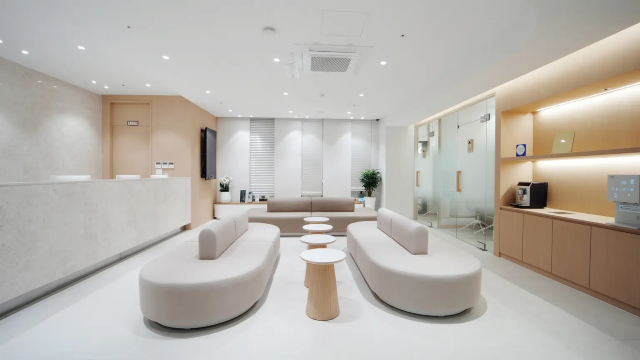
JNB Clinic is located on the 6th floor of the K-Tower Building at 119 Dosan-daero in Gangnam-gu, Seoul, about a minute's walk from Sinsa Station. It is a Registered Medical Institution for Attracting Foreign Patients, certified by Korea's Ministry of Health and Welfare, and it provides English-language support for international patients across consultations, coordination, and post-treatment communication. If you want to understand the clinic's philosophy and background before booking, the About Us page is a good starting point, and you can also read patient reviews to hear from people who have been through the process.
Remember that results and recovery vary from person to person, and no outcome can be guaranteed. The clinic states that autologous cartilage results are semi-permanent, as your own cartilage integrates into the nose over a recovery period that typically takes two to six months.
The Bottom Line
- There is no single price for autologous cartilage rhinoplasty; cost depends on technique, cartilage source, anesthesia, aftercare, and, for international patients, travel and recovery time.
- The three JNB Clinic signature techniques differ in scope: KE-Co (ear cartilage) is more limited, KB-Co (septal and ear hybrid) is moderate, and Krib-Co (rib cartilage) is the most extensive reconstruction.
- A rhinoplasty fee often has several parts, so always confirm whether anesthesia, facility, and follow-up are included before comparing quotes.
- Published averages, such as the ASPS U.S. figure, are useful context only; they are not a JNB Clinic quote.
- The one accurate figure for your case comes from a personalized consultation. You can start with a consultation request.
Frequently Asked Questions
Does JNB Clinic publish a fixed price for autologous cartilage rhinoplasty?No. Because every nose and every plan is different, the clinic confirms the fee after evaluating your anatomy, breathing, and goals at consultation. Any online figure for "rhinoplasty in Korea" is general market context from third parties, not a quote from JNB Clinic.
Why does the cartilage source affect the cost?Ear and septal cartilage are used in more limited amounts, often for tip refinement and moderate support. Rib cartilage provides a larger volume for full reconstruction but requires harvesting from the lower chest, making the procedure more involved. A more complex procedure generally reflects in the overall plan and fee.
Is autologous rhinoplasty more expensive than using implants?This article does not compare specific prices, and JNB Clinic prices are confirmed only at consultation. Cost differences depend on many factors. What the clinic emphasizes is that using your own cartilage is designed to avoid implant-related risks such as displacement and capsule contracture, which is a clinical rather than a price consideration.
What should international patients budget beyond the surgical fee?Plan for flights, accommodation, meals, and time away from work. JNB Clinic advises staying in Korea roughly 7 to 10 days after surgery for follow-up visits and recovery checks. Teleconsultation before travel and remote follow-up afterward can reduce the number of in-person visits.
Is the post-surgery care included in the price?Ask directly, because programs vary between clinics. JNB Clinic describes a three-phase Signature Post-Surgery Care program and states it accompanies patients for up to one year. Confirm what is bundled into your quote versus billed separately.
Who performs the surgery, and are they qualified?Dr. Kang Ju-Yong, Chief Director of JNB Clinic, is a board-certified otolaryngology (ENT) specialist and rhinoplasty surgeon with over 13 years of experience. He developed the clinic's KE-Co, Krib-Co, and KB-Co techniques. Mayo Clinic notes that rhinoplasty is commonly performed by plastic surgeons, facial plastic surgeons, or ENTs.
Can I get an estimate before I travel to Korea?Yes. International patients may begin with an online teleconsultation, during which the clinic can review your history and goals and discuss a personalized plan. A precise, individualized figure is provided as part of that consultation process.
This article is for general informational purposes and does not constitute individualized medical advice. Prices, techniques, and program details should be confirmed directly with JNB Clinic, and any medical or surgical decision should be made in consultation with a qualified clinician. Individual results and recovery vary, and no specific outcome is guaranteed.
More Articles
Continue reading our clinical guides.

Benefits of Stem Cell Therapy for Skin Rejuvenation
Discover the benefits of stem cell therapy for skin rejuvenation, including improved texture, reduced wrinkles, and a more youthful appearance.
Learn More

Recovery After Autologous Cartilage Nose Surgery
Learn what to expect during recovery after autologous cartilage nose surgery, including healing timelines, aftercare tips, and results.
Learn More

Revision Rhinoplasty: Everything You Need to Know Before Your Second Nose Surgery
Revision Rhinoplasty: Learn what to expect from a second nose surgery, including risks, recovery, and results. Explore your options and learn more.
Learn More