Personalized Nasal & Facial Care • Dedicated International Patient Concierge

Medical Guide
Where to Stay in Gangnam During Rhinoplasty Recovery
Where to stay in Gangnam during rhinoplasty recovery: how to choose accommodation near JNB Clinic in Seoul for rest, follow-up visits, and calm healing.
Schedule a ConsultationWhere to Stay in Gangnam During Rhinoplasty Recovery
Medically reviewed by Dr. Kang Ju-Yong, M.D., Board-Certified Otolaryngology (ENT) Specialist & Chief Director, JNB Clinic · Last updated July 2026
Deciding where to stay in Gangnam during rhinoplasty recovery is one of the most practical parts of planning surgery abroad, and it deserves as much thought as choosing your surgeon. Accommodation near JNB Clinic in Seoul is not just about convenience; it shapes how easily you attend follow-up visits, how well you rest, and how comfortably you manage the first days after your procedure. This guide walks through the factors worth weighing when you choose a place to stay, all framed around the recovery realities of nasal surgery. It does not name specific hotels or quote prices, because the right choice depends on your budget, your travel companion, and how much support you expect to need. Instead, it gives you a framework so you can make an informed decision and ask the clinic the right questions.
Why Your Accommodation Choice Matters After Rhinoplasty
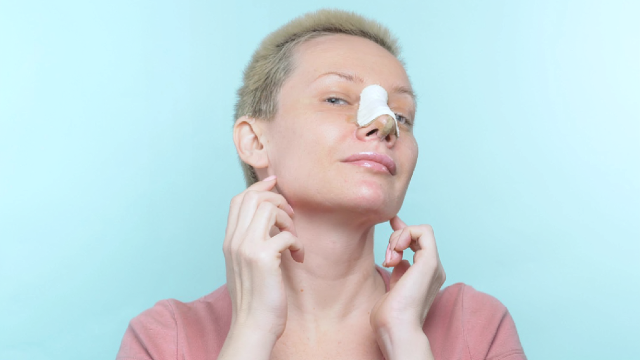
Rhinoplasty is real surgery, and the place you recover in becomes your base of operations for a week or more. JNB Clinic advises international patients to plan to stay in Korea for approximately 7 to 10 days after surgery to attend follow-up visits, splint care, and recovery checks before flying home. That is a meaningful stretch of time in an unfamiliar city, often while managing swelling, a nasal splint, and the fatigue that follows an operation.
The American Society of Plastic Surgeons (ASPS) notes that during rhinoplasty recovery a splint and/or packing may be placed inside your nose and a splint or bandages placed on the outside to support and protect the new structures during initial healing. Mayo Clinic adds that after surgery you need to rest in bed with your head raised higher than your chest to reduce bleeding and swelling. A well-chosen room, one that lets you rest quietly with your head elevated and return easily for appointments, directly supports the healing process. A poorly chosen one can turn simple daily tasks into obstacles.
Proximity to JNB Clinic and Your Follow-Up Schedule
The single most important factor is how close you are to the clinic. JNB Clinic is located on the 6th floor of the K-Tower Building at 119 Dosan-daero in Gangnam-gu, Seoul, about one minute's walk from Sinsa Station Exit 8 on Seoul Subway Line 3. Staying within Gangnam, and ideally within a short, low-effort trip of that location, means your follow-up appointments do not require long or tiring journeys during the days when you should be resting.
Follow-up is not a single visit. JNB Clinic's structured aftercare unfolds over several appointments in the first two weeks. The clinic describes a three-phase Signature Post-Surgery Care program: around Day 2 (splint removal, hyperbaric oxygen therapy, and Smart LED care), around Day 7 (suture removal and relay care), and around two weeks (medical skin scaling and a hyperbaric oxygen refresh). Because you will be returning to the same location repeatedly, minimizing travel time between your accommodation and the clinic is one of the most useful things you can do for your comfort and your healing.
When you weigh proximity, think in terms of effort rather than distance alone. A place that is technically nearby but requires stairs, multiple transfers, or a long walk may be harder than one slightly farther away with a direct, simple route. The clinic can advise on nearby options and on how patients typically manage the trip between their accommodation and appointments, so it is worth asking during your consultation.
Prioritizing Quiet and Restful Surroundings
Rest is a central part of recovery, and your environment influences how well you get it. Mayo Clinic explains that after rhinoplasty most people feel better each day during the first week, and that plenty of quiet recovery time helps. A calm, quiet room where you can sleep, keep your head elevated, and avoid unnecessary stimulation is more valuable in this period than proximity to nightlife or shopping.
Gangnam is a busy, energetic district, so when you consider accommodation, it is reasonable to ask about noise levels, whether rooms face a quiet interior rather than a busy street, and how easy it is to control light and temperature. Being able to sleep well, propped up comfortably, matters more than amenities you will not use while recovering. If you are traveling with a companion, a room with enough space for two people to rest comfortably, and for one to help the other, can make the early days considerably easier.
Practical Room Features That Support Healing
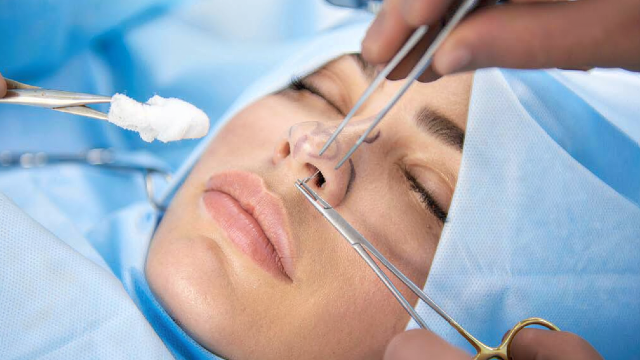
Beyond location and quiet, a few concrete features can make recovery smoother. Consider the following when comparing places to stay:
- Elevation-friendly bedding. You will be advised to keep your head raised above your chest while resting. A room where you can arrange extra pillows, or a bed configuration that supports semi-upright sleeping, helps you follow that guidance comfortably.
- Easy access without strain. Look for step-free access or reliable elevators. Mayo Clinic advises avoiding intense physical activity for several weeks after rhinoplasty, so anything that spares you unnecessary exertion is worth prioritizing.
- A small refrigerator and simple food storage. Mayo Clinic suggests eating high-fiber foods to avoid constipation, which can strain the surgical site, and eating less sodium to help swelling subside. Being able to keep simple, healthy food nearby reduces the need to go out.
- Climate control and clean air. Comfortable temperature and humidity support rest and reduce irritation during a period when your nose may feel congested from swelling.
- Proximity to a pharmacy and basic supplies. Easy access to essentials means you or your companion can restock gauze, tissues, or other items without a long trip.
These are general comfort considerations rather than medical requirements. Your specific post-operative instructions always come from your surgical team, and you should follow those instructions above any general guidance.
Avoiding Strenuous Activity and Tourism Pressure
It is tempting to treat a trip to Seoul as part surgery, part vacation. Authoritative sources caution against combining the two. The ASPS briefing paper on cosmetic surgery tourism states plainly that although cosmetic surgery trips are marketed as vacations, vacation activities should be avoided after surgery: patients should not sunbathe, drink alcohol, swim, or exercise, and should avoid extensive walking or bus tours, in order to heal properly and reduce the possibility of complications. The CDC likewise advises that participating in typical vacation activities such as strenuous activity, sunbathing, swimming, and long tours during the post-operative period can delay or impede healing.
This has a direct bearing on where you stay. Choosing accommodation because it is close to tourist attractions may create the temptation to do too much too soon. Choosing it because it supports quiet rest and easy clinic access aligns better with what your body needs. If you want to see more of Seoul, the better plan is to build sightseeing into a separate trip, or into the tail end of your stay only if your surgeon confirms you are ready, rather than during the sensitive early recovery window.
Planning Around Flights and the Recovery Timeline
Your accommodation plan connects to your travel plan. Because surgery and long flights each carry their own considerations, timing matters. The ASPS suggests waiting seven to ten days after cosmetic procedures of the face, including rhinoplasty, before flying. The CDC echoes that the ASPS recommends patients undergoing cosmetic procedures to the nose wait 7 to 10 days after the procedure before flying. This aligns closely with JNB Clinic's guidance to stay in Korea for approximately 7 to 10 days after surgery, so your accommodation booking should comfortably cover that full window, ideally with a small buffer in case your surgeon advises a slightly longer stay.
Remember that recovery does not end when you fly home. JNB Clinic notes that recovery typically takes two to six months, with the nose gradually becoming more stable and refined during the healing process, and that swelling continues to subside over weeks and months. Your time in Gangnam covers the earliest and most care-intensive phase, but planning your accommodation around that phase is what sets up the rest of your recovery to go smoothly. For remaining questions once you are home, the clinic offers remote follow-up for international patients.
Let the Clinic Guide Your Local Choices
The most reliable local advice comes from the clinic itself. JNB Clinic is a Registered Medical Institution for Attracting Foreign Patients, certified by Korea's Ministry of Health and Welfare, and it provides English-language support for international patients across consultations, coordination, and post-treatment communication. Because the clinic works with international patients regularly, it is well placed to advise on nearby options and on what tends to work for people recovering from nasal surgery.
Rather than committing to accommodation before you have spoken with the clinic, consider raising it during your consultation. You can begin that conversation through the clinic's consultation and contact page, where international patients can reach the team through the online consultation form, email, phone, and other official channels. International patients may also begin with a teleconsultation before travel, which is a natural moment to confirm your recovery timeline, your follow-up schedule, and any local logistics. If you would like to understand the clinic's background and approach first, the About Us page is a helpful starting point.
The Bottom Line
- Plan your Gangnam accommodation around the roughly 7 to 10 days JNB Clinic advises international patients to stay in Korea after surgery for follow-up visits, splint care, and recovery checks.
- Prioritize proximity to the clinic on Dosan-daero in Gangnam-gu so repeated follow-up appointments require minimal, low-effort travel while you rest.
- Choose a quiet room that lets you sleep with your head elevated, and look for practical features such as step-free access, climate control, and easy food storage.
- Avoid planning your stay around tourism; authoritative bodies advise against vacation activities and strenuous exertion during early recovery.
- Ask the clinic for guidance, as it can advise on nearby options and confirm your personalized recovery and follow-up schedule.
Frequently Asked Questions
How long should I book accommodation in Gangnam for rhinoplasty recovery?JNB Clinic advises international patients to plan to stay in Korea for approximately 7 to 10 days after surgery to attend follow-up visits, splint care, and recovery checks before traveling home. Book to comfortably cover that window, and consider a small buffer in case your surgeon recommends a slightly longer stay. Confirm your exact timeline with the clinic.
How close is JNB Clinic, and does location really matter?JNB Clinic is on the 6th floor of the K-Tower Building at 119 Dosan-daero in Gangnam-gu, Seoul, about one minute's walk from Sinsa Station Exit 8 on Line 3. Because follow-up involves several appointments in the first two weeks, staying close reduces tiring travel during the period when rest matters most.
Does JNB Clinic recommend specific hotels?This guide does not endorse specific hotels or quote prices, as the right choice depends on your budget and needs. The clinic works with international patients and can advise on nearby options. It is best to raise accommodation during your consultation so the advice fits your situation.
Can I sightsee in Seoul while I recover?It is wiser not to plan your stay around tourism. The ASPS and CDC both advise avoiding vacation activities such as sunbathing, swimming, drinking alcohol, extensive tours, and exercise after surgery, because they can delay or impede healing. Any sightseeing should wait until your surgeon confirms you are ready.
What room features help most during recovery?Look for a quiet space where you can rest with your head elevated, as Mayo Clinic advises keeping your head raised higher than your chest to reduce swelling. Step-free access, reliable elevators, climate control, and simple food storage all reduce strain and support rest.
When is it safe to fly home after rhinoplasty?The ASPS suggests waiting seven to ten days after cosmetic facial procedures, including rhinoplasty, before flying, and the CDC reports the same ASPS guidance. This aligns with JNB Clinic's advice to stay in Korea about 7 to 10 days. Always confirm your personal fly-home date with your surgeon.
Can I handle some of my recovery remotely after returning home?Yes. JNB Clinic offers remote follow-up for international patients after they return home. Your time in Gangnam covers the earliest, most care-intensive phase, while later stages of the two-to-six-month recovery can be supported remotely. Confirm the details of remote follow-up with the clinic.
This article is for general informational purposes and does not constitute individualized medical advice. Accommodation choices, recovery timelines, and follow-up schedules should be confirmed directly with JNB Clinic, and any medical or surgical decision should be made in consultation with a qualified clinician. Individual results and recovery vary, and no specific outcome is guaranteed.
More Articles
Continue reading our clinical guides.

Benefits of Stem Cell Therapy for Skin Rejuvenation
Discover the benefits of stem cell therapy for skin rejuvenation, including improved texture, reduced wrinkles, and a more youthful appearance.
Learn More

Recovery After Autologous Cartilage Nose Surgery
Learn what to expect during recovery after autologous cartilage nose surgery, including healing timelines, aftercare tips, and results.
Learn More
Revision Rhinoplasty: Everything You Need to Know Before Your Second Nose Surgery
Revision Rhinoplasty: Learn what to expect from a second nose surgery, including risks, recovery, and results. Explore your options and learn more.
Learn More