Personalized Nasal & Facial Care • Dedicated International Patient Concierge

Medical Guide
What Documents to Bring to Your Seoul Rhinoplasty Consultation
Documents needed for a rhinoplasty consultation in Korea: ID, prior operative records, imaging, medication list, and photos. What to prepare for JNB
Schedule a ConsultationWhat Documents to Bring to Your Seoul Rhinoplasty Consultation
Medically reviewed by Dr. Kang Ju-Yong, M.D., Board-Certified Otolaryngology (ENT) Specialist & Chief Director, JNB Clinic · Last updated July 2026
If you are trying to work out what documents are needed for a rhinoplasty consultation in Korea, the short answer is that the right paperwork helps your surgeon plan safely and accurately. Knowing what to bring to a plastic surgery consultation is not about ticking a bureaucratic box; it is about giving the person assessing your nose the fullest possible picture of your health, your history, and your goals. At JNB Clinic in Gangnam, Seoul, the consultation for autologous cartilage rhinoplasty is built around a detailed review of your nasal structure and your medical background, so the more accurate information you provide, the more precise the plan can be. This guide explains the general documents worth preparing, why each one matters, and which specifics you should confirm directly with the clinic before you travel.

Why Documents Matter for a Rhinoplasty Consultation
A rhinoplasty consultation is a diagnostic conversation as much as a cosmetic one. According to the American Society of Plastic Surgeons (ASPS), the consultation is the time to discuss your goals, your medical history, and the details of your procedure, and to ask the questions that help you make an informed decision. Mayo Clinic makes a related point: before rhinoplasty, your surgeon will review your medical history, including any medications you take, any bleeding disorders, and previous surgeries. None of that review can happen well from memory alone. Written records, imaging, and lists fill the gaps that conversation leaves behind.
At JNB Clinic, the initial consultation includes a comprehensive assessment of the nasal bridge, tip, septum, cartilage quality, skin thickness, and breathing function, and any prior rhinoplasty or filler history is reviewed. That last point is important. If you have had a previous nose procedure or filler injections, documentation of what was done can change the surgical plan, and the clinic reviews this history as part of its diagnostic process. International patients may complete this consultation step via teleconsultation before travel, which means some of your documents may be useful even before you board a plane.
It is worth stating clearly what this article does and does not do. It offers general, widely recommended guidance on the kinds of documents that help any surgical consultation. It does not present a required-documents checklist as JNB Clinic policy. The clinic confirms its own document requirements, and you should verify exactly what to bring by contacting the clinic directly through its Contact Us page.
Identification and Travel Documents
For international patients, identity and travel paperwork are the foundation. A valid passport is the primary form of identification you will carry, and the U.S. Department of State advises travelers to keep their travel documents secure and to carry the contact details they may need while abroad. If you are traveling to Korea specifically for surgery, having your passport and any entry documentation organized and accessible is simply practical.
Beyond the passport itself, it is sensible to have a way to prove your identity that matches the name on any medical records you bring, so the clinic can reconcile your history with the person in front of them. If you have any existing appointment confirmations, teleconsultation records, or correspondence with the clinic, keep those together with your travel documents. Whether the clinic requires any specific identification for registration as a foreign patient is something to confirm with the clinic in advance.
Prior Operative Records and Imaging
If you have had any previous nasal surgery, this is arguably the single most valuable category of documentation you can bring. Mayo Clinic notes that your surgeon will review previous surgeries as part of assessing your suitability and planning your procedure. For rhinoplasty specifically, an operative report from a prior nose surgery can tell the surgeon what was done, what materials were used, and what structures were altered.
JNB Clinic's approach reflects how much this history matters. The clinic performs revision rhinoplasty for patients who have had prior nose surgery elsewhere, including cases involving prior implant-related complications, using the patient's own cartilage to restore stability and proportion. For a revision case, knowing whether an implant was placed, what type, and how the nasal framework was previously modified helps the surgeon plan a safer, more predictable correction. If you can obtain the following from your previous provider, it is worth the effort:
- The operative report or surgical summary from any prior rhinoplasty or nasal surgery.
- Details of any implant used (material and type), if applicable.
- Any pre-operative and post-operative photographs your previous surgeon may have.
- Copies of prior imaging, such as CT scans, if these are available to you.
JNB Clinic uses advanced 3D-CT analysis to evaluate the nasal structure and to build a customized surgical plan. The clinic will typically perform its own imaging as part of its diagnostic process, but any prior imaging you can supply adds useful context, particularly for revision cases. Whether previous scans need to be brought in a particular format is a detail to confirm with the clinic.
Filler and Injectable History
Nasal filler deserves its own mention because it can meaningfully affect surgical planning. JNB Clinic reviews prior filler history as part of the consultation, and the clinic offers nose filler removal for patients who previously received filler injections and are planning rhinoplasty. Residual filler can distort the nasal anatomy and interfere with an accurate assessment of the underlying structure, so the clinic evaluates previous filler history, identifies remaining filler material, and plans accordingly before proceeding.
To support that evaluation, try to document what you can about any injectable treatments to your nose or nearby areas: the type of product used, the approximate dates, how many sessions you had, and which provider performed them. If you do not have formal records, even an accurate written summary from memory is better than leaving the clinic to guess. Because filler can change how the nose looks and behaves, being transparent about it protects the accuracy of your plan.
Medical History and Medication List
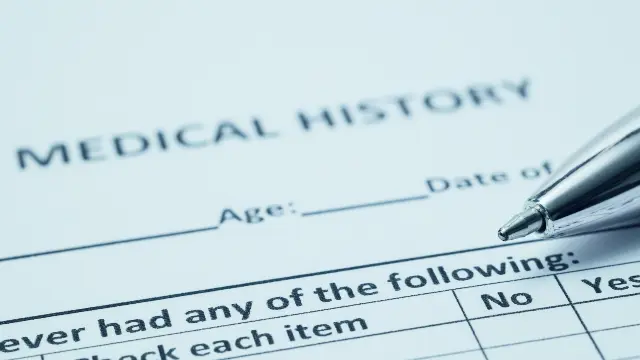
A clear medical history is central to any safe surgical plan. Mayo Clinic advises that your surgeon will review your medical history, including medications you take and any bleeding disorders. ASPS similarly frames the consultation as the moment to discuss your health conditions and current medications. The most useful thing you can prepare is a written, up-to-date list rather than relying on recall in the room.
Consider preparing the following:
- A complete list of prescription medications, ideally by generic name. The U.S. Department of State recommends carrying prescriptions and a letter from your health care provider describing your medical condition and medications when you travel abroad.
- Over-the-counter medicines and supplements you take regularly, since some can affect bleeding or healing.
- Known allergies, including any reactions to medications, anesthesia, latex, or materials.
- A summary of chronic conditions and any past significant illnesses or hospitalizations.
MedlinePlus recommends keeping a personal health record that tracks your medical information from various sources, which can start with basics such as your name, date of birth, blood type, and emergency contact, and can include your medications and conditions. Assembling a personal health record before your consultation is a practical way to have this information in one place, and it is useful well beyond a single appointment.
Because JNB Clinic assesses breathing function as part of its rhinoplasty consultation, any history relevant to your airway is worth noting too: chronic congestion, prior sinus problems, allergies, snoring or sleep-disordered breathing, or a history of nasal trauma. The clinic also offers functional nasal surgery and uses 3D-CT imaging to evaluate structures such as the septum and nasal valves, so a full picture of how you breathe informs both the aesthetic and functional side of your plan.
Photographs and a Record of Your Goals
Photographs help bridge the gap between what you picture and what your surgeon evaluates. It can be helpful to bring photos of yourself from different angles and, if you have them, images from before any previous surgery, which give the surgeon a sense of your natural starting point. Some patients also bring reference images of nasal shapes they find appealing. These are useful for communication, but they are a starting point for discussion, not a promise of a specific result. ASPS emphasizes asking your surgeon what results are reasonable for you, and Mayo Clinic is clear that outcomes depend on your individual anatomy, including your nasal bones, cartilage, and skin.
It also helps to arrive with your goals written down. What bothers you about your nose? Do you have functional concerns, such as difficulty breathing, alongside cosmetic ones? Writing this out keeps the conversation focused and ensures nothing important is forgotten in the moment.
Questions to Bring to the Consultation
A consultation works best when you come prepared to ask, not just answer. ASPS publishes a checklist of questions to take to a rhinoplasty consultation, and it encourages patients to ask about the surgeon's qualifications, the facility, and what results are realistic. Adapting those questions to an international setting, you might ask:
- Which technique do you recommend for my nose, and why?
- Given my prior surgery or filler history, what does that mean for my plan?
- What does recovery look like, and how long should I stay in Korea?
- What are the realistic risks, and what is the possibility that a revision could be needed?
- How will follow-up work after I return home?
JNB Clinic advises international patients to plan their stay around the procedure, follow-up checkups, and dressing or suture care, and it offers online follow-up after you return home. Asking about the specifics of that timeline during your consultation helps you plan travel and time off realistically.
Confirm the Specifics With the Clinic
Every clinic sets its own registration and documentation requirements, and those can differ for international patients. Rather than assume, confirm. JNB Clinic can tell you exactly what to prepare, in what format, and whether anything needs to be arranged before you arrive. You can reach the clinic through its Contact Us page, and you can learn more about the clinic's background on the About Us page. Because international patients may begin with a teleconsultation before travel, it is worth asking early which documents would be helpful to share at that stage. Results and recovery vary from person to person, and no outcome can be guaranteed.
The Bottom Line
- The purpose of bringing documents to a rhinoplasty consultation is accuracy and safety, not paperwork for its own sake; better information supports a better plan.
- Generally useful items include valid identification and travel documents, prior operative records and imaging, a complete medication and allergy list, a medical history summary, and photographs.
- If you have had previous nose surgery or filler, documentation of that history is especially valuable, because JNB Clinic reviews prior rhinoplasty and filler history and uses 3D-CT analysis for planning.
- This is general guidance, not a JNB Clinic policy checklist; confirm the clinic's specific document requirements directly before you travel.
- International patients may begin with a teleconsultation before travel, so ask early which documents are helpful to share.
Frequently Asked Questions
What documents do I actually need for a rhinoplasty consultation in Korea?There is no universal list, and JNB Clinic sets its own requirements. Generally helpful documents include valid identification, any prior operative records and imaging, a medication and allergy list, a medical history summary, and photographs. Confirm the exact requirements with the clinic before you travel through its Contact Us page.
I had rhinoplasty before. What should I bring?If possible, bring the operative report from your previous surgery, details of any implant used, prior imaging such as CT scans, and before-and-after photos. JNB Clinic performs revision rhinoplasty and reviews prior surgical history, so this documentation helps the surgeon plan a safer, more predictable correction.
I've had nose filler. Does that matter?Yes. JNB Clinic reviews prior filler history and offers filler removal before rhinoplasty when needed, because residual filler can distort the nasal anatomy and affect assessment. Document the product type, dates, and provider if you can, and share this openly during your consultation.
Do I need to bring my own CT scan?JNB Clinic uses its own 3D-CT analysis as part of its diagnostic process. Any prior imaging you have can add useful context, especially for revision cases, but you should confirm with the clinic whether previous scans are needed and in what format.
How should I prepare my medication information?Bring a written list of all prescription medicines, ideally by generic name, plus over-the-counter drugs, supplements, and allergies. The U.S. Department of State recommends carrying prescriptions and a provider letter when traveling abroad, and MedlinePlus suggests keeping a personal health record to track this information.
Can I do any of this before traveling to Korea?Yes. JNB Clinic offers teleconsultation before travel for international patients. Ask the clinic which documents would be useful to share during a remote consultation so that your in-person visit is as efficient as possible.
Will bringing reference photos guarantee that result?No. Reference photos help communication, but your outcome depends on your individual anatomy, including your bone, cartilage, and skin. ASPS advises asking your surgeon what results are reasonable for you, and results vary from person to person.
This article is for general informational purposes and does not constitute individualized medical advice. Document requirements, procedures, and program details should be confirmed directly with JNB Clinic, and any medical or surgical decision should be made in consultation with a qualified clinician. Individual results and recovery vary, and no specific outcome is guaranteed.
More Articles
Continue reading our clinical guides.

Benefits of Stem Cell Therapy for Skin Rejuvenation
Discover the benefits of stem cell therapy for skin rejuvenation, including improved texture, reduced wrinkles, and a more youthful appearance.
Learn More

Recovery After Autologous Cartilage Nose Surgery
Learn what to expect during recovery after autologous cartilage nose surgery, including healing timelines, aftercare tips, and results.
Learn More

Revision Rhinoplasty: Everything You Need to Know Before Your Second Nose Surgery
Revision Rhinoplasty: Learn what to expect from a second nose surgery, including risks, recovery, and results. Explore your options and learn more.
Learn More