Personalized Nasal & Facial Care • Dedicated International Patient Concierge

Medical Guide
Ultherapy Prime vs. Thermage FLX: Which Skin Tightening Treatment Fits Your Skin?
Ultherapy Prime vs Thermage FLX: compare ultrasound and radiofrequency skin tightening, how each works, candidates, results, and which may fit your skin.
Schedule a ConsultationUltherapy Prime vs. Thermage FLX: Which Skin Tightening Treatment Fits Your Skin?
Medically reviewed by Dr. Kang Ju-Yong, M.D., Board-Certified Otolaryngology (ENT) Specialist & Chief Director, JNB Clinic · Last updated July 2026
If you are weighing Ultherapy Prime vs Thermage FLX and wondering which is better, Ultherapy or Thermage, the short answer is that they are two different tools for two related jobs. Both are non-surgical, FDA-cleared skin tightening technologies, but they use different types of energy and target the skin in different ways. Ultherapy Prime is a microfocused ultrasound (HIFU) system, while Thermage FLX uses monopolar radiofrequency. Understanding that distinction is the key to choosing between them, and this guide explains how each works, who they tend to suit, and what to expect.
Both treatments appear on the Lifting menu at JNB Clinic in Gangnam, Seoul. Because the right option depends on your skin, anatomy, and goals, the comparison below focuses on general education about how the two energy types differ rather than promising any particular result. A consultation is the only reliable way to decide which fits you.
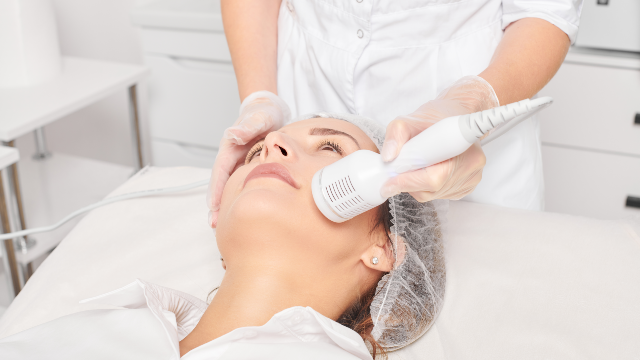
What Both Treatments Are Trying to Fix
Both Ultherapy Prime and Thermage FLX address the visible effects of skin aging. As MedlinePlus notes, changes in the skin's connective tissue reduce its strength and elasticity over time, a process called elastosis, so skin gradually loses firmness and begins to sag. Mayo Clinic adds that aging brings a decline in collagen, elastin, and hyaluronic acid, leaving skin thinner and less elastic, while sun exposure and smoking accelerate the process.
Non-surgical skin tightening devices do not reverse aging. Instead, they use controlled energy to stimulate the skin's own collagen, which is the described mechanism behind their firming effect. The American Society of Plastic Surgeons notes a broad shift toward non-surgical rejuvenation as patients seek results with little or no downtime, and micro-focused ultrasound and radiofrequency are two of the leading energy modalities in that space. Ultherapy Prime and Thermage FLX are specific examples of those two categories.
Ultherapy Prime: Microfocused Ultrasound (HIFU)
Ultherapy is a form of high-intensity focused ultrasound, sometimes called microfocused ultrasound with visualization. As Mayo Clinic explains, high-intensity focused ultrasound concentrates sound waves to treat targeted tissue, and in aesthetic use the energy is delivered to precise depths beneath the skin.
What sets ultrasound-based tightening apart is depth and precision. The energy is focused into small heating points at layered depths, reaching not only the dermis but also deeper foundational support tissue. The "visualization" element allows the practitioner to see the layers being treated, helping direct energy accurately. These focused thermal points prompt the skin to remodel collagen, which is credited with the gradual lifting and firming effect that develops after treatment.
Ultherapy is FDA-cleared as a non-invasive treatment to lift skin on the brow, under the chin, and on the neck, and to improve lines and wrinkles on the décolleté. Because it reaches deeper layers, ultrasound-based tightening is often discussed for people seeking lift and firmness in areas such as the lower face, jawline, and neck. Results build gradually over the weeks and months following treatment as new collagen forms, and results vary between individuals.
Thermage FLX: Monopolar Radiofrequency
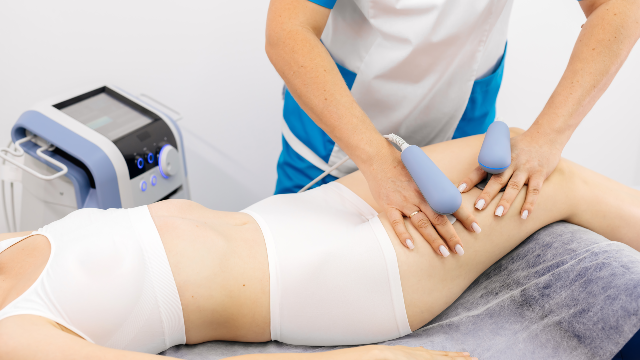
Thermage FLX is a monopolar radiofrequency device. Instead of focusing energy into deep points the way ultrasound does, radiofrequency delivers gentle, volumetric heat across a broader area of the dermis. This controlled heating causes existing collagen to contract and, over time, encourages the skin to produce new collagen, which is the mechanism behind the smoothing and tightening effect.
Radiofrequency is one of the established categories of aesthetic energy devices regulated by the U.S. FDA, and monopolar RF systems are a well-recognized example. Because RF heats a wider zone rather than discrete focal points, many people describe the sensation as warming and it is often associated with treating overall skin texture and mild to moderate laxity in addition to firming.
An important clarification: monopolar radiofrequency skin tightening is distinct from radiofrequency microneedling, which combines RF energy with tiny needles. The FDA has issued a safety communication about certain uses of RF microneedling devices, citing reports of burns, scarring, and other complications. That caution applies to the microneedling category specifically, but it is a useful reminder that any energy-based treatment should be performed by a qualified provider after appropriate assessment.
Ultherapy Prime vs. Thermage FLX: The Core Differences
The two treatments are complementary more often than they are competitors. Here is how they compare across the factors that usually matter most.
Energy type. Ultherapy Prime uses microfocused ultrasound; Thermage FLX uses monopolar radiofrequency. This is the fundamental difference from which the others follow.
How energy is delivered. Ultherapy concentrates energy into focused points at layered depths, including deeper support tissue. Thermage distributes broader, more diffuse heat across the dermis.
What each is often associated with. Ultrasound-based tightening is frequently discussed in terms of lifting deeper structures, such as along the jawline and neck. Radiofrequency is frequently discussed in terms of overall skin tightening and smoothing texture. There is meaningful overlap, and individual assessment determines the best fit.
How results appear. Both rely on collagen remodeling, so firming develops gradually over weeks to months rather than instantly. Neither is equivalent to a surgical facelift for severe laxity.
Sensation and downtime. Both are non-incisional, in-office energy treatments. RF is commonly described as a warming sensation, while HIFU delivers brief pulses of deeper heat. Comfort varies by person and area treated.
Sessions. Depending on the technology and your skin, a single session or a series may be recommended, and periodic maintenance is common as skin continues to age.
Because JNB Clinic offers both Ultherapy Prime and Thermage FLX on its Lifting menu, a consultation can weigh the two against your specific concerns. You can read more about the clinic on the About Us page or contact the clinic to ask which may suit you.
Which One Fits Your Skin?

Rather than asking which treatment is objectively better, it is more useful to ask which fits your situation. Several considerations guide the decision.
Your primary concern. If your main goal is lifting deeper, foundational laxity, an ultrasound-based approach may be discussed. If your concern is broader skin tightening and texture, a radiofrequency approach may be considered. Many people have a mix of concerns.
Your skin quality and history. Skin thickness, prior treatments, and general skin health all influence which technology is appropriate, which is why a professional evaluation is essential before choosing.
Your expectations and timeline. Both treatments produce gradual results and neither replaces surgery for advanced sagging. As the FDA notes about aesthetic devices in general, a procedure may not always give the results you want, effects can be temporary, and there are risks with any device. Realistic expectations are part of a good outcome.
Combination approaches. Ultherapy Prime and Thermage FLX are not mutually exclusive; some plans use ultrasound and radiofrequency to address different concerns, either together or staged over time. Whether that is appropriate for you is an individual clinical decision.
The most reliable path is a professional consultation with an assessment of your skin and goals. You can review patient reviews and before-and-after references to understand the range of experiences before booking.
Safety, Candidacy, and What to Expect
Both ultrasound- and radiofrequency-based tightening are non-incisional, office-based procedures, but that does not mean they are appropriate for everyone or free of considerations. A thorough consultation typically reviews your skin quality, the areas you want to treat, your medical history, and any prior aesthetic treatments. This is also when unrealistic expectations can be reset: as the FDA emphasizes for aesthetic devices generally, a procedure may not always give you the results you want, the effects can be temporary, and there are risks involved with any device.
Good candidates are generally people with mild to moderate skin laxity who prefer a non-surgical route and understand that results build gradually. People with significant sagging may be better served by discussing surgical options, because non-surgical devices are not designed to produce facelift-level correction. Your overall skin health matters too; MedlinePlus notes that protecting skin from sun exposure is one of the most effective ways to slow visible aging, so sun protection remains important both before and after any tightening treatment to help preserve results.
Expectations about the treatment day are also worth setting in advance. Because both technologies are non-incisional, most people can return to normal activities relatively quickly, though sensations during and mild effects after treatment vary by device, area, and individual. Choosing an experienced, qualified provider is one of the most important safety factors of all, since proper device settings and technique influence both comfort and results. A consultation lets your provider tailor the plan, explain aftercare, and decide whether ultrasound, radiofrequency, a combination, or a different approach best matches your needs.
The Bottom Line
- Ultherapy Prime uses microfocused ultrasound (HIFU) to reach deeper layers; Thermage FLX uses monopolar radiofrequency to heat a broader zone of the dermis.
- Both are non-surgical, FDA-cleared technologies that firm skin by stimulating collagen, so results develop gradually over weeks to months.
- Ultrasound is often associated with lifting deeper laxity, and radiofrequency with overall tightening and texture, though the concerns overlap and can be combined.
- Neither replaces a surgical facelift for severe laxity, results vary between individuals, and more than one session may be advised.
- JNB Clinic offers both Ultherapy Prime and Thermage FLX; a consultation is the way to determine which fits your skin.
Frequently Asked Questions
Which is better, Ultherapy or Thermage?Neither is universally better; they use different energy types for related but different goals. Ultherapy (Ultherapy Prime) uses focused ultrasound to reach deeper layers, while Thermage (Thermage FLX) uses radiofrequency to warm a broader area. The better choice depends on your skin and goals, which a consultation can assess.
Are Ultherapy Prime and Thermage FLX FDA-cleared?Yes. Ultherapy is an FDA-cleared microfocused ultrasound treatment for non-invasive lifting of the brow, chin, and neck and for improving lines on the décolleté. Monopolar radiofrequency, the technology behind Thermage FLX, is an established, FDA-regulated category of aesthetic device.
How soon will I see results, and how long do they last?Both treatments stimulate collagen, so firming appears gradually over weeks to months rather than immediately. Longevity varies with your skin and lifestyle factors such as sun exposure, and maintenance treatments are common as skin continues to age.
Do these treatments hurt?Comfort varies by person and area. Radiofrequency is often described as a warming sensation, while ultrasound delivers brief pulses of deeper heat. Your provider will explain what to expect and how comfort is managed for the specific treatment.
Can Ultherapy and Thermage be combined?In some cases, yes. Because ultrasound and radiofrequency address skin differently, a tailored plan may use both, either together or staged over time. Whether combining is appropriate for you is decided during consultation.
Will either treatment give me a facelift result?No. Both are non-surgical options generally suited to mild to moderate laxity. They are not equivalent to a surgical facelift, which may be more appropriate for severe sagging. Results vary and no specific outcome is guaranteed.
How do I know which one I need?The most reliable way is a professional assessment of your skin quality, degree of laxity, and goals. A consultation lets a qualified provider recommend whether ultrasound, radiofrequency, a combination, or another approach best fits you.
This article is for general informational purposes and does not constitute individualized medical advice. Results vary from person to person, and no specific outcome is guaranteed. Consult a qualified medical provider to determine which treatment, if any, is appropriate for your skin and health.
More Articles
Continue reading our clinical guides.

Benefits of Stem Cell Therapy for Skin Rejuvenation
Discover the benefits of stem cell therapy for skin rejuvenation, including improved texture, reduced wrinkles, and a more youthful appearance.
Learn More

Recovery After Autologous Cartilage Nose Surgery
Learn what to expect during recovery after autologous cartilage nose surgery, including healing timelines, aftercare tips, and results.
Learn More

Revision Rhinoplasty: Everything You Need to Know Before Your Second Nose Surgery
Revision Rhinoplasty: Learn what to expect from a second nose surgery, including risks, recovery, and results. Explore your options and learn more.
Learn More