Personalized Nasal & Facial Care • Dedicated International Patient Concierge

Medical Guide
Shurink Lifting: HIFU for the Lower Face and Jawline
Shurink Lifting uses cartridge-based HIFU to target the lower face and jawline. Learn how the treatment works, candidacy, downtime, and realistic risks.
Schedule a ConsultationShurink Lifting: HIFU for the Lower Face and Jawline
Medically reviewed by Dr. Kang Ju-Yong, Korean Board-Certified Otorhinolaryngologist (ENT Specialist)
Shurink Lifting is a non-surgical, energy-based treatment that uses high-intensity focused ultrasound (HIFU) to target the lower face and jawline. It is designed to deliver focused sound energy beneath the skin's surface, where it may prompt a gradual tightening response over the following months. This article explains how the technology works, who might be considered a candidate, what recovery looks like, and where its limits lie. It is educational and is not a substitute for an in-person consultation.
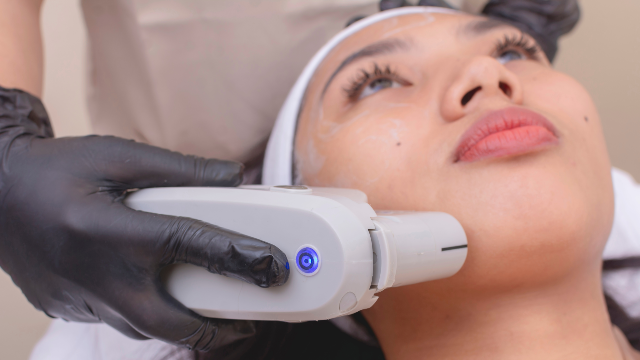
What Shurink Lifting Is
Shurink is a HIFU device made by the Korean company Classys and used at JNB Clinic as one of several non-surgical lifting options. HIFU stands for high-intensity focused ultrasound, a technology that concentrates ultrasound energy to a precise point beneath the skin rather than spreading it across the surface. At that focal point, the energy generates heat that can create small, controlled coagulation points at set depths.
The goal of a Shurink session is to encourage the skin's own remodeling process. When tissue is heated in a controlled way, the body responds over time by producing new collagen and remodeling existing tissue, which may translate into a firmer, more lifted appearance in some people. Because the effect depends on your body's healing response, changes tend to appear gradually rather than immediately.
It is worth being precise about language from the start. Shurink Lifting is a "lifting" treatment in the sense of tightening and toning; it is not a surgical facelift. A surgical facelift physically repositions skin and deeper tissue and removes excess skin, producing changes that HIFU cannot replicate. Understanding this distinction is central to setting realistic expectations.
How Cartridge-Based HIFU Works
Shurink is a cartridge-based system. That means the device uses interchangeable transducer cartridges, each engineered to deliver focused ultrasound energy to a specific depth beneath the skin. Different cartridges reach different layers, from the more superficial dermis down to deeper structural layers.
This depth control is the practical reason cartridge-based HIFU is used for the lower face and jawline. The provider can select a cartridge suited to the tissue depth of a particular area and, working within the device's settings, deliver a planned number of ultrasound "lines" or "shots" across the treatment zone. Focusing energy at a chosen depth is intended to create thermal effects where they are wanted while sparing the surface of the skin.
The underlying mechanism—concentrating ultrasound to a focal point to generate heat and stimulate collagen and elastin remodeling—is the same principle behind microfocused ultrasound devices generally. Independent reviews of microfocused ultrasound describe controlled thermal coagulation points that initiate new collagen formation and elastin remodeling, with results that build over time rather than appearing at once.
Regulatory Status: MFDS-Registered, Not US-FDA-Cleared
This is an important point for patients coming from the United States. Shurink is a device registered for the Korean market through the Ministry of Food and Drug Safety (MFDS) and also carries CE marking for Europe. It is not cleared by the U.S. Food and Drug Administration (FDA) for the cosmetic lifting indication.
That does not mean HIFU as a category is unrecognized in the United States. The FDA regulates focused ultrasound stimulator systems for aesthetic use as Class II devices, and some microfocused ultrasound systems have received U.S. FDA clearance for specific indications such as brow, submental, and neck lifting. However, U.S. clearance applies to a specific device with a specific reviewed indication—it does not automatically extend to every HIFU device on the market worldwide. Shurink specifically has not been through that U.S. clearance pathway.
It also helps to understand the difference between "cleared" and "approved." Aesthetic devices in the United States typically reach the market through the FDA's 510(k) clearance pathway, which establishes that a device is substantially equivalent to an existing legally marketed one. "Approved" is a separate, more rigorous term used for certain drugs and high-risk devices. Neither term is a promise of a particular cosmetic result. If regulatory status matters to you, discuss it directly with the clinic, and feel free to reach out to JNB Clinic with questions before you travel.
Treating the Lower Face and Jawline
The lower face and jawline are common areas of concern as skin elasticity declines with age. Loss of collagen and elastin, combined with the natural pull of gravity and changes in underlying fat and bone, can soften the jawline and contribute to early jowling and a less defined contour.
Shurink Lifting is used in this region to deliver focused ultrasound energy to the tissue layers that contribute to skin firmness and contour. The intended benefit is a gradual tightening and a modestly more defined lower-face outline. For the right candidate with mild to moderate laxity, this can mean a subtle refinement rather than a dramatic transformation. It is not a substitute for surgery when significant excess skin is present.
Who May Be a Candidate
Candidacy is always individual and should be assessed in a consultation. In general, non-surgical lifting treatments like HIFU tend to be considered for people with early-to-moderate skin laxity who want a non-surgical option and who understand that results are gradual and variable.
People with significant sagging, substantial excess skin, or very advanced laxity may not see meaningful improvement from HIFU and might be better served by discussing surgical options. Certain medical conditions, skin infections in the treatment area, and other individual factors may make treatment inappropriate. The consultation at JNB Clinic includes an evaluation of your skin condition, elasticity, and facial contour so the physician can advise whether Shurink or another approach fits your goals. You can learn more about the clinic and its services on the JNB Clinic website.
What a Session Involves
A typical session begins with cleansing and preparation of the treatment area. The provider then applies the HIFU device, selecting the appropriate cartridge or cartridges for the depth being treated, and delivers the planned pattern of ultrasound energy across the lower face and jawline according to the treatment plan.
Many people describe sensations of heat or brief prickling as energy is delivered; comfort varies from person to person and depends on the area and settings. The number of "shots" and the specific settings are individualized. Because Shurink is generally a low-downtime procedure, most people are able to return to normal daily activities afterward, though this can vary.
Downtime and Recovery
One reason patients consider energy-based lifting is the limited downtime compared with surgery. After a Shurink session, temporary redness and mild swelling are common and usually settle within a short period. Some people notice tenderness or a warm sensation in the treated area for a day or two.
Aftercare typically follows the general guidance for energy-based skin treatments: protect the skin, use sunscreen, stay hydrated, and avoid heat exposure such as saunas, along with alcohol and strenuous activity for a short period as advised. Your provider will give you personalized instructions based on your treatment. If you are traveling to Seoul specifically for treatment, it is sensible to build in enough time to discuss follow-up care.
Realistic Results and Limitations
Results from HIFU are gradual. Because the treatment works by stimulating your body's collagen and remodeling response, visible changes typically develop over a period of weeks to months rather than immediately. The degree of improvement varies considerably between individuals and depends on factors such as your baseline skin quality, age, and the extent of laxity.
It bears repeating: Shurink Lifting is not a surgical facelift and should not be described as one. It cannot remove excess skin or reposition deeper tissue the way surgery does. For some people the effect is a subtle firming; for others it may be modest or difficult to perceive. No non-surgical device can guarantee a specific outcome, and maintenance sessions may be discussed over time as the natural aging process continues.
Risks and Side Effects
HIFU is generally considered a low-downtime treatment, but no procedure is risk-free. Commonly reported effects are temporary and mild, such as redness, swelling, tenderness, or a tingling sensation. Less commonly, bruising or small areas of numbness can occur.
Rarer but more serious risks exist, including burns and, uncommonly, temporary effects on nerves in the treated area, which can affect sensation or muscle movement. These risks are influenced by device settings, technique, and individual anatomy, which is one reason treatment should be performed by a qualified provider after an individualized assessment. Discuss your full medical history and any concerns before proceeding, and report unusual or persistent symptoms promptly.
Shurink Compared With Other Lifting Options
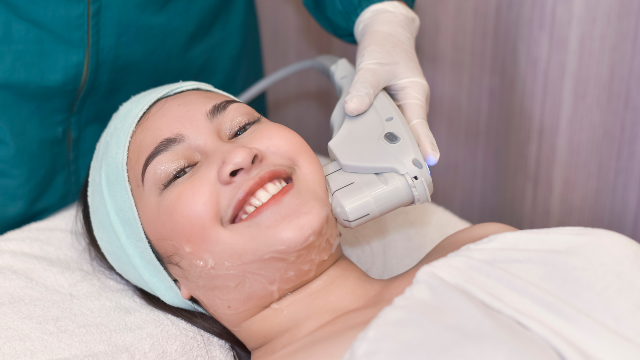
Shurink is one of several non-surgical lifting technologies. Others include additional microfocused ultrasound systems, monopolar radiofrequency devices, radiofrequency microneedling, and thread lifting, each with its own mechanism, ideal candidate, and profile. There is no single treatment that is right for everyone.
Rather than promoting one device for all patients, an individualized consultation is intended to match the approach to your skin condition, the area of concern, the degree of laxity, and your goals. In some cases a combination of treatments may be discussed. The right choice is best determined together with your provider after an in-person evaluation.
The Bottom Line
- Shurink Lifting uses cartridge-based HIFU to deliver focused ultrasound energy to the lower face and jawline, aiming to stimulate gradual collagen remodeling and tightening.
- Shurink is MFDS-registered in Korea and CE-marked, but it is not U.S. FDA-cleared for the cosmetic lifting indication; "cleared" and "approved" are regulatory terms, not promises of a result.
- It is a lifting treatment, not a surgical facelift—it cannot remove excess skin or reposition deep tissue, and results are gradual and vary between individuals.
- Common side effects are usually mild and temporary; rare risks include burns and temporary nerve effects, so treatment should follow an individualized assessment by a qualified provider.
- Candidacy, settings, and expectations should be established in a personal consultation.
Frequently Asked Questions
Is Shurink Lifting a facelift?
No. Shurink Lifting is a non-surgical, energy-based treatment intended to tighten and firm the skin gradually. It does not remove excess skin or reposition deeper tissue, which is what a surgical facelift does. It is best thought of as a lifting or tightening treatment rather than a replacement for surgery.
Is Shurink FDA-approved in the United States?
Shurink is registered for the Korean market through the MFDS and is CE-marked, but it is not U.S. FDA-cleared for the cosmetic lifting indication. Some other microfocused ultrasound devices have received U.S. FDA clearance for specific indications, but that clearance does not extend to every HIFU device. If regulatory status matters to you, ask the clinic directly.
When will I see results?
Because HIFU works by stimulating your body's collagen and remodeling response, changes typically develop gradually over weeks to months rather than immediately. The degree and timing of improvement vary from person to person and depend on factors such as your skin quality and the extent of laxity. Results are not guaranteed.
Does the treatment hurt?
Sensation varies. Many people describe heat or brief prickling as energy is delivered, and comfort depends on the area treated and the settings used. Your provider can discuss comfort measures during your consultation.
How much downtime should I expect?
Shurink is generally a low-downtime treatment. Temporary redness, mild swelling, or tenderness are common and usually settle quickly, and most people return to normal activities afterward, though individual recovery varies. Follow the aftercare guidance your provider gives you.
Who is not a good candidate?
People with significant sagging or substantial excess skin may not see meaningful benefit and might be better served discussing surgical options. Active skin infection in the area and certain medical conditions may also make treatment inappropriate. A consultation is needed to determine whether Shurink is suitable for you.
Are the results permanent?
No non-surgical treatment stops the natural aging process. Any improvement is not permanent, and maintenance sessions may be discussed over time. Your provider can outline a realistic long-term plan based on your skin and goals.
This article is for general educational purposes about aesthetic dermatology and non-surgical skin treatments only. It does not constitute medical advice, and individual results, risks, and candidacy vary. Always consult a qualified medical professional in person before making any treatment decision. It is not a self-diagnosis tool.
More Articles
Continue reading our clinical guides.

Benefits of Stem Cell Therapy for Skin Rejuvenation
Discover the benefits of stem cell therapy for skin rejuvenation, including improved texture, reduced wrinkles, and a more youthful appearance.
Learn More

Recovery After Autologous Cartilage Nose Surgery
Learn what to expect during recovery after autologous cartilage nose surgery, including healing timelines, aftercare tips, and results.
Learn More
Revision Rhinoplasty: Everything You Need to Know Before Your Second Nose Surgery
Revision Rhinoplasty: Learn what to expect from a second nose surgery, including risks, recovery, and results. Explore your options and learn more.
Learn More