Personalized Nasal & Facial Care • Dedicated International Patient Concierge

Medical Guide
Revision Rhinoplasty Cost for International Patients
Revision rhinoplasty cost for international patients depends on complexity, cartilage source, and travel. See what shapes the price at JNB Clinic, Seoul.
Schedule a ConsultationRevision Rhinoplasty Cost Breakdown for International Patients
Medically reviewed by Dr. Kang Ju-Yong, M.D., Board-Certified Otolaryngology (ENT) Specialist & Chief Director, JNB Clinic · Last updated July 2026
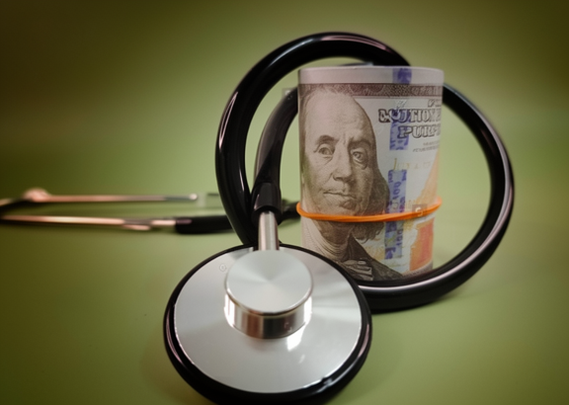
Understanding revision rhinoplasty cost is more complicated than pricing a first-time nose surgery, and if you are considering a second nose surgery price in Korea from abroad, there is even more to factor in. A revision corrects the results of a previous operation, which usually means more complex work, careful reconstruction, and a total budget that extends well beyond the surgical fee itself. At JNB Clinic in Gangnam, Seoul, revision rhinoplasty is performed using your own cartilage to restore stability and proportion, and the final fee is confirmed only after a personalized evaluation. This breakdown explains the factors that determine what you would pay and how to plan realistically as an international patient.
Why Revision Surgery Is Priced Differently
A revision, sometimes called secondary rhinoplasty, is generally more involved than a primary procedure. Scar tissue from the first surgery, altered or weakened anatomy, and limited remaining cartilage all make the operation more demanding. Patients often seek revision after a prior surgery elsewhere for reasons such as unsatisfactory cosmetic results, implant-related problems, asymmetry, contracture, nasal collapse, breathing difficulty, overcorrection, undercorrection, or structural instability.
Because each revision starts from a different set of prior results, no two cases are alike, and there is no flat price. The American Society of Plastic Surgeons (ASPS) explains that rhinoplasty cost varies widely and depends on the surgeon's experience, the type of procedure used, and the geographic location. Mayo Clinic adds that a second surgery may be chosen when small changes from the first operation were not enough, and it advises waiting at least a year before a follow-up procedure because the nose continues to change during healing. Both points underline why a revision fee has to be individualized.
JNB Clinic does not publish a fixed price for revision rhinoplasty. The plan, and therefore the cost, is determined after a comprehensive evaluation. If you would like to begin, you can reach the clinic through its consultation and contact page.
How JNB Clinic Approaches Revision Rhinoplasty
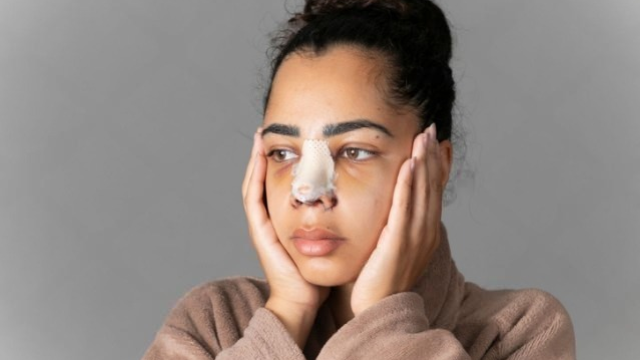
JNB Clinic's revision approach is structural correction using autologous (your own) cartilage to restore stability, proportion, and long-term functional support, including in cases involving prior implant-related complications. The clinic's broader philosophy, summarized as "Beauty that Breathes," avoids silicone and artificial implants in favor of your own tissue.
The evaluation is thorough. According to the clinic, it includes a review of your previous surgeries, an assessment of nasal shape and function, an evaluation of how much usable cartilage remains, and analysis of your skin and soft-tissue condition, supported by 3D-CT imaging. From there, a personalized revision plan is developed. Typical steps include reviewing your surgical history, structural and functional analysis, removing or correcting problematic implants or tissue when necessary, reconstruction with your own cartilage, and then structured postoperative care.
Dr. Kang Ju-Yong, the clinic's Chief Director, is a board-certified otolaryngology (ENT) specialist and rhinoplasty surgeon with over 13 years of experience. He developed the clinic's in-house techniques, including Krib-Co, which uses rib cartilage for full structural reconstruction and is often relevant to complex or revision cases where additional support is needed.
The Factors That Shape Revision Cost
1. Complexity of the previous result
The condition of your nose after the first surgery is the biggest cost driver. Correcting mild asymmetry is very different from rebuilding a collapsed bridge or reversing a contracture. More extensive reconstruction means longer operating time and more cartilage work, which is reflected in the overall plan. The clinic determines the scope only after imaging and examination.
2. Whether an implant must be removed
If your first surgery used a silicone or other synthetic implant, correcting the result may involve removing or revising that implant before reconstruction. This adds a step to the procedure. JNB Clinic's revision method centers on replacing artificial material with your own cartilage to restore natural, stable structure.
3. Cartilage source and availability
Revision cases frequently have less septal cartilage remaining, because some may have been used in the first operation. When more structural material is needed, rib cartilage becomes relevant. At JNB Clinic, rib cartilage is harvested from the lower chest and separated into structural cartilage for the framework and finely diced volume cartilage for shaping. A procedure requiring rib harvesting is more involved than one that can rely on ear or remaining septal cartilage, and that complexity influences the plan.
4. Anesthesia and operating setup
More complex reconstruction typically calls for a deeper level of anesthesia and a longer stay in the operating room. As Mayo Clinic explains, the type of anesthesia in rhinoplasty depends on how complex the surgery is, ranging from local anesthesia with sedation to general anesthesia. The specific approach and its cost at JNB Clinic are confirmed at consultation.
5. Post-surgery care and follow-up
Aftercare is a meaningful part of both value and cost. JNB Clinic offers structured follow-up, and for revision patients the recovery is generally gradual; the clinic states it usually takes about two to six months depending on the complexity of the revision and individual healing, with suture removal typically around postoperative day 7. For international patients, the clinic also provides remote follow-up after you return home. Ask any clinic exactly what aftercare is included when you compare quotes.
The International Patient Budget: Beyond the Surgical Fee
For patients traveling from abroad, the surgical fee is only one line in the budget. The full picture includes several additional considerations.
Travel and length of stay. JNB Clinic advises international patients to plan their stay around follow-up needs, and revision recovery includes suture removal around day 7. Budget for flights, accommodation, meals, and time away from work for the duration of your stay.
Timing your flight home. Both ASPS and CDC caution that travel and surgery each independently raise the risk of blood clots, and that the two combined increase it further. ASPS suggests waiting seven to 10 days after cosmetic procedures of the face, including rhinoplasty, before flying. CDC's Yellow Book echoes that air travel after surgery increases the risk of deep vein thrombosis and pulmonary embolism because travelers remain seated for long periods. Building this waiting period into your plans is both a safety and a budget decision.
Follow-up and complication planning. This is where revision-specific costs can hide. ASPS, in its cosmetic surgery tourism briefing, warns that packages abroad may provide limited follow-up care once the patient returns home, and that revision surgeries can be more complicated than the original operation. CDC similarly advises confirming which services are included in the price, since some overseas facilities charge separately for follow-up, and recommends coordinating local follow-up care and obtaining a complete set of medical records before returning home. For a revision patient, understanding how complications and further follow-up are handled is essential.
Insurance and records. CDC recommends checking whether your domestic health insurance covers any services outside your home country and considering supplemental coverage, including medical evacuation insurance. It also advises requesting copies of your medical records in English so any clinician you see afterward has the details of your care.
What a Revision Fee Typically Includes
Comparing quotes only works when you compare the same components. ASPS lists the parts that a rhinoplasty fee may include: the surgeon's fee, anesthesia fees, hospital or surgical facility costs, medical tests, prescriptions, and post-surgery supplies. The surgeon's fee alone does not cover anesthesia or the facility. When you receive a quote for a revision, ask which of these are bundled and which are billed separately, and confirm whether the price accounts for the extra steps a revision can involve, such as implant removal or rib harvesting.
General Cost Context, and Its Limits
For a reference point, ASPS reports that the average cost of rhinoplasty in the United States is $7,637, covering the surgeon's fee only. This is a primary-surgery average, not a revision figure, and revisions are typically more complex. It is also a U.S. average that varies widely by region, and it is not a quote for JNB Clinic or for Korea. Treat published averages as background for understanding the range and the components of a fee, and rely on a personalized consultation for the number that applies to your case.
Questions to Ask Before You Commit
- Based on my previous surgery, how complex is my revision likely to be?
- Will an existing implant need to be removed, and is that included in the quote?
- What cartilage source do you recommend, and will rib harvesting be required?
- Is the fee all-inclusive, or are anesthesia and facility charges separate?
- How is follow-up handled after I return home, and how are complications managed?
- What are the realistic risks, and could a further procedure be needed later?
ASPS also recommends verifying a surgeon's credentials and experience and choosing an accredited facility. JNB Clinic is a Registered Medical Institution for Attracting Foreign Patients, certified by Korea's Ministry of Health and Welfare. You can learn more about the clinic on its About Us page and view documented outcomes in its before-and-after gallery.
The Bottom Line
- Revision rhinoplasty is usually more complex than a first surgery, so its cost is individualized and depends on the prior result, implant removal, cartilage source, anesthesia, and aftercare.
- International patients should budget for travel, accommodation, a safe waiting period before flying, and follow-up, not just the surgical fee.
- ASPS and CDC both stress confirming what follow-up is included and how complications are handled before you travel.
- Published averages, such as the ASPS U.S. figure, are context only; they are not a JNB Clinic quote and do not reflect revision complexity.
- The one accurate figure for your case comes from a personalized evaluation. You can start with a consultation request.
Frequently Asked Questions
Why does revision rhinoplasty usually cost more than a first surgery?Revisions are generally more complex. Scar tissue, altered anatomy, and limited remaining cartilage make the work more demanding, and correcting a previous implant or collapse adds steps. This complexity is reflected in the individualized plan rather than a flat price.
Does JNB Clinic list a fixed revision rhinoplasty price?No. The clinic confirms the fee only after a comprehensive evaluation that includes reviewing your previous surgery, assessing remaining cartilage, and 3D-CT imaging. Online figures for "revision rhinoplasty in Korea" are general market context, not a JNB Clinic quote.
How long should international patients stay in Korea for a revision?Plan your stay around follow-up needs; the clinic notes that suture removal is typically around postoperative day 7. ASPS also advises waiting seven to 10 days after facial cosmetic procedures, including rhinoplasty, before flying, to reduce the risk of blood clots.
What happens if I have a complication after I fly home?This is important to plan for in advance. CDC recommends coordinating local follow-up care and obtaining your medical records in English before returning home. JNB Clinic provides remote follow-up for international patients, but you should confirm how complications are handled as part of your consultation.
Will my existing implant be removed during the revision?It may be, if your first surgery used a synthetic implant. JNB Clinic's revision approach focuses on removing or correcting problematic implants or tissue when necessary and reconstructing with your own cartilage. Whether this applies to you is determined after examination and imaging.
Is revision covered by insurance?Cosmetic procedures are generally not covered, and coverage abroad is limited. CDC advises checking whether your domestic insurance covers any care outside your home country and considering supplemental and medical evacuation coverage. ASPS notes that rhinoplasty performed to correct breathing may sometimes be considered reconstructive, but this requires evaluation and prior authorization from your insurer.
Who performs revision rhinoplasty at JNB Clinic?Dr. Kang Ju-Yong, Chief Director, is a board-certified otolaryngology (ENT) specialist and rhinoplasty surgeon with over 13 years of experience, and he developed the clinic's autologous cartilage techniques. Mayo Clinic notes that rhinoplasty is commonly performed by plastic surgeons, facial plastic surgeons, or ENTs.
This article is for general informational purposes and does not constitute individualized medical advice. Prices, techniques, and program details should be confirmed directly with JNB Clinic, and any medical or surgical decision should be made in consultation with a qualified clinician. Individual results and recovery vary, and no specific outcome is guaranteed.
More Articles
Continue reading our clinical guides.

Benefits of Stem Cell Therapy for Skin Rejuvenation
Discover the benefits of stem cell therapy for skin rejuvenation, including improved texture, reduced wrinkles, and a more youthful appearance.
Learn More

Recovery After Autologous Cartilage Nose Surgery
Learn what to expect during recovery after autologous cartilage nose surgery, including healing timelines, aftercare tips, and results.
Learn More

Revision Rhinoplasty: Everything You Need to Know Before Your Second Nose Surgery
Revision Rhinoplasty: Learn what to expect from a second nose surgery, including risks, recovery, and results. Explore your options and learn more.
Learn More