Personalized Nasal & Facial Care • Dedicated International Patient Concierge

Medical Guide
Remote Follow-Up Care After Korea Rhinoplasty
How remote follow-up care works after rhinoplasty in Korea: JNB Clinic's 3-phase aftercare, up-to-one-year support, and English teleconsults from the US.
Schedule a ConsultationRemote Follow-Up Care After Korea Rhinoplasty
Medically reviewed by Dr. Kang Ju-Yong, Board-Certified ENT (Otolaryngology) & Rhinoplasty Surgeon, JNB Clinic
Remote follow-up care after Korea rhinoplasty is one of the most important — and most overlooked — parts of planning surgery abroad. If you travel from the United States to Seoul for a nose procedure, you will spend only a short window physically near your surgeon, and then you will return home to heal across an ocean and a 13-to-14-hour time difference. The quality of your recovery depends heavily on what happens after you land back in the US: how you are monitored, how you reach your care team with questions, and how long that support lasts. This article explains how in-person aftercare and remote follow-up fit together, using JNB Clinic in Gangnam, Seoul as a documented example, and what you should confirm before you book.
Why Follow-Up Care Matters More When You Fly Home
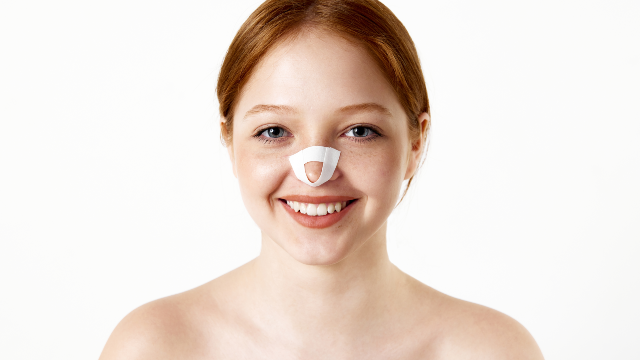
Rhinoplasty is a procedure with a genuinely long recovery arc. Swelling and bruising are heaviest in the first couple of weeks, but the nose continues to refine and settle over many months as tissue heals and the final shape emerges. The American Society of Plastic Surgeons notes that recovery unfolds in stages, with early splint and swelling management giving way to a much longer period of gradual settling, and that patients are typically advised to protect the nose and follow their surgeon's instructions closely throughout.
When your surgeon is in the same city, follow-up is simple: you drive in for a check, a concern gets looked at in person, and adjustments to your aftercare are easy. When your surgeon is in Seoul and you are in New York, Houston, or Los Angeles, that continuity has to be rebuilt deliberately. That is exactly why the CDC's Travelers' Health guidance on medical tourism urges travelers to arrange follow-up care and understand how they will manage complications or questions after returning home — before they ever leave. A structured aftercare plan is not a luxury for international patients; it is the backbone of a safe recovery.
In-Person Aftercare First: JNB's Signature Post-Surgery Care
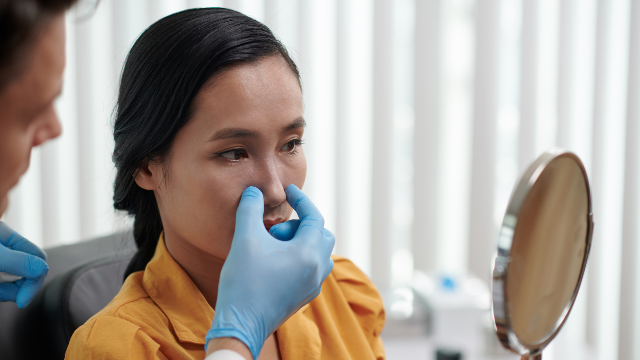
Remote care does not replace hands-on care — it continues it. At JNB Clinic, the documented in-person aftercare protocol is the JNB Signature Post-Surgery Care program, which unfolds across three phases in the days and weeks right after surgery:
- Phase 01 (Day +2): splint removal, hyperbaric oxygen therapy, and Smart LED care.
- Phase 02 (Day +7): suture removal and relay care.
- Phase 03 (about 2 weeks): medical skin scaling and a hyperbaric oxygen refresh.
These phases are the reason international patients are generally advised to plan to stay in Korea for roughly 7 to 10 days after surgery — long enough to attend these scheduled visits before flying home. (Some patients may be able to travel after about a week, but recovery time varies by individual and technique and should be confirmed with the clinic directly.) The hyperbaric oxygen therapy, Smart LED care, and related elements are documented components of this structured program; they are part of the clinic's care schedule rather than promises of a particular healing speed or result.
JNB also describes an All-Care System that may draw on components such as hyperbaric oxygen therapy, IV therapy, LED care, scar management, PRP, and stem-cell therapy "when indicated." Again, these are documented parts of the aftercare menu, applied at the clinic's discretion for individual cases — not guaranteed treatments or claims about outcomes. Whether any specific component applies to you is a clinical decision to discuss during your care.
The key point for planning: your intensive, hands-on aftercare happens in Seoul during that first stay. Remote follow-up begins the moment you leave — and the clinic's documented commitment is that it does not end when you board your flight.
Up-to-One-Year Accompaniment
One of the more meaningful features of JNB's documented aftercare is that the clinic accompanies patients for up to one year post-surgery. Because rhinoplasty results settle gradually over many months, a follow-up relationship that extends across that full window matters. It means your questions during month three or month six are still part of the same continuous care relationship, not a cold restart.
For an international patient, up-to-one-year accompaniment translates into remote follow-up: after your in-person phases in Seoul, the ongoing relationship is maintained through the clinic's communication channels rather than in the exam room. That is the practical shape of "remote follow-up care" — a defined, extended period during which you can check in as healing progresses.
How Remote Follow-Up Actually Works From the US
JNB Clinic operates an English-language website and provides English support for international patients, including post-treatment assistance. Documented communication channels include the clinic's Contact Us page, an online consultation form, email, phone, and WhatsApp. Online and teleconsultation are also available — many patients use a teleconsultation before they ever travel, and the same style of remote consultation supports the relationship afterward.
In practice, remote follow-up from the US tends to look like this:
- Sharing photos. Because a surgeon cannot examine your nose in person once you are home, well-lit photos from consistent angles help your care team follow your progress. Ask the clinic how they prefer to receive images and how those images are stored.
- Teleconsultation check-ins. A scheduled video or messaging consultation lets you review swelling, ask about activities, and raise concerns while healing.
- Written and translated documentation. JNB provides translated documents and English aftercare communication, which helps you keep instructions clear once you are back home.
- A defined point of contact. Using the official channels above keeps your follow-up organized and traceable, rather than scattered across informal messages.
Mind the clock. JNB's hours are weekdays 10:00–19:00 KST and Saturday 10:00–16:00 KST, closed Sundays and Korean public holidays. Korea Standard Time is UTC+9 — 14 hours ahead of US Eastern standard time and 13 hours ahead during US daylight saving. That means Seoul's business hours often fall during the US evening or overnight, so plan non-urgent questions around the time difference and ask the clinic what to do if something urgent arises outside their hours.
Building Your Local Safety Net Too
Remote follow-up with your Seoul clinic is essential, but it should sit alongside a plan for hands-on care where you actually live. The ASPS and CDC both emphasize that traveling for surgery makes local continuity harder, so you should think about it in advance. The US State Department's Your Health Abroad guidance similarly encourages travelers to plan for care needs before and after a trip.
Before you fly, consider:
- Identifying a local physician who can see you if you develop signs of a problem after returning, and understanding what records they would need.
- Carrying your operative and aftercare documentation so any US clinician can understand what was done. Translated documents from JNB help here.
- Knowing the warning signs your surgeon wants reported immediately versus what is expected swelling — and confirming how to reach the clinic quickly if needed.
- Keeping realistic timelines. Because the nose refines over many months, a slow, gradual change is normal; your remote follow-up schedule is designed to track that.
Having both a remote line to your operating team and a local safety net is the combination the CDC's medical-tourism guidance points toward. It is not a sign that anything will go wrong — it is simply how responsible international patients manage distance.
What to Set Up Before You Leave Seoul
The smoothest remote follow-up is one you organize while you are still in Korea, when your care team is in front of you and communication is easy. Before you fly home, it is worth taking a little time to lock down the practical details so that your first weeks back in the US feel supported rather than isolated. Consider handling the following during your final in-person visits:
- Confirm your follow-up schedule. Ask which check-ins the clinic expects to do remotely and roughly when — for example, an early photo review, then periodic teleconsultations as healing progresses across the up-to-one-year window.
- Agree on the communication channel. Decide together whether email, phone, WhatsApp, the online form, or teleconsultation will be your primary line, so you are not guessing later. Save the correct contact details before you leave.
- Collect your documents. Request your operative summary, aftercare instructions, and any translated paperwork in writing. Having these in hand means a US clinician can quickly understand what was done if you ever need local care.
- Clarify photo expectations. Ask how the clinic prefers to receive progress photos, from which angles, and how those images will be stored and used, so your remote reviews are consistent and your privacy is respected.
- Write down your questions list. Note the concerns you want to track — swelling milestones, when you can resume specific activities, and what counts as a reason to reach out urgently.
Setting these expectations in person removes the friction that distance otherwise creates. It also means that when a question comes up during month two or month five, you already know exactly how to reach the team and what to send them. Because every case is different, confirm each of these details directly with the clinic rather than assuming a standard protocol applies to you.
Questions to Ask Before You Book
Because specifics can vary by case and should be confirmed directly, bring a clear list to your consultation. You can start the conversation through the clinic's contact page or learn more about the practice on the JNB Clinic website:
- How long is the in-person aftercare stay recommended for my specific technique?
- After I return home, how will follow-up work — teleconsultation, photos, messaging, or a mix?
- What is the process and expected response window for reaching the team across the time difference?
- How should I handle an urgent concern that arises outside Seoul business hours?
- What does the up-to-one-year accompaniment include for an international patient?
- How are my photos and records stored and shared for remote follow-up?
The Bottom Line
- Remote follow-up care after Korea rhinoplasty is the bridge between your short in-person stay in Seoul and your long recovery back home — plan it before you travel, not after.
- JNB Clinic's documented aftercare pairs the three-phase JNB Signature Post-Surgery Care program (in person, over roughly 7–10 days) with accompaniment for up to one year post-surgery.
- English-language remote follow-up is supported through the clinic's Contact Us page, online form, email, phone, WhatsApp, and teleconsultation, subject to the KST time difference.
- HBOT, Smart LED, PRP, and related elements are documented components of JNB's aftercare program applied when indicated — not guarantees of a specific healing speed or result.
- Build a local safety net in the US too, and confirm all specifics directly with the clinic, as recovery timelines vary by individual and technique.
Frequently Asked Questions
How long does JNB Clinic support patients after rhinoplasty?The clinic's documented commitment is to accompany patients for up to one year after surgery. For international patients, this ongoing relationship is maintained largely through remote follow-up once you return home.
How many days should I stay in Korea after surgery?International patients are generally advised to plan for roughly 7 to 10 days in Korea to attend the in-person phases of the JNB Signature Post-Surgery Care program. Some patients may travel after about a week, but this varies by individual and technique and should be confirmed with the clinic.
Can I do follow-up appointments from the US in English?Yes. JNB Clinic provides English-language support and post-treatment assistance, and online/teleconsultation is available. Documented channels include the Contact Us page, an online consultation form, email, phone, and WhatsApp.
What are the three phases of JNB Signature Post-Surgery Care?Phase 01 (Day +2) includes splint removal, hyperbaric oxygen therapy, and Smart LED care; Phase 02 (Day +7) includes suture removal and relay care; Phase 03 (about 2 weeks) includes medical skin scaling and a hyperbaric oxygen refresh.
Do the HBOT, LED, or PRP treatments speed up my healing?These are documented components of JNB's structured aftercare program, applied when indicated for individual cases. This article does not make claims about how they affect healing speed or outcomes — discuss what applies to you with the clinic.
How do I handle the time difference when contacting the clinic?Seoul runs on Korea Standard Time (UTC+9), which is 13–14 hours ahead of US time. Clinic hours are weekdays 10:00–19:00 and Saturday 10:00–16:00 KST, closed Sundays and Korean holidays. Plan non-urgent messages around this, and ask the clinic how to handle urgent concerns outside those hours.
Should I also see a doctor in the US after returning?It is wise to identify a local physician and carry your operative and aftercare documentation so any US clinician can understand your case. This local safety net complements — but does not replace — your remote follow-up with the operating team.
This article is for general informational purposes and does not constitute individualized medical, legal, tax, or financial advice. Consult the appropriate qualified professional and confirm specifics with JNB Clinic.
More Articles
Continue reading our clinical guides.

Benefits of Stem Cell Therapy for Skin Rejuvenation
Discover the benefits of stem cell therapy for skin rejuvenation, including improved texture, reduced wrinkles, and a more youthful appearance.
Learn More

Recovery After Autologous Cartilage Nose Surgery
Learn what to expect during recovery after autologous cartilage nose surgery, including healing timelines, aftercare tips, and results.
Learn More
Revision Rhinoplasty: Everything You Need to Know Before Your Second Nose Surgery
Revision Rhinoplasty: Learn what to expect from a second nose surgery, including risks, recovery, and results. Explore your options and learn more.
Learn More