Personalized Nasal & Facial Care • Dedicated International Patient Concierge

Medical Guide
Potenza RF Microneedling for Skin Texture and Laxity
Potenza RF microneedling pairs microneedles with radiofrequency for skin texture and mild laxity. Learn how it works, downtime, and risks in darker skin.
Schedule a ConsultationPotenza RF Microneedling for Skin Texture and Laxity
Medically reviewed by Dr. Kang Ju-Yong, Korean Board-Certified Otorhinolaryngologist (ENT Specialist)
Potenza is a radiofrequency (RF) microneedling device used to address skin texture, enlarged-looking pores, and mild skin laxity. It works by combining fine microneedles with radiofrequency energy delivered beneath the skin's surface. This article explains the mechanism, what a session and recovery involve, and an especially important safety consideration for people with melanin-rich skin. It is educational and does not replace an in-person consultation.
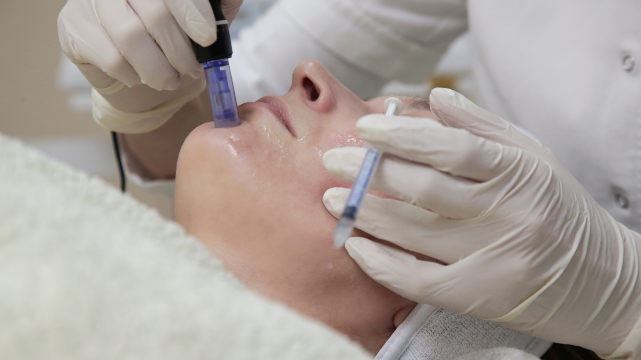
What Potenza RF Microneedling Is
Potenza is an RF microneedling system made by Cynosure and offered at JNB Clinic as part of its non-surgical treatment options. Radiofrequency microneedling is a category of aesthetic treatment that pairs two mechanisms: mechanical microneedling and radiofrequency heating. The idea is to stimulate the skin's natural repair and remodeling processes to improve texture and firmness over a series of sessions.
Unlike a surgical procedure, RF microneedling does not cut or reposition tissue. Instead, it creates controlled micro-injuries and delivers heat at adjustable depths, prompting the skin to respond by producing new collagen. Because the improvement depends on your body's healing response, changes tend to be gradual and partial rather than immediate or complete.
Regulatory Status: US-FDA-Cleared
For patients from the United States, a helpful distinction is that Potenza is a U.S. FDA-cleared radiofrequency microneedling device. The FDA regulates microneedling devices and, more specifically, RF microneedling systems, and provides public information on what these devices are cleared to do.
It is useful to understand what "cleared" means. Aesthetic devices in the United States typically reach the market through the FDA's 510(k) clearance pathway, which establishes that a device is substantially equivalent to a legally marketed one. "Cleared" is not the same as "approved," a term used for certain drugs and higher-risk devices, and neither term is a guarantee of a specific cosmetic result. If you have questions about the specific device and its cleared uses, you can contact JNB Clinic before your visit.
How the Technology Works
RF microneedling has two working parts. First, an array of fine microneedles penetrates the skin to a chosen depth, creating controlled micro-channels. Second, radiofrequency energy is delivered through those needles, producing heat in the targeted layers of the skin.
The combination is intended to do more than microneedling alone. The micro-injuries themselves prompt a wound-healing response, while the radiofrequency heat adds a thermal stimulus that can encourage collagen production and tissue remodeling. On Potenza, the needle depth and energy settings are adjustable, so a provider can tailor the treatment to the area and concern being addressed. Independent reviews of radiofrequency microneedling describe its use across facial areas for concerns such as skin texture and photoaging, with collagen stimulation as the shared underlying goal.
What It Can Address
Potenza RF microneedling is generally used for skin texture and tone concerns, the appearance of enlarged pores, and mild skin laxity. Some protocols also target the appearance of certain scars. The overarching aim is a smoother, firmer-looking skin surface achieved gradually.
Realistic framing matters here. RF microneedling typically produces partial, gradual improvement rather than a dramatic or total change, and outcomes vary considerably from person to person. It is not a surgical facelift and cannot remove excess skin or reposition deeper tissue. For mild laxity it may offer subtle firming; for significant sagging, other approaches would need to be discussed.
The Critical Consideration for Melanin-Rich Skin
This is the most important safety point in this article. People with melanin-rich skin—often described using Fitzpatrick skin types IV through VI—carry a higher risk of post-inflammatory hyperpigmentation (PIH) after energy-based and needle-based skin procedures. PIH is darkening of the skin that develops after inflammation or injury, and it can appear following aesthetic treatments.
Research on PIH confirms that it affects all skin tones but has a heightened predilection for darker Fitzpatrick skin types, and that a large share of treatment-related PIH in published cases has followed energy-based procedures. This does not mean people with darker skin cannot be treated—many are treated successfully—but it does mean the approach must be more cautious and individualized.
Practical measures that a careful provider may consider include performing a test spot before full treatment, starting with conservative settings and adjusting gradually, and placing strong emphasis on sun protection before and after treatment. Systematic reviews of PIH prevention in skin of color have found that sunscreen is the most consistently supported preventive measure. A pre-treatment assessment of your skin type is essential, and you should raise your skin tone and any history of hyperpigmentation with your provider. You can review the clinic's services on the JNB Clinic website and discuss your skin type at consultation.
Who May Be a Candidate
Candidacy is individual and determined at consultation. RF microneedling is generally considered for people seeking improvement in skin texture, pore appearance, or mild laxity who understand that results are gradual and partial. A consultation at JNB Clinic includes an assessment of your skin condition, elasticity, and goals.
Some people are not suitable candidates. Active skin infection or inflammation in the treatment area, certain skin conditions, a tendency to keloid or abnormal scarring, and some medical conditions or medications may make treatment inappropriate or require caution. As noted above, a careful assessment of skin type is particularly important for those at higher risk of PIH. Only an in-person evaluation can determine whether the treatment fits your situation.
What a Session Involves
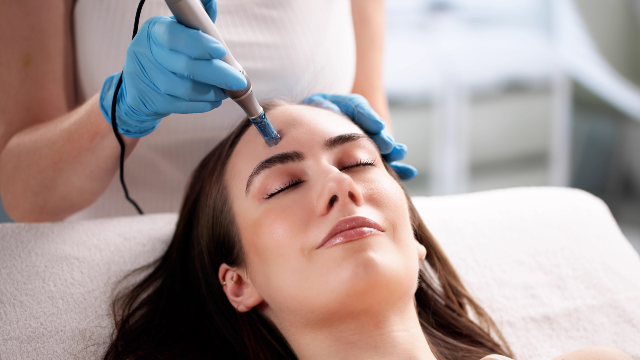
A session usually starts with cleansing the treatment area and applying a topical numbing cream, since the microneedling component can cause discomfort. Once the area is numb, the provider passes the device over the skin, delivering radiofrequency energy through the microneedles at the planned depth and settings.
The number of passes, the depth, and the energy level are individualized to the area and concern. RF microneedling is typically done as a short series of sessions spaced apart rather than a single treatment, because collagen remodeling accumulates over time. Your provider will outline a plan suited to your skin.
Downtime and Recovery
RF microneedling involves more downtime than some purely energy-based treatments because the needles penetrate the skin. It is common to have redness, mild swelling, and pinpoint bleeding or a sensation of warmth for a short period. Redness after Potenza RF microneedling commonly lasts a few days, though this varies.
Aftercare generally emphasizes gentle skin care, avoiding irritation and heat exposure such as saunas, and diligent sun protection. For anyone at higher risk of PIH, strict sun avoidance and sunscreen use are especially important during healing. Your provider will give you personalized instructions, and you should report any unusual or persistent reactions. If you are traveling for treatment, allow time for the initial redness to settle before events where you would prefer not to have visible redness.
Realistic Results and Limitations
Because RF microneedling works by stimulating collagen and tissue remodeling, results build gradually over weeks to months and often across a series of sessions. Studies of radiofrequency microneedling report improvements in measures such as skin texture and elasticity for many patients, but outcomes are not uniform and cannot be guaranteed for any individual.
The improvement is typically partial rather than complete, and it does not stop the natural aging process. RF microneedling is not a facelift and will not achieve what surgery can for significant laxity. Maintenance treatments may be discussed over time. Setting realistic expectations at the outset is one of the most useful things you can do.
Risks and Side Effects
Beyond the expected temporary redness, swelling, and pinpoint bleeding, RF microneedling carries other potential risks. These can include prolonged redness, bruising, itching or burning sensations during healing, and, in some cases, infection if aftercare is not followed. Scarring is uncommon but possible, particularly in people prone to abnormal scarring.
The most emphasized risk for melanin-rich skin is post-inflammatory hyperpigmentation, discussed above. Because settings, depth, and technique influence risk, treatment should be performed by a qualified provider after an individualized assessment, with conservative settings and test spots considered where appropriate. Share your full medical and skin history, including any history of pigmentation problems, before you proceed.
The Bottom Line
- Potenza is a U.S. FDA-cleared RF microneedling device that combines fine microneedles with radiofrequency energy to address skin texture, pore appearance, and mild laxity.
- Improvement is gradual and partial, builds over a series of sessions, and varies between individuals; it is not a surgical facelift and cannot remove excess skin.
- People with melanin-rich skin (Fitzpatrick IV–VI) have a higher risk of post-inflammatory hyperpigmentation, so test spots, conservative settings, and strong sun protection are important.
- Expected downtime includes redness and pinpoint bleeding for a few days; less common risks include prolonged redness, infection, scarring, and pigment changes.
- Candidacy and a treatment plan should be established through an individualized, in-person consultation.
Frequently Asked Questions
Is Potenza FDA-cleared?
Yes. Potenza is a U.S. FDA-cleared radiofrequency microneedling device. It is helpful to note that "cleared" is a specific regulatory term—it is not the same as "approved," and it is not a guarantee of a particular cosmetic result. Ask the clinic about the device's specific cleared uses if that is important to you.
Why is skin tone important before treatment?
People with melanin-rich skin, often described as Fitzpatrick types IV through VI, have a higher risk of post-inflammatory hyperpigmentation after energy-based and needle-based procedures. This is why a careful assessment of your skin type, along with test spots, conservative settings, and strict sun protection, is emphasized. Always tell your provider your skin type and any history of pigmentation issues.
How much downtime should I expect?
RF microneedling involves some downtime because the needles penetrate the skin. Redness, mild swelling, and pinpoint bleeding are common, and redness commonly lasts a few days, though this varies. Diligent sun protection during healing is important, especially for those at higher risk of pigmentation changes.
Is RF microneedling a facelift?
No. RF microneedling is a non-surgical treatment intended to improve texture and provide modest firming. It does not remove excess skin or reposition deeper tissue as a surgical facelift does. For significant sagging, other options would need to be discussed with a qualified provider.
How many sessions will I need?
RF microneedling is typically performed as a short series of sessions rather than a single treatment, because collagen remodeling accumulates over time. The exact number is individualized to your skin and goals and is best determined at consultation. Maintenance treatments may also be discussed over the longer term.
When will I see results?
Because the treatment stimulates collagen and tissue remodeling, changes develop gradually over weeks to months and often across multiple sessions. Improvement is usually partial rather than complete, and outcomes vary from person to person and cannot be guaranteed.
Does it hurt?
A topical numbing cream is typically applied before treatment because of the microneedling component, which helps with comfort. Sensation still varies from person to person and depends on the depth and settings used. Your provider can discuss comfort measures during your consultation.
This article is for general educational purposes about aesthetic dermatology and non-surgical skin treatments only. It does not constitute medical advice, and individual results, risks, and candidacy vary. Always consult a qualified medical professional in person before making any treatment decision. It is not a self-diagnosis tool.
More Articles
Continue reading our clinical guides.

Benefits of Stem Cell Therapy for Skin Rejuvenation
Discover the benefits of stem cell therapy for skin rejuvenation, including improved texture, reduced wrinkles, and a more youthful appearance.
Learn More

Recovery After Autologous Cartilage Nose Surgery
Learn what to expect during recovery after autologous cartilage nose surgery, including healing timelines, aftercare tips, and results.
Learn More
Revision Rhinoplasty: Everything You Need to Know Before Your Second Nose Surgery
Revision Rhinoplasty: Learn what to expect from a second nose surgery, including risks, recovery, and results. Explore your options and learn more.
Learn More