Personalized Nasal & Facial Care • Dedicated International Patient Concierge
Medical Guide
Planning Seoul Rhinoplasty Around US Holidays
How to time your Seoul rhinoplasty around US holidays, JNB Clinic's closed days and hours, and the recovery window so downtime is absorbed.
Schedule a ConsultationPlanning Seoul Rhinoplasty Around US Holidays
Medically reviewed by Dr. Kang Ju-Yong, Board-Certified ENT (Otolaryngology) & Rhinoplasty Surgeon, JNB Clinic
Planning a Seoul rhinoplasty around US holidays is one of the smartest logistical moves a US patient can make, because holidays and accrued time off can absorb much of the early recovery window without requiring you to burn through your entire vacation balance. To make it work, you need to line up three calendars at once: the US holiday schedule that gives you time away from work, JNB Clinic's operating hours and documented closed days in Seoul, and the recovery timeline that follows surgery. When those three fit together well, you travel with confidence, attend your follow-up visits, and return home during a natural break rather than scrambling back to work with a splint still on. This guide shows you how to align all three, using the clinic's documented hours and closed days and general recovery guidance, so your downtime is planned rather than improvised.
Why holiday timing is worth planning
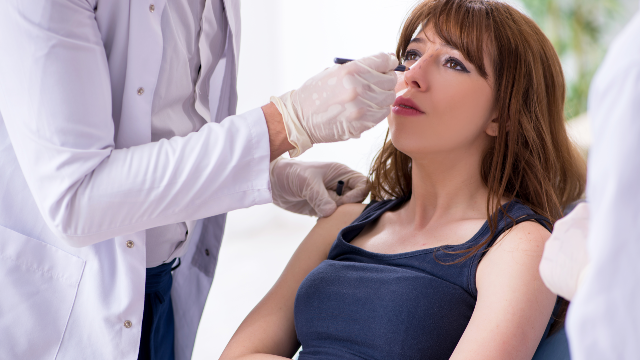
Rhinoplasty is not a same-day, walk-out-and-resume-life procedure. There is an early recovery period during which swelling and bruising are expected, activity is limited, and follow-up care matters. For an international patient, that early period largely happens in Korea, followed by a longer, gentler tail of healing back home. Aligning surgery with a US holiday stretch — or with time off you take around one — lets you fold the most restrictive days into a period you would not have been working anyway.
The benefits are practical. You reduce the number of workdays you need to request, you give yourself a calmer mental runway to rest, and you avoid the pressure of rushing key follow-up appointments. The US Centers for Disease Control and Prevention encourages people considering care abroad to plan the trip thoroughly and build in enough time for recovery and follow-up before returning home. Holidays are simply a convenient anchor for that planning. The goal is not to travel on the busiest possible dates, but to position the restrictive part of recovery inside time you already have.
Understand JNB Clinic's hours and time zone
Before you can schedule anything, you need to think in Seoul time. JNB Clinic is located in Gangnam, Seoul, and its documented hours are weekdays from 10:00 to 19:00 KST and Saturday from 10:00 to 16:00 KST. Korea Standard Time is UTC+9, which puts Seoul 14 hours ahead of US Eastern Time during standard time and 13 hours ahead when the US is on daylight saving time.
That gap matters for two reasons. First, when you are arranging consultations or messaging the clinic from home before you travel, a late-morning appointment in Seoul falls in the evening of the previous US day on the East Coast, and even earlier for the Central, Mountain, and Pacific zones. Planning around the time difference avoids missed calls and delayed replies. Second, once you arrive, your appointments will run on Seoul business hours, so factoring jet lag and the local clock into your first day or two helps you arrive rested for consultation and surgery. JNB Clinic offers online and teleconsultation before you travel, which is a helpful way to handle the pre-trip conversation across time zones without a rushed live call.
JNB Clinic's closed days: Sundays and Korean public holidays
The single most important scheduling fact is this: JNB Clinic is closed on Sundays and on Korean public holidays. If your surgery, splint removal, or a follow-up check would otherwise land on one of those days, the schedule has to shift around it. This is different from planning around US holidays — the days off that matter for the clinic are Korean, not American.
Korea observes a number of public holidays through the year, and some, such as Seollal (Lunar New Year) and Chuseok (the autumn harvest holiday), follow the lunar calendar and move from year to year, sometimes spanning several consecutive days. Because these dates shift and because closures can affect the days immediately around a multi-day holiday, you should not assume any particular date is a working day. Confirm your exact surgery date and every follow-up date directly with JNB Clinic, and cross-check that none of your critical appointments fall on a Sunday or a Korean holiday. Building your itinerary around confirmed clinic-open days protects the follow-up schedule that early recovery depends on.
A simple way to keep this straight is to map your planned in-country days against the clinic's open days:
- Mark weekdays (10:00–19:00 KST) as full appointment days.
- Treat Saturday (10:00–16:00 KST) as a shorter window.
- Block out Sundays and Korean public holidays as closed.
- Confirm with the clinic whether the days immediately surrounding a multi-day Korean holiday are affected.
The recovery window you are planning around
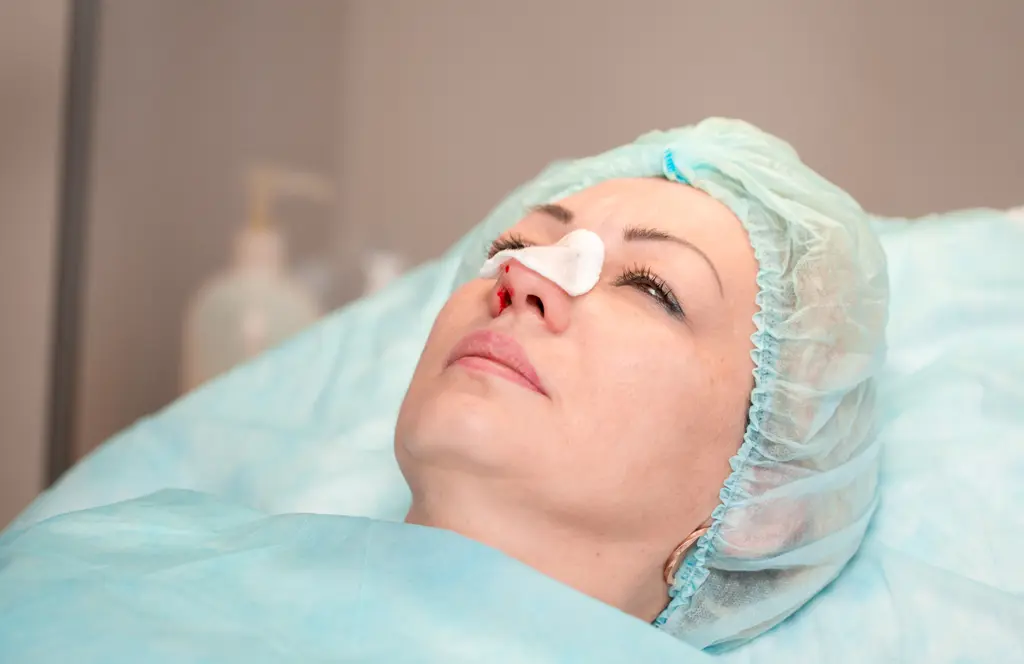
To fit surgery into your time off, you need a realistic picture of recovery. General guidance from the American Society of Plastic Surgeons and from Mayo Clinic describes rhinoplasty recovery as gradual: swelling and bruising are expected in the early period, a splint or support is typically worn for the first week or so, and the more visible swelling improves over the following weeks, while subtle swelling — especially around the tip — can take many months to fully settle. The nose continues to refine over an extended period after the obvious signs of surgery have faded.
For international patients specifically, JNB Clinic asks that you plan to stay in Korea for roughly seven to ten days after surgery to attend follow-up visits, splint care, and recovery checks before traveling home. Some patients may be able to travel after about one week, though this varies with the individual and the technique used and should be confirmed with the clinic. The clinic's documented aftercare program, JNB Signature Post-Surgery Care, is structured across phases in the days and weeks after surgery, including a step around Day+2, a step around Day+7, and a step at about two weeks. JNB Clinic also accompanies patients for up to one year post-surgery, with English-language follow-up available through its channels after you return home.
Put together, the timeline you are planning around looks roughly like this:
- Days in Korea after surgery: about 7–10, for follow-up and splint care (confirm with the clinic).
- First week or so: splint or support worn; visible swelling and bruising expected.
- Following weeks: more noticeable swelling improves; light activity resumes gradually.
- Months afterward: subtle swelling continues to settle and the final shape refines.
Because everyone heals differently, treat these as general expectations rather than promises. Individual results vary and are not guaranteed, and all surgical and non-surgical procedures carry risks.
Matching US holidays to your downtime
The strategy is to place the most restrictive part of recovery — the in-Korea stay and the first week or two afterward — over time you already have off. US patients can anchor to several natural windows across the year:
- Late-year holidays. The stretch around Thanksgiving through the end-of-year holidays often includes several company closure days plus accrued vacation, which can create a longer continuous block. This can absorb both the in-country stay and part of the at-home settling period.
- Long weekends extended with vacation. Holidays such as Memorial Day, Independence Day, or Labor Day can be extended with a few requested days on either side to build a workable block without spending your full annual leave.
- Personal or floating holidays. Many employers offer floating days that you can attach to a public holiday to lengthen your window.
- Slow seasons at work. If your role has a predictable quiet period, pairing it with a holiday can maximize genuine rest.
The key is to count backward and forward from your confirmed surgery date. Ensure your return flight lands after the in-Korea follow-up period the clinic recommends, and try to keep your first days back home light. Remember that the clinic's Korean closed days, not US holidays, dictate which Seoul dates are actually available — so build the US side of your plan around dates the clinic has confirmed are open.
Sample ways to structure the calendar
Here is a general framework you can adapt with the clinic's confirmation:
- Handle the consultation before you fly. Use JNB Clinic's online or teleconsultation to discuss your goals and the plan across time zones, so your in-country days are focused on care rather than an initial assessment.
- Anchor surgery to an open weekday. Choose a surgery date on a clinic-open day, ideally early enough in your trip that all follow-up visits also fall on open days before you leave.
- Keep the in-country follow-up window intact. Plan for roughly seven to ten days in Korea after surgery, verifying that splint removal and follow-up checks do not collide with a Sunday or Korean holiday.
- Return into US time off. Aim to land back home during holiday time or accrued leave, keeping the first days quiet so your body continues settling without work pressure.
- Preserve at-home follow-up. Arrange how you will stay in touch with the clinic after returning, using its English-language follow-up channels.
Building in buffer for the unexpected
Even a well-built plan should have slack in it. Healing timelines vary, flights get delayed, and you may simply want an extra rest day before a long journey home. The CDC and the US Department of State both encourage travelers to prepare for the unexpected when seeking care abroad — including understanding your health coverage, keeping key documents accessible, and knowing how you would handle a change of plans. A day or two of buffer at the end of your stay, and a lighter-than-normal first week back at work, are inexpensive insurance against a schedule that turns out tighter than hoped.
It also helps to confirm the small logistics: how you will reach the clinic if a question arises, how follow-up will continue once you are home, and who to contact if a Korean holiday affects an appointment you were counting on. Clarifying these before you travel keeps a holiday-anchored plan from unraveling over a detail.
Booking your consultation and confirming dates
The dependable way to lock in a plan is to work the dates out directly with the clinic. JNB Clinic provides English-language support for international patients, including online and teleconsultation before you travel, so you can settle the schedule from home. You can start the conversation through the JNB Clinic website or the Contact Us page, which lists ways to reach the clinic including the online consultation form, email, phone, and WhatsApp. When you reach out, confirm your surgery date, every follow-up date, and whether any of them fall near a Korean public holiday, and share the US time off you are working around so the team can help you position recovery inside it.
The Bottom Line
- Align three calendars: US holidays and time off, JNB Clinic's Seoul hours and closed days, and the rhinoplasty recovery window, so the most restrictive days land inside time you already have.
- JNB Clinic is open weekdays 10:00–19:00 and Saturday 10:00–16:00 KST, and is closed on Sundays and Korean public holidays; Seoul is 13–14 hours ahead of US Eastern Time.
- Plan for roughly seven to ten days in Korea after surgery for follow-up and splint care, and confirm no critical appointment falls on a Korean holiday or Sunday.
- Anchor your return so you land back home during holiday time or accrued leave, keeping the first days light while subtle swelling continues to settle over the months ahead.
- Confirm every surgery and follow-up date directly with JNB Clinic, and build in a day or two of buffer for the unexpected.
Frequently Asked Questions
Why plan my rhinoplasty around US holidays?Holidays and accrued time off can absorb the most restrictive part of recovery without spending your entire vacation balance. Positioning the in-Korea stay and the first week or two afterward inside time you already have off reduces workdays requested and gives you a calmer runway to rest.
What are JNB Clinic's hours and time zone?JNB Clinic is open weekdays 10:00–19:00 KST and Saturday 10:00–16:00 KST. Korea Standard Time is UTC+9, which is 14 hours ahead of US Eastern Time during standard time and 13 hours ahead during US daylight saving time.
Which days is the clinic closed?JNB Clinic is closed on Sundays and on Korean public holidays. Some Korean holidays follow the lunar calendar and move each year, sometimes spanning several days, so confirm your dates directly and make sure no critical appointment lands on a closed day.
How long should I stay in Korea after surgery?Plan for roughly seven to ten days in Korea after surgery to attend follow-up visits, splint care, and recovery checks. Some patients may travel after about one week, though this varies by individual and technique and should be confirmed with the clinic.
When can I expect to look and feel more normal?General guidance describes recovery as gradual: a splint is typically worn for about the first week, visible swelling and bruising improve over the following weeks, and subtle swelling can take many months to fully settle. Individual results vary and are not guaranteed.
Do Korean holidays or US holidays decide my available surgery dates?Korean holidays and Sundays determine which Seoul dates the clinic is open, so they govern your available surgery and follow-up dates. US holidays are what you use to arrange your time off. Build the US side of your plan around dates the clinic confirms are open.
Should I build in extra buffer days?Yes. Healing timelines vary and travel can be unpredictable. A day or two of buffer at the end of your stay and a lighter first week back at work help protect your plan if recovery or logistics turn out tighter than expected.
How do I confirm my schedule with JNB Clinic?Use the clinic's English-language channels. Online and teleconsultation are available before you travel, and you can reach out through the website or the Contact Us page, which lists the online consultation form, email, phone, and WhatsApp. Confirm your surgery date, all follow-ups, and any holiday overlaps in advance.
This article is for general informational purposes and does not constitute individualized medical, legal, tax, or financial advice. Consult the appropriate qualified professional and confirm specifics with JNB Clinic.
More Articles
Continue reading our clinical guides.

Benefits of Stem Cell Therapy for Skin Rejuvenation
Discover the benefits of stem cell therapy for skin rejuvenation, including improved texture, reduced wrinkles, and a more youthful appearance.
Learn More

Recovery After Autologous Cartilage Nose Surgery
Learn what to expect during recovery after autologous cartilage nose surgery, including healing timelines, aftercare tips, and results.
Learn More
Revision Rhinoplasty: Everything You Need to Know Before Your Second Nose Surgery
Revision Rhinoplasty: Learn what to expect from a second nose surgery, including risks, recovery, and results. Explore your options and learn more.
Learn More