Personalized Nasal & Facial Care • Dedicated International Patient Concierge

Medical Guide
Payment Methods for International Rhinoplasty Patients
A practical guide to payment logistics for international rhinoplasty patients in Seoul: currency, deposits, cards, and what to confirm with JNB Clinic.
Schedule a ConsultationPayment Methods for International Rhinoplasty Patients
Medically reviewed by Dr. Kang Ju-Yong, Board-Certified ENT (Otolaryngology) & Rhinoplasty Surgeon, JNB Clinic
Understanding payment methods for international rhinoplasty patients is one of the more practical parts of planning surgery abroad, and it is worth thinking through before you ever board a plane. When you travel from the United States to Seoul for a procedure, you are not only crossing time zones; you are also moving between banking systems, currencies, and consumer-protection frameworks. None of that has to be intimidating. With a little preparation, you can arrange your finances so that the payment side of your trip is quiet and predictable, letting you focus on your consultation, your surgery, and your recovery.
This article walks through the general logistics that most patients traveling overseas for elective surgery encounter: how currency works when you pay a clinic in another country, what a deposit typically represents, which payment methods are commonly accepted, and how to protect yourself as a consumer. Throughout, one point matters more than any other: the specific payment options accepted at JNB Clinic are something you should confirm directly with the clinic. This guide does not quote any figures, prices, or clinic-specific policies, because those details can change and must come from the source. Treat what follows as background education so that when you contact the clinic, you already know the right questions to ask.
Why Payment Planning Deserves Early Attention
For a domestic procedure, payment is often an afterthought: you hand over a card, and the transaction clears in seconds. Cross-border care adds a few extra layers. You may be dealing with a different local currency, international transaction processing, foreign exchange, and the timing of when funds are expected. Sorting these out early protects your trip. If a payment is declined at an inconvenient moment because your bank flagged it as suspicious, or if a transfer takes longer than expected to settle, the resulting stress is entirely avoidable.
The U.S. Centers for Disease Control and Prevention (CDC) and the U.S. Department of State both encourage travelers who plan medical care abroad to research the practical and financial details of their trip well in advance. Payment logistics belong on that pre-travel checklist alongside your passport, travel insurance, and accommodation. Building in time to talk to your bank and to the clinic means fewer surprises once you arrive in Seoul.
Currency: Paying a Clinic in Another Country
South Korea's currency is the Korean won (KRW). When a clinic in Seoul quotes a fee, it will generally be denominated in won, even if you have been reviewing information in English. This has a few practical implications for a U.S. patient:
- Exchange rates fluctuate. The relationship between the U.S. dollar and the Korean won moves daily. The amount in dollars that corresponds to a won figure today may differ slightly from the amount next week. Keep this in mind when budgeting; build in a modest cushion so a small currency shift does not derail your plans.
- Your bank or card sets the conversion. When you pay in a foreign currency, the conversion from won to dollars is typically handled by your card network or bank, not by the clinic. That conversion may include a foreign transaction fee. Ask your bank in advance whether such a fee applies and how it is calculated.
- "Dynamic currency conversion" is a choice. At some point of sale, you may be asked whether you want to be charged in won or in dollars. Choosing to be charged in your home currency can sometimes carry a less favorable rate. It is reasonable to ask which option is more transparent before you decide.
Because currency handling depends on your specific bank and card, the most reliable approach is to call your financial institution before you travel and ask exactly how international purchases and any won-denominated transactions will be processed.
What a Deposit Typically Represents
Many clinics that serve international patients ask for a deposit to hold a surgery date. Conceptually, a deposit is a good-faith payment that reserves your slot on the surgeon's calendar and signals that you intend to proceed. Because you may be booking flights and accommodation around a fixed date, a confirmed reservation benefits you as much as the clinic.
A few general principles apply to deposits in any cross-border setting:
- Understand what the deposit reserves and whether it is applied to the total. In many arrangements, a deposit is credited toward the overall fee rather than being an extra charge.
- Ask about refundability and timing. Policies on whether, and under what conditions, a deposit can be refunded or transferred to a new date vary widely. Get the terms in writing.
- Match the deposit to your travel commitments. Try not to book non-refundable flights before you understand the clinic's date-confirmation and rescheduling terms.
The exact deposit structure at JNB Clinic — whether one is requested, how much, in what currency, and by what method — is not something this article can state. Payment options for JNB Clinic are best confirmed directly with the clinic through its official channels. You can begin that conversation on the JNB Clinic contact page, where the team can walk you through their current process in English.
Common Payment Methods Patients Encounter
Across the medical-travel landscape, patients generally encounter a handful of payment methods. Knowing the trade-offs of each helps you decide what to ask about:
- Credit cards. Widely accepted and convenient, credit cards also carry meaningful consumer protections in the United States (more on that below). They may involve foreign transaction fees and are subject to your credit limit.
- Debit cards. These draw directly from your bank account. They can be convenient but typically offer fewer dispute protections than credit cards, and daily limits may apply.
- International bank transfers (wire transfers). For larger sums, a bank-to-bank transfer is common. Transfers can take one or more business days to settle and usually carry sending and sometimes receiving fees. Double-check recipient details carefully, because transfers are hard to reverse.
- Cash. Carrying large amounts of cash across borders is generally discouraged for safety reasons and may trigger customs declaration requirements. It is rarely the most practical way to settle a significant medical fee.
Each method has a different fee profile, settlement time, and level of protection. There is no single right answer; the best choice depends on the amount, the timing, and the specific methods a given clinic accepts. Again, which of these JNB Clinic accepts is a "confirm directly" item.
Credit Cards and Consumer Protection
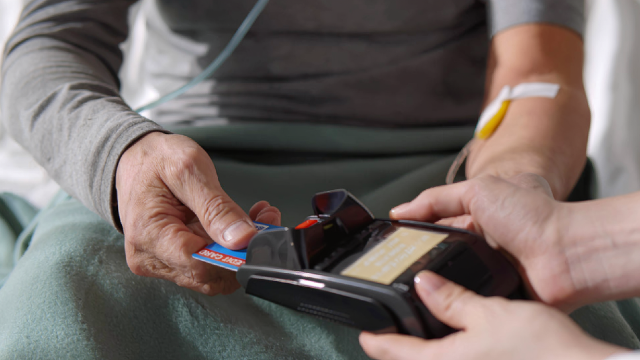
If you pay with a credit card, U.S. law gives you tools that are worth understanding. The Federal Trade Commission (FTC) explains that credit card users have specific rights when it comes to billing errors and disputes. Under the framework the FTC describes, you can dispute certain charges — for example, billing errors or charges for goods or services you did not receive as agreed — by notifying your card issuer in writing, generally within a set time window after the statement date. While the dispute is investigated, you typically are not required to pay the disputed amount.
These protections are a genuine advantage of paying by credit card, but they come with practical caveats in a cross-border context:
- Keep thorough records. Save receipts, written estimates, appointment confirmations, and any correspondence. If you ever need to raise a dispute, documentation is your strongest asset.
- Notify your issuer promptly if something is wrong. The FTC emphasizes acting within the required timeframe and following the written-notice procedures your issuer requires.
- Understand the limits of a dispute. A billing-dispute process addresses charges and billing accuracy; it is not a substitute for the informed-consent conversation and medical-quality questions you should work through with the clinic separately.
- Watch for fraud protections. Credit cards generally cap your liability for unauthorized charges, another reason many international patients prefer them for large transactions.
Before you travel, tell your card issuer your travel dates and destination so a legitimate charge in Seoul is not automatically blocked. Ask about your foreign transaction fee, your available limit, and how to reach the issuer from abroad if a problem arises.
Protecting Yourself: A Consumer Checklist
Both the FTC and the State Department stress that a little diligence protects your money when you travel. A practical checklist for the payment side of a rhinoplasty trip includes:
- Confirm the clinic's accepted payment methods, currency, and any deposit terms in writing before you travel.
- Ask which costs are included in a quoted fee and which are separate, so you can plan a complete budget.
- Verify contact details and official channels so you are dealing directly with the clinic rather than a third party you cannot verify.
- Keep every receipt and written communication in one place, digitally and on paper.
- Tell your bank and card issuer about your trip, and confirm fees and daily limits.
- Set aside a modest financial cushion for exchange-rate movement and incidental travel costs.
You can review the clinic's services and philosophy on the JNB Clinic website and then use its official contact channels to confirm any payment-related specifics.
Budgeting Beyond the Procedure Fee
When patients think about "payment," they sometimes focus only on the surgical fee and forget the surrounding costs of a medical-travel trip. A realistic budget for rhinoplasty in Seoul should account for flights, accommodation for roughly a week to ten days after surgery, local transportation, meals, travel and medical insurance appropriate to your situation, and a reserve for the unexpected. International patients at JNB Clinic are generally advised to plan for approximately seven to ten days in Korea after surgery to attend follow-up visits and recovery checks, though recovery times vary by individual and technique and should be confirmed with the clinic. Building your budget around the whole trip — not just the operating room — keeps the payment experience calm from start to finish.
It is also worth remembering that elective cosmetic surgery is generally not covered by U.S. health insurance and is usually not a deductible medical expense. If tax treatment matters to your planning, consult a qualified tax professional. This article does not offer tax or financial advice; it simply flags the topic so you can seek the right guidance.
The Bottom Line
- Plan the payment side of your trip early: research currency, fees, and methods before you travel so nothing catches you off guard in Seoul.
- The Korean won is the local currency, and your bank or card network typically handles conversion — ask about foreign transaction fees and daily limits in advance.
- Credit cards offer strong U.S. consumer protections for billing disputes and fraud, but keep detailed records and notify your issuer promptly if something is wrong.
- A deposit generally reserves your surgery date; always confirm its amount, currency, and refund or rescheduling terms in writing.
- JNB Clinic's specific payment options are best confirmed directly with the clinic through its official channels.
Frequently Asked Questions
What payment methods does JNB Clinic accept?The clinic's accepted payment methods are best confirmed directly with JNB Clinic through its official contact channels. Payment options can change over time, so rather than relying on secondhand information, contact the clinic to get current, accurate details in English before you travel.
In what currency will I pay for surgery in Seoul?Clinics in South Korea generally denominate fees in Korean won (KRW). When you pay from a U.S. account, your bank or card network usually converts the amount to dollars and may apply a foreign transaction fee. Ask your financial institution how it handles international, won-denominated transactions.
Should I use a credit card or a bank transfer?Each has trade-offs. Credit cards offer strong consumer protections and convenience but may carry foreign transaction fees and credit limits. Bank transfers suit larger sums but can take days to settle and are hard to reverse. The right choice depends on the amount, timing, and which methods the clinic accepts.
What is a deposit and is it refundable?A deposit is typically a good-faith payment that reserves your surgery date and is often credited toward the total fee. Refund and rescheduling terms vary widely, so ask the clinic to put the conditions in writing before you book non-refundable flights.
How do I dispute a charge if something goes wrong?If you paid by credit card, the FTC explains that you can dispute billing errors or charges for services not received as agreed by notifying your card issuer in writing, generally within a set time after the statement date. Keep receipts and correspondence, and act promptly within your issuer's required timeframe.
Should I tell my bank before I travel to Korea?Yes. Notify your bank and card issuer of your travel dates and destination so a legitimate charge in Seoul is not blocked as suspicious. Ask about foreign transaction fees, daily limits, and how to reach the issuer from abroad if an issue arises.
Is it safe to carry cash for the procedure?Carrying large amounts of cash is generally discouraged for safety reasons and may trigger customs declaration rules. Most patients find that cards or bank transfers are more practical and better documented for a significant medical fee.
How much should I budget beyond the surgery fee?Plan for flights, accommodation for roughly seven to ten days after surgery, local transport, meals, appropriate insurance, and a reserve for the unexpected. Confirm the length-of-stay expectation with the clinic, since recovery time varies by individual and technique.
This article is for general informational purposes and does not constitute individualized medical, legal, tax, or financial advice. Consult the appropriate qualified professional and confirm specifics with JNB Clinic.
More Articles
Continue reading our clinical guides.

Benefits of Stem Cell Therapy for Skin Rejuvenation
Discover the benefits of stem cell therapy for skin rejuvenation, including improved texture, reduced wrinkles, and a more youthful appearance.
Learn More

Recovery After Autologous Cartilage Nose Surgery
Learn what to expect during recovery after autologous cartilage nose surgery, including healing timelines, aftercare tips, and results.
Learn More

Revision Rhinoplasty: Everything You Need to Know Before Your Second Nose Surgery
Revision Rhinoplasty: Learn what to expect from a second nose surgery, including risks, recovery, and results. Explore your options and learn more.
Learn More