Personalized Nasal & Facial Care • Dedicated International Patient Concierge

Medical Guide
Onda Lifting Explained: Deep Heating for Fat and Laxity
Onda Lifting treatment explained: how microwave-based deep heating is described, who the clinic considers suitable, session length, comfort and aftercare.
Schedule a ConsultationOnda Lifting Explained: A Deep-Heating Option for Fat and Skin Laxity
Medically reviewed by Dr. Kang Ju-Yong, Korean Board-Certified Otorhinolaryngologist (ENT Specialist)
The Onda Lifting treatment sits in an unusual position among non-surgical options, because it is aimed at two concerns that are often treated separately: localized fat and skin that has lost firmness. JNB Clinic describes it as a microwave-energy-based device used for non-invasive skin tightening and localized fat and cellulite treatment, delivering energy to heat targeted tissue layers, with a cooling handpiece for patient comfort. This article sets out the mechanism as documented, who the clinic considers suitable, what a session involves, and what aftercare is advised.
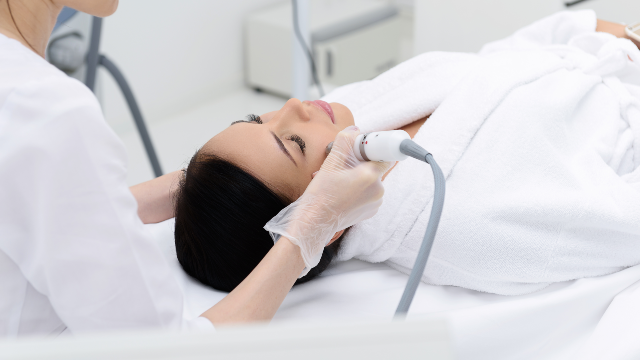
Where Deep-Heating Devices Fit Among Non-Surgical Options
Non-surgical lifting is a family of approaches rather than a single treatment, and the differences between them come down to which energy is used and how deep it acts.
The American Society for Dermatologic Surgery (ASDS) defines the category plainly. These are non-surgical devices that prompt the deeper layers of the skin to make collagen and that, over a period of months, contract tissue which has lost firmness. Many manufacturers make them, ASDS notes, and most rely on laser, radiofrequency or ultrasound energy — singly or in combination — to bring heat into the tissue. How many treatments are needed is not fixed: it shifts with the device, the energy used, the site treated and what the individual patient requires.
ASDS lists microwave-based treatment separately in its catalogue of dermatologic procedures, describing microwave thermolysis as a non-invasive procedure. Heat is the common currency across the category; what differs is the carrier and the depth at which it acts.
The American Society of Plastic Surgeons (ASPS), surveying the same territory from the fat side, notes that nonsurgical and minimally invasive options for reducing fat draw on a variety of modalities including ultrasound, radiofrequency, infrared light, vacuum massage and injectable medication, and that none of them is a replacement for liposuction.
JNB Clinic's own Skin Lifting Treatments category reflects that spread. It groups together ultrasound, radiofrequency, RF microneedling and microwave energy devices along with thread-lift techniques, as a non-surgical route for skin laxity and early-to-moderate sagging, offered as an alternative or complement to surgical facelifting.
The Documented Mechanism
What distinguishes Onda in the clinic's description is the layer it targets.
The clinic states that the treatment uses microwave energy to act selectively on the dermis and the subcutaneous fat layer, promoting collagen remodeling while improving facial contours and reducing localized fat. Its description of the technology is that controlled microwave energy is delivered to the target tissue for skin tightening and facial contouring.
In its patient questions the clinic puts the same point in simpler language: microwave energy is delivered deep into the fat layer beneath the skin, targeting fat-rich tissue while supporting skin elasticity. The clinic distinguishes the treatment from radiofrequency and ultrasound lifting by the concerns it emphasizes — a double chin, a sagging jawline, deep cheeks and V-line contour — while aiming to maintain facial firmness.
The cooling handpiece is part of the design rather than an accessory. Energy that is meant to act at depth has to cross the surface to get there, and surface cooling is how comfort is managed while that happens.
Benefits the clinic describes include improved skin elasticity, lifting of sagging skin, facial contour improvement, jawline definition, collagen stimulation and reduction of localized facial fat. It states that results vary by individual.
Who the Clinic Considers Suitable
JNB Clinic's documented candidates are patients concerned about facial sagging, reduced skin elasticity, a double chin, localized facial fat, jawline definition and facial contour improvement.
Its patient-facing answer adds a second framing: the treatment is recommended for people who want to reduce facial fat while maintaining skin firmness, those concerned about sagging deep cheeks, and patients who find treatments such as Ulthera or Shurink Universe too painful. That last group is worth noting, because comfort is a real reason patients abandon a course of treatment partway through.
On postponement, the clinic is specific. Patients who are pregnant, who have an active skin infection in the treatment area, or who have not yet completed a consultation confirming that Onda Lifting is the right fit should wait until they have been evaluated.
ASDS's general guidance on non-invasive tightening points in the same direction. It names three groups for whom these procedures are not recommended: anyone with an infection active where treatment would be applied, anyone with a clotting problem, and anyone who is pregnant. Beforehand, ASDS expects the physician to go through the medical history and carry out a physical examination, and treats that appointment as the moment to talk through expectations, possible risks and likely outcomes.
ASDS also lists what the patient should do beforehand: be in healthy condition, hold realistic expectations, tell the doctor about any prescription and over-the-counter medication as well as supplements being taken, and avoid blood-thinning drugs for at least two weeks prior.
The Consultation and Session Structure
The clinic describes its consultation as beginning with a comprehensive evaluation of the patient's facial condition, skin characteristics and aesthetic concerns. During that appointment the specialist discusses the patient's goals, assesses whether Onda Lifting is the most suitable treatment, and develops a personalized treatment plan. The clinic emphasizes individualized diagnosis and careful planning.
Preparation follows the same structure: assessment of facial condition, skin characteristics and goals; development of a personalized plan; explanation of the procedure and expected outcomes; and confirmation that the treatment is the appropriate choice.
The session itself is described straightforwardly. After the consultation and assessment, the specialist performs the procedure by applying the device to the targeted areas, and the patient then receives individualized post-procedure instructions and follow-up care. The clinic states that the treatment typically takes about 20 to 30 minutes, depending on the area being treated.
On comfort, the clinic describes discomfort as generally mild and managed with topical numbing where relevant.
For patients who are considering more than one modality, the clinic offers Onda Lifting as part of a package combining it with Shurink Universe and a fat-melting booster for facial contouring and lifting. Whether a combination is appropriate — and which one — is decided at consultation.
Booking and questions before travel are handled on the contact page.
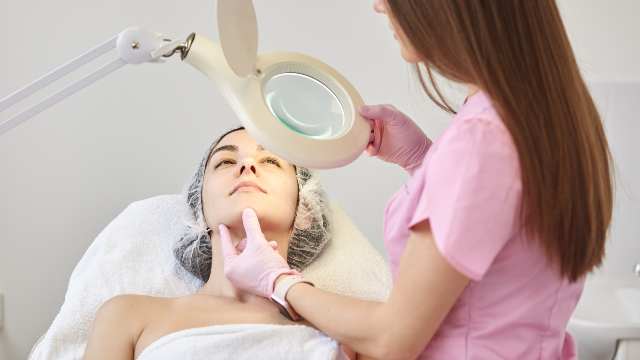
Downtime, Side Effects and the Timeline
The clinic describes Onda Lifting as requiring minimal downtime. Temporary redness, warmth, swelling, bruising or tenderness in the treated area may occur.
ASDS's account of what follows non-invasive tightening in general is consistent with that. Mild swelling, bruising or redness may appear; swelling and bruising, where they happen, can persist for a week or two, whereas redness usually clears within hours, and most people feel able to pick up their usual routine the same day or the day after. ASDS also names the less common effects that belong in the consent conversation: burns to the skin, infection, loss of sensation, weakness in the muscle, allergic or inflammatory reactions, and alterations in contour.
Timing expectations deserve attention, because deep-heating treatments do not deliver their effect immediately. ASDS puts the interval for tightening that works through collagen at three to six months or longer before the effect becomes apparent, and lists what changes the number of sessions required: the device, the area, the energy source and the level it is set to, the condition being addressed, the patient's age and individual characteristics.
Where treatments aim at excess fat rather than skin tone, ASDS makes two further points worth carrying into expectations: non-invasive therapies typically require multiple sessions, and patients generally observe a visible decrease in fat bulges over roughly two to four months. ASDS also tells patients directly that there are not yet long-term studies on these procedures and that there is no guarantee regarding their effectiveness — and that people who regard non-invasive fat removal as a substitute for proper diet and exercise are not good candidates.
The clinic's own position on initial and final results for this treatment is that timing is confirmed with the clinic for the individual case.
Aftercare
The clinic's aftercare instructions for Onda Lifting are practical and specific. Avoid alcohol, smoking, saunas, excessive heat exposure and strenuous exercise for the recommended period. Use sunscreen, moisturize the skin, and avoid rubbing the treated area. In its patient questions the clinic adds jjimjilbang — Korean heated bathhouses — to the list of things to avoid, along with vigorous massage of the treated area.
The clinic describes these instructions as its general risk-reduction measures for the treatment, alongside maintaining skin hydration and sun protection to support recovery.
Sun protection is not an afterthought in this context. ASDS identifies sun damage as one of the two primary factors causing skin to age, noting that ultraviolet light penetrates all the layers of skin, including those that fortify it and lend it resilience. Its practical advice for aging skin is to protect the skin from the sun with sunscreen, protective clothing and shade; to pat dry after bathing so some moisture remains and then apply a suitable moisturizer; to eat a healthy diet, rest properly and manage stress; and to avoid tanning, over-cleansing with long hot showers or harsh soaps, smoking, and excessive alcohol.
Patients who treat aftercare as optional are, in effect, working against the treatment they paid for.
Questions Worth Asking First
ASDS publishes a list of questions for anyone considering treatment for aging skin. The ones that earn their place here: which of these treatments suits my condition; how long a single appointment runs; how frequently sessions are needed and what gap sits between them; how much recovery time to allow; how to prepare; which side effects and complications are common; whether it hurts and what can be done about that; and what the weeks and months afterwards typically look like.
Its checklist for the visit itself is equally direct: is there a doctor on the premises; did anyone take a medical history; and was there an opening evaluation of whether this technique suits my particular skin type.
Add one more for a treatment aimed at two targets. Which part of my concern is fat and which is laxity, and what would you expect this treatment to do for each? A clear answer to that question tells you whether the plan was built for your face or pulled off a menu.
The clinic's about page describes its approach to assessment and individualized planning.
The Bottom Line
- JNB Clinic describes Onda Lifting as a microwave-energy-based treatment for non-invasive skin tightening and localized fat, using a cooling handpiece for comfort.
- The documented mechanism is microwave energy acting selectively on the dermis and the subcutaneous fat layer, promoting collagen remodeling while addressing contour and localized fat.
- Documented candidates include patients concerned about facial sagging, reduced elasticity, a double chin, localized facial fat and jawline definition; the clinic states that results vary by individual.
- A session typically takes about 20 to 30 minutes depending on the area, with minimal downtime and possible temporary redness, warmth, swelling, bruising or tenderness.
- ASDS notes that collagen-stimulating tightening effects often take at least three to six months to appear and that treatment numbers vary by device, area and individual.
Frequently Asked Questions
What does Onda Lifting actually do?
The clinic describes it as delivering microwave energy that acts selectively on the dermis and the subcutaneous fat layer, promoting collagen remodeling while improving facial contours and reducing localized facial fat.
How long does a session take?
The clinic states that treatment typically takes about 20 to 30 minutes, depending on the area being treated.
Is it painful?
The clinic describes discomfort as generally mild and managed with topical numbing where relevant, and notes that the device uses a cooling handpiece for patient comfort. ASDS observes that non-invasive tightening treatments are well tolerated by most patients, with tolerance varying by device and energy source.
Who should postpone treatment?
Pregnancy, an active skin infection where treatment would be applied, and not having completed a consultation that confirms suitability are the three reasons the clinic gives for waiting. ASDS flags the first two, plus clotting problems, in its general guidance.
How soon will I see a change?
ASDS puts the wait for collagen-driven tightening at three to six months or more, and says that where fat is the target, a visible reduction is generally seen across roughly two to four months. The clinic confirms timing for the individual case directly.
How many sessions are needed?
The count is not standard. ASDS ties it to the device, the energy used, the site and what the individual needs, and observes that non-invasive fat treatments usually run over several sessions. The plan itself is set at consultation.
What should I avoid afterwards?
The clinic advises avoiding alcohol, smoking, saunas, jjimjilbang, excessive heat, strenuous exercise and vigorous rubbing or massage of the treated area for the recommended period, while using sunscreen and keeping the skin moisturized.
Can it be combined with other lifting treatments?
The clinic offers it within a package combining it with Shurink Universe and a fat-melting booster for facial contouring and lifting. Whether a combination suits an individual is decided at consultation.
Published for informational purposes and educational purposes, this article is general information rather than individual advice and is not a self-diagnosis tool; whether any energy-based treatment suits a particular person is a judgment for a qualified medical professional following an in-person evaluation.
More Articles
Continue reading our clinical guides.

Benefits of Stem Cell Therapy for Skin Rejuvenation
Discover the benefits of stem cell therapy for skin rejuvenation, including improved texture, reduced wrinkles, and a more youthful appearance.
Learn More

Recovery After Autologous Cartilage Nose Surgery
Learn what to expect during recovery after autologous cartilage nose surgery, including healing timelines, aftercare tips, and results.
Learn More
Revision Rhinoplasty: Everything You Need to Know Before Your Second Nose Surgery
Revision Rhinoplasty: Learn what to expect from a second nose surgery, including risks, recovery, and results. Explore your options and learn more.
Learn More