Personalized Nasal & Facial Care • Dedicated International Patient Concierge

Medical Guide
Nasal Anatomy 101: What to Know Before Rhinoplasty
A patient-friendly guide to nasal anatomy before a rhinoplasty consultation: bridge, tip, septum, cartilage, and airway, and why your plan is individual.
Schedule a ConsultationNasal Anatomy 101: What to Know Before Rhinoplasty
Medically reviewed by Dr. Kang Ju-Yong, Korean Board-Certified Otorhinolaryngologist (ENT Specialist)
Walking into a rhinoplasty consultation with a basic understanding of nasal anatomy makes the conversation far more productive. When you know what the bridge, tip, septum, and cartilages actually do, you can describe your concerns clearly and understand why your surgeon proposes a particular plan. This guide is a patient-friendly tour of nasal structure, written to help you prepare — not to diagnose yourself or replace an in-person examination.
Why Anatomy Comes First
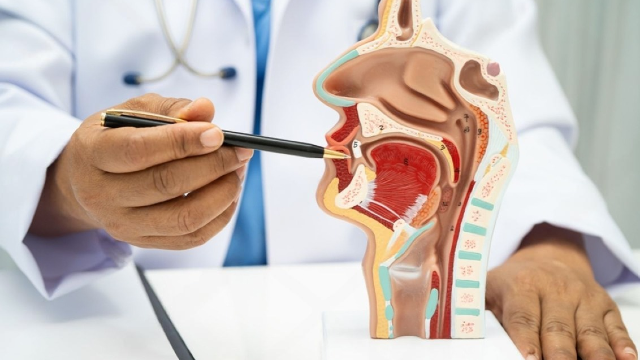
The nose is not just a cosmetic feature sitting on the face; it is a working airway with an internal skeleton of bone and cartilage covered by skin and lining. Its shape and its function are linked. That is why a good rhinoplasty plan begins with anatomy rather than a picture of a "perfect" nose. Two people who want the same visual change may need very different surgical approaches because their underlying structures differ.
At JNB Clinic, the guiding idea is that a nose should look good and breathe well. Dr. Kang Ju-Yong is a board-certified Ear, Nose, and Throat (ENT) specialist, and this ENT background places nasal function at the center of surgical planning. Reading through the anatomy below will help you see why no two operations are identical, and why the plan is always built around your individual structure.
The External Nose: Bridge, Dorsum, and Tip
The most visible parts of the nose are the ones people usually talk about first. The bridge, or dorsum, is the ridge running from between your eyebrows down toward the tip. Its upper portion is supported by nasal bones, while the lower portion is supported by cartilage. This is the area involved when someone describes a "bump" or "hump" on the profile, or wishes for a smoother or higher line.
The nasal tip is the rounded structure at the end of the nose. Its shape is governed largely by the lower lateral cartilages (described below), by the thickness of the overlying skin, and by how these cartilages are positioned and supported. The tip is one of the most technically demanding areas in rhinoplasty precisely because so many factors interact there. Small structural changes can have visible effects, and thicker skin can mask fine refinements, which is part of why swelling at the tip takes the longest to settle.
Between and around these areas are the nostrils and the columella — the strip of tissue separating the two nostrils at the base of the nose. The width of the nostrils, the shape of the base, and the support beneath the tip all contribute to the overall look and to how the nose functions during breathing.
The Skeleton Inside: Bone and Cartilage
Beneath the skin, the nose is built on a framework. The upper third is bony, formed by the paired nasal bones. The middle and lower thirds are cartilage, which is firmer than skin but more flexible than bone. This combination lets the nose be both stable and slightly springy.
Two paired cartilages do much of the structural work in the lower nose:
- The upper lateral cartilages sit in the middle portion of the nose. They help form the sides of the dorsum and contribute to a region called the internal nasal valve, one of the narrowest parts of the airway.
- The lower lateral cartilages (sometimes called the alar cartilages) shape and support the tip and the nostril rims. Their size, strength, and position strongly influence tip shape and projection.
Because cartilage provides so much of the nose's support, surgeons think carefully about preserving and reinforcing it rather than simply removing tissue. Weakening the framework can affect both appearance and breathing over time — a key reason modern rhinoplasty emphasizes structural support.
The Septum: The Central Wall
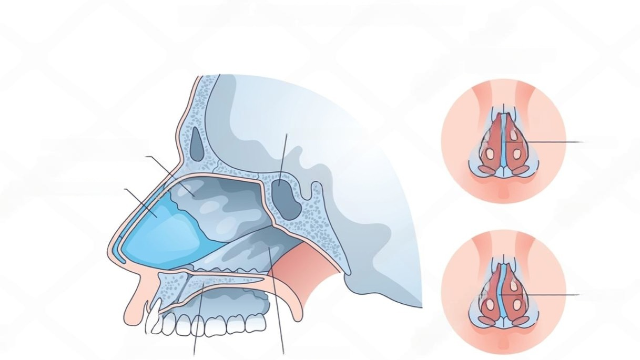
The nasal septum is the wall of cartilage and bone that divides the inside of the nose into left and right passages. It runs down the middle, and in a well-functioning nose it supports the bridge and tip while keeping the two airways reasonably even.
A deviated septum — where this wall is displaced to one or both sides — is extremely common. According to Mayo Clinic, a large majority of people have some degree of septal deviation noticeable to an examiner, and depending on severity it can reduce airflow and make breathing through one or both sides of the nose more difficult. When a deviated septum affects breathing, a surgeon may straighten it in a procedure called septoplasty, which is sometimes performed together with rhinoplasty.
The septum matters for another reason too: septal cartilage is a common source of graft material in rhinoplasty. This is one of the places anatomy directly shapes the surgical plan, and it leads naturally to the question of where structural cartilage comes from.
The Airway: Nasal Valves and Turbinates
Function lives inside the nose. Air enters through the nostrils and passes through the nasal valves — narrow areas where the internal cartilages and the septum come close together. Because these valves are the tightest points in the airway, even small structural changes there can noticeably affect how easily you breathe. This is exactly why an ENT-oriented approach treats the airway as part of the aesthetic plan rather than an afterthought.
The turbinates are curved, shelf-like structures along the side walls of the nasal cavity. As described in anatomy references, the nasal cavity warms, humidifies, and filters the air you breathe, and the turbinates play a major role in that process by increasing the surface area inside the nose. When turbinates are enlarged, they can contribute to a blocked feeling. Understanding that the inside of the nose is doing constant work helps explain why surgeons are cautious about changes that might compromise breathing for the sake of appearance alone.
Why Anatomy Drives an Individualized Plan
Put all of this together and it becomes clear why rhinoplasty cannot follow a single template. Your skin thickness, the strength and shape of your cartilages, the position of your septum, the state of your airway, and your specific goals all interact. A plan that suits one person's anatomy could be wrong for another's even if the desired look sounds similar.
This is also why JNB Clinic favors the use of the patient's own (autologous) cartilage rather than synthetic implants. Autologous cartilage — taken from the septum, ear, or rib depending on how much support is needed — is the patient's own living tissue, which the clinic uses to rebuild and support nasal structure in an implant-free approach. The right source and amount of cartilage depend entirely on the individual anatomy assessed during consultation. There is no one-size-fits-all answer, and the choice is made after examining your nose, not before.
What Happens at a Consultation
A thorough rhinoplasty consultation is where anatomy on paper becomes anatomy in practice. Expect a detailed conversation about your goals, a physical examination of both the outside and inside of your nose, an assessment of your breathing, and imaging when appropriate to evaluate the underlying structure. Your history — including any previous nose surgery, injury, or filler — is part of the picture too.
From this evaluation, a surgeon can explain what is realistically achievable for your specific nose and propose an individualized plan. This is the moment to ask questions, share reference images, and talk honestly about expectations. Coming prepared with the vocabulary from this guide — dorsum, tip, septum, lateral cartilages, nasal valve, turbinates — tends to make that discussion clearer, because you can point to the areas that concern you and understand the surgeon's explanation of how each one contributes to both the look and the function of your nose. You can arrange an evaluation or ask questions through our contact page, and you can read more about JNB Clinic's ENT-led, implant-free philosophy on our main website. Remember that rhinoplasty is surgery: it carries real risks, healing takes time, results vary, and no specific outcome can be guaranteed.
The Bottom Line
- The nose combines a visible exterior — bridge/dorsum, tip, nostrils — with an internal skeleton of nasal bones and cartilages that determine both shape and support.
- The septum divides the nasal passages and supports the nose; a deviated septum is very common and can affect breathing, sometimes making septoplasty part of the plan.
- The airway, including the nasal valves and turbinates, does constant work warming, humidifying, and filtering air, so function is planned alongside appearance.
- Because every nose differs in skin, cartilage, septum, and airway, rhinoplasty is individualized — and JNB Clinic uses the patient's own (autologous) cartilage in an implant-free approach chosen after examination.
- Surgical decisions are made in consultation using examination and imaging; this article is educational, results vary, and it is not a self-diagnosis tool.
Frequently Asked Questions
What are the main parts of the nose I should know before a consultation?
The parts most often discussed are the bridge (dorsum), the tip, the nostrils, the septum, and the internal airway. Under the skin, the framework is made of nasal bones and cartilages, including the upper and lower lateral cartilages. Knowing these terms helps you describe your concerns clearly.
What is the nasal septum and why does it matter?
The septum is the wall of cartilage and bone dividing your nasal passages. It supports the nose and keeps the airways even, and it is also a common source of graft cartilage in rhinoplasty. A deviated septum is common and, according to Mayo Clinic, can reduce airflow depending on its severity.
Will rhinoplasty affect my breathing?
It can, in either direction. Because the nasal valves and turbinates control airflow, structural changes may improve or impair breathing, which is why an ENT-oriented approach evaluates function alongside appearance. Your surgeon should assess your airway as part of planning.
Why does JNB Clinic use the patient's own cartilage?
Autologous cartilage is the patient's own living tissue, taken from the septum, ear, or rib, and JNB Clinic uses it to rebuild and support nasal structure in an implant-free approach. The right source and amount depend on your individual anatomy, so the choice is made after examination.
Can I tell what surgery I need by reading about anatomy?
No. This guide is educational and helps you prepare, but it cannot replace an in-person examination and imaging. Only a qualified surgeon can assess your specific structure and propose an individualized plan.
How long does swelling take to settle after rhinoplasty?
Swelling improves gradually over weeks and months, and the tip in particular can take up to roughly six to twelve months to fully refine, with thicker skin often taking longer. Healing timelines vary by person and technique, so follow your surgeon's guidance.
This article is for general educational purposes only and reflects information available at the time of writing. It does not constitute medical advice and is not a substitute for an in-person evaluation and personalized guidance from a qualified surgeon. Rhinoplasty is surgery and carries real risks, including bleeding, infection, asymmetry, breathing changes, and the possible need for revision; healing takes time, results vary, and no specific outcome can be guaranteed. Surgical decisions should be made in consultation using examination and imaging. It is not a self-diagnosis tool.
More Articles
Continue reading our clinical guides.

Benefits of Stem Cell Therapy for Skin Rejuvenation
Discover the benefits of stem cell therapy for skin rejuvenation, including improved texture, reduced wrinkles, and a more youthful appearance.
Learn More

Recovery After Autologous Cartilage Nose Surgery
Learn what to expect during recovery after autologous cartilage nose surgery, including healing timelines, aftercare tips, and results.
Learn More

Revision Rhinoplasty: Everything You Need to Know Before Your Second Nose Surgery
Revision Rhinoplasty: Learn what to expect from a second nose surgery, including risks, recovery, and results. Explore your options and learn more.
Learn More