Personalized Nasal & Facial Care • Dedicated International Patient Concierge

Medical Guide
How to Prepare for Rhinoplasty Surgery: A Full Guide
Learn how to prepare for rhinoplasty surgery physically and mentally, from medical evaluations and lifestyle steps to realistic goals and travel planning.
Schedule a ConsultationHow to Prepare for Rhinoplasty Surgery: A Full Guide
Medically reviewed by Dr. Kang Ju-Yong, Korean Board-Certified Otorhinolaryngologist (ENT Specialist)
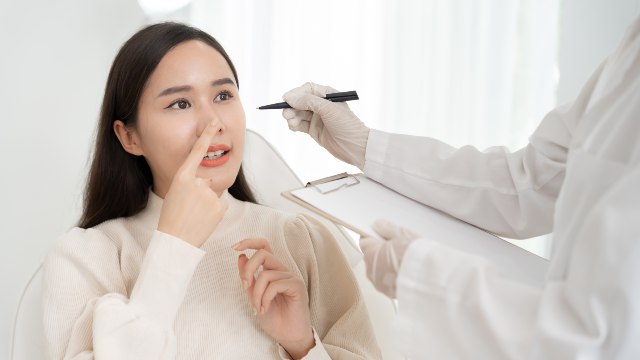
Rhinoplasty is a surgical procedure that reshapes the nose, and how well you prepare beforehand can shape both your experience and your recovery. Good preparation is part physical and part mental: getting your body ready for surgery while setting expectations that match what the operation can realistically achieve. This guide walks through both sides in plain language so you can arrive at your procedure feeling organized and informed. It is educational and does not replace an in-person evaluation with a qualified surgeon.
Why Preparation Matters Before Nose Surgery
Rhinoplasty is a real operation, not a quick cosmetic touch-up. It involves incisions, reshaping of cartilage and bone, anesthesia, and a healing process that unfolds over months. Because of that, the weeks leading up to surgery are an opportunity to reduce avoidable risks and to make your recovery smoother.
Preparation also gives you time to ask questions, understand the risks, and confirm that your goals and your surgeon's plan are aligned. According to the American Society of Plastic Surgeons, patients are asked to review the procedure and sign consent forms precisely so that they fully understand what surgery involves and any potential complications. Taking preparation seriously is one of the most practical ways to support a safe, well-planned experience.
At JNB Clinic in Seoul, rhinoplasty is led by an ENT (ear, nose, and throat) specialist and uses the patient's own cartilage rather than synthetic implants, with a structured pre-operative and aftercare program built around each individual. You can learn more about the clinic's approach on the JNB Clinic website.
The Physical Preparation Checklist
Medical Evaluation and Health History
Preparation usually begins with a thorough medical evaluation. Your surgeon will review your overall health and medical history to confirm that you are an appropriate candidate for surgery and anesthesia. This is standard practice: the StatPearls medical reference describes history, physical examination, and preoperative counseling as core components of a rhinoplasty workup.
Be ready to discuss any ongoing medical conditions, past surgeries, bleeding tendencies, allergies, and previous reactions to anesthesia. Your surgical team may order laboratory tests or other assessments as part of this evaluation. Answering these questions honestly and completely helps your team plan the safest possible procedure.
Disclosing Every Medication and Supplement
One of the most important things you can do before surgery is give your surgeon a complete and accurate list of everything you take. That means prescription medications, over-the-counter products, vitamins, and herbal or dietary supplements. Some substances can affect bleeding, healing, or how anesthesia works.
It is essential to understand this clearly: which medications or supplements to stop, and when to stop them, is a decision only your surgeon and their team can make for you. Do not stop, change, or start anything on your own based on general reading. Instead, bring your full list to your consultation and follow the specific pre-operative instructions your surgical team provides. At JNB Clinic, pre-operative guidance on medications, lifestyle adjustments, and precautions is provided individually as part of the surgical plan. If you are unsure about anything on your list, ask directly and write the answers down.
Stopping Smoking
If you smoke or vape, the period before surgery is an important time to stop. Smoking affects wound healing because nicotine and other compounds in tobacco smoke narrow blood vessels, reduce oxygen reaching the tissues, and can impair the body's healing response. This matters a great deal for rhinoplasty, where healing quality influences the final result.
Guidance from Mayo Clinic notes that quitting before surgery, even shortly beforehand, can reduce the risk of certain complications, and that longer periods of abstinence are generally associated with better outcomes. Ask your surgeon how far in advance they want you to stop and whether that includes nicotine replacement products. Your surgical team will give you specific instructions tailored to your situation.
Limiting Alcohol
Alcohol can also affect bleeding, swelling, hydration, and how your body responds to anesthesia and medications. Many surgical teams ask patients to avoid or significantly limit alcohol for a defined window before and after surgery. As with smoking and medications, follow the exact timing your surgeon gives you rather than a general rule you find online.
Arranging Recovery Time and Help
Practical logistics are a genuine part of physical preparation. Plan to have someone accompany you on the day of surgery and to help at home during the earliest days of recovery, when swelling, bruising, and a nasal splint are at their most noticeable. Set up a comfortable resting space where you can keep your head elevated, and stock up on soft foods, tissues, and any supplies your team recommends in advance.
Think about time away from work or school. Many people take at least one to two weeks before returning to their usual routine, though this varies. Arranging this ahead of time removes stress later, when your energy is better spent healing.
Planning for International Travel

If you are traveling to Korea for rhinoplasty, build your recovery time into your trip. JNB Clinic advises international patients to plan to stay in Korea for approximately 7 to 10 days after surgery to attend follow-up visits, splint care, and recovery checks before flying home. Book your accommodation and return flight with that window in mind, and leave some flexibility in case your surgeon wants to see you again.
Before you travel, confirm the current entry rules for South Korea, because they change over time. As of the current guidance, many travelers are temporarily exempt from the K-ETA (Korea Electronic Travel Authorization) through December 31, 2026, an electronic e-Arrival Card is required, and the K-ETA requirement is scheduled to return on January 1, 2027. There is also a dedicated medical visa category (C-3-3) for some medical travelers. Because these policies can be updated, always confirm the current rules through official South Korean government sources and check visa requirements with your nearest consulate or travel.state.gov before booking. Reviewing CDC guidance on planning medical care abroad is also worthwhile.
The Mental Preparation Checklist
Setting Realistic Expectations
Just as important as physical readiness is arriving with realistic expectations. Rhinoplasty can refine and rebalance the nose, but it works within your individual anatomy, skin thickness, and healing tendencies. Results vary from person to person, and no surgeon can guarantee a specific outcome.
A productive way to prepare mentally is to focus on improvement and balance rather than a single "perfect" image. Bringing reference photos to your consultation can help you and your surgeon communicate, as long as you understand they are a starting point for discussion, not a promise. An honest conversation about what is achievable for your nose is far more valuable than an idealized target.
Understanding That Results Are Gradual
Perhaps the biggest mental adjustment is patience with time. The nose you see immediately after surgery is not your final result. There is a splint, swelling, and bruising early on, and the shape continues to refine over many months. According to the American Society of Plastic Surgeons, while initial swelling subsides within a few weeks, it can take up to a year for the nasal contour to fully refine, and swelling may even come and go during that first year.
Knowing this in advance helps you avoid unnecessary worry when your nose looks swollen or slightly uneven in the early weeks. Healing is a process, not an event. Preparing yourself for that timeline is one of the most useful things you can do for your own peace of mind.
Questions to Ask at Your Consultation
Your consultation is the time to gather information and build confidence in your decision. Consider asking:
- Am I a good candidate for this procedure given my anatomy and goals?
- What specific technique do you recommend for me, and why?
- What are the realistic risks and possible complications?
- Will the surgery affect my breathing or nasal airway?
- What is the expected recovery timeline, and when will I see the more settled result?
- What pre-operative instructions should I follow, including anything about medications, smoking, and alcohol?
- What does the follow-up and aftercare plan look like, especially if I am traveling from abroad?
Writing down your questions beforehand ensures you do not forget them in the moment. If anything is unclear, ask for it to be explained again. You can also reach out through the JNB Clinic contact page to arrange a consultation and discuss your individual situation.
Managing Emotions and Support
It is normal to feel a mix of excitement and nervousness before surgery. Talking through your decision with people you trust, and making sure you understand each step, can ease anxiety. Give yourself permission to ask for reassurance and to take the time you need to feel ready.
The Bottom Line
- Physical preparation for rhinoplasty includes a full medical evaluation, an honest health history, and complete disclosure of every medication and supplement you take.
- Never stop, start, or change any medication on your own; specific pre-operative drug instructions and timing must come from your surgeon and surgical team.
- Stopping smoking and limiting alcohol on your team's recommended schedule can support healing, alongside arranging recovery time and help at home.
- International patients should plan to stay in Korea roughly 7 to 10 days after surgery and should confirm the current Korea entry and visa rules through official sources before booking.
- Mental preparation means setting realistic expectations, understanding that results appear gradually over months, and asking thorough questions at your consultation.
Frequently Asked Questions
How far in advance should I start preparing for rhinoplasty?
Preparation often begins at your consultation, which may be weeks before surgery, so there is time for evaluation and any recommended lifestyle changes. Your surgeon will tell you exactly when to begin steps such as adjusting medications or stopping smoking. Follow the individualized timeline your surgical team provides rather than a general schedule.
Which medications do I need to stop before nose surgery?
There is no universal list, because the answer depends on your health, your medications, and your surgeon's judgment. Bring a complete list of all prescriptions, over-the-counter products, vitamins, and supplements to your consultation, and follow only the specific instructions your surgical team gives you. Do not stop or change anything on your own.
Why is quitting smoking before rhinoplasty so important?
Smoking narrows blood vessels and reduces oxygen delivery to healing tissue, which can impair wound healing and increase the risk of complications. Guidance from Mayo Clinic indicates that quitting before surgery can lower certain risks. Ask your surgeon how far in advance to stop, as their instructions are tailored to you.
How should I prepare mentally for rhinoplasty?
Focus on realistic, balanced goals rather than a single perfect image, and understand that your final result develops gradually over many months. Prepare a list of questions for your consultation and discuss the achievable outcome for your specific anatomy. Talking through your decision with trusted people can also help ease normal pre-surgery nerves.
How long do international patients need to stay in Korea after rhinoplasty?
JNB Clinic advises international patients to plan for roughly 7 to 10 days in Korea after surgery to allow for follow-up visits, splint care, and recovery checks before flying home. Build this window into your travel plans and allow some flexibility. Additional follow-up may continue after you return home.
Do I need a special visa or travel authorization for medical treatment in Korea?
Entry rules change over time, so you must confirm the current requirements before booking. As of current guidance, many travelers are temporarily K-ETA exempt through December 31, 2026, an e-Arrival Card is required, the K-ETA returns on January 1, 2027, and a C-3-3 medical visa category exists. Verify all details through official South Korean sources and your consulate or travel.state.gov.
This article is for general educational purposes only and does not constitute medical advice. Rhinoplasty is a surgical procedure that carries real risks, including bleeding, infection, asymmetry, changes in breathing, and the possible need for revision surgery; individual results vary and no specific outcome can be guaranteed. Always consult a qualified surgeon in person for advice about your own situation, and confirm current travel, entry, and visa rules through official government sources before planning international treatment. It is not a self-diagnosis tool.
More Articles
Continue reading our clinical guides.

Benefits of Stem Cell Therapy for Skin Rejuvenation
Discover the benefits of stem cell therapy for skin rejuvenation, including improved texture, reduced wrinkles, and a more youthful appearance.
Learn More

Recovery After Autologous Cartilage Nose Surgery
Learn what to expect during recovery after autologous cartilage nose surgery, including healing timelines, aftercare tips, and results.
Learn More

Revision Rhinoplasty: Everything You Need to Know Before Your Second Nose Surgery
Revision Rhinoplasty: Learn what to expect from a second nose surgery, including risks, recovery, and results. Explore your options and learn more.
Learn More