Personalized Nasal & Facial Care • Dedicated International Patient Concierge

Medical Guide
HIFU vs. Radiofrequency vs. Thread Lifting: Choosing a Skin Lifting Technology
Compare HIFU, radiofrequency, and thread lifting for skin laxity: how each technology works, ideal candidates, results, and how to choose the right lift.
Schedule a ConsultationHIFU vs. Radiofrequency vs. Thread Lifting: Choosing a Skin Lifting Technology
Medically reviewed by Dr. Kang Ju-Yong, M.D., Board-Certified Otolaryngology (ENT) Specialist & Chief Director, JNB Clinic · Last updated July 2026
Understanding HIFU vs RF vs thread lift is the first step to deciding which skin lifting technology is best for you. As collagen and elastin decline with age, the skin along the cheeks, jawline, and neck loses firmness and begins to sag. Three of the most widely discussed non-surgical approaches to this problem are high-intensity focused ultrasound (HIFU), radiofrequency (RF), and thread lifting. Each works differently, suits different degrees of laxity, and comes with its own trade-offs in comfort, downtime, and how results appear over time. This guide explains the science behind each so you can have a more informed conversation at your consultation.
At JNB Clinic in Gangnam, Seoul, the Lifting menu includes microfocused ultrasound (Ultherapy Prime), monopolar radiofrequency (Thermage FLX), and thread lifting, alongside other devices. Because the right choice depends on your anatomy, skin quality, and goals, the sections below focus on general education about how these technologies differ rather than promising any specific result.
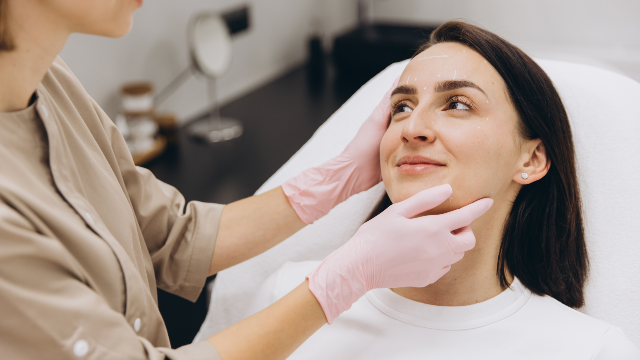
Why Skin Loses Firmness in the First Place
Before comparing devices, it helps to understand what they are trying to address. Skin changes are among the most visible signs of aging. Over time the connective tissue in the skin loses strength and elasticity, a process known as elastosis, and the skin becomes thinner and less able to hold its shape. Sun exposure accelerates this decline, and smoking contributes to wrinkling as well.
According to Mayo Clinic, aging is also associated with a decrease in the skin's building blocks, including collagen, elastin, and hyaluronic acid, which leaves skin drier, thinner, and less elastic. The result is the sagging and creasing that many people notice first along the lower face and neck. Non-surgical lifting technologies do not stop aging, but they aim to stimulate the body's own repair processes so that skin looks firmer. Knowing this shared goal makes the differences between HIFU, RF, and thread lifting easier to follow.
How HIFU (High-Intensity Focused Ultrasound) Works
HIFU uses focused ultrasound energy to heat tissue at precise depths beneath the skin's surface without cutting or damaging the outer layer. As Mayo Clinic explains, high-intensity focused ultrasound concentrates sound waves to treat targeted tissue, and in cosmetic use this energy is delivered to specific depths in the skin.
The best-known aesthetic HIFU system is microfocused ultrasound with visualization, which is FDA-cleared to lift skin on the brow, under the chin (submentum), and on the neck, and to improve lines and wrinkles on the décolleté. The "visualization" component lets the practitioner see the tissue layers being treated. Energy is typically delivered at layered depths, reaching the deeper support structures of the face as well as the dermis. These small, focused heating points prompt the skin to remodel collagen, which is the mechanism credited with the gradual firming effect.
Because HIFU reaches deeper foundational layers, it is often discussed for people with early to moderate laxity who want lifting without surgery. Results tend to develop gradually over the weeks and months following treatment as new collagen forms, and more than one session may be recommended. HIFU is not a replacement for a surgical facelift when laxity is severe.
How Radiofrequency (RF) Works
Radiofrequency skin tightening uses electrical energy to heat the deeper layers of the skin. Rather than concentrating energy at focal points the way ultrasound does, RF delivers gentle, volumetric heat into the dermis. This controlled heating is intended to cause collagen fibers to contract and, over time, to stimulate the production of new collagen, which creates a tightening effect.
RF is one of several energy-based approaches the U.S. FDA groups under aesthetic (cosmetic) devices. The American Society of Plastic Surgeons notes that laser and radiofrequency rejuvenation methods generally fall into categories including laser, ultrasound, radiofrequency, and radiofrequency microneedling. Monopolar RF systems, such as those used for face and body tightening, are a well-established category of these devices.
A practical point about RF is that it heats a broader zone of tissue, which many people describe as a warming or massaging sensation during treatment. It is often discussed for mild to moderate skin laxity and crepey skin texture. As with HIFU, results appear gradually as collagen remodels, results vary from person to person, and additional sessions may be advised. It is important to distinguish standard RF skin tightening from RF microneedling, a related but separate technology; the FDA has issued a safety communication about certain uses of RF microneedling devices, noting reports of burns, scarring, and other complications, which underscores why any energy-based treatment should be performed by a qualified provider.
How Thread Lifting Works
Thread lifting takes a mechanical rather than a purely energy-based approach. According to the American Society of Plastic Surgeons, a thread lift uses absorbable, barbed sutures to offer a tighter, more youthful appearance to the face and neck. Instead of surgically removing loose skin, the provider suspends it by anchoring these threads beneath the skin, which lifts and repositions the tissue.
There is a second benefit beyond the immediate lift. ASPS explains that threads combat aging by provoking the body's healing response, prompting collagen to be directed to the treated areas. So a thread lift can produce a subtle, visible lift right away while also encouraging gradual collagen stimulation as the sutures are absorbed. Thread lifts using absorbable sutures are FDA-cleared as a category of device.
Thread lifting is frequently discussed for people who have mild to moderate sagging and want a more immediate repositioning effect than energy devices provide, but who are not ready for surgery. ASPS describes it as offering results without the downtime or scarring of a surgical facelift, though there can be temporary swelling and bruising. As with the other options, a thread lift is not equivalent to a surgical facelift for significant laxity, and results are not permanent because the sutures are absorbed over time.
HIFU vs. RF vs. Thread Lifting: A Side-by-Side Comparison
Placing the three approaches next to each other highlights where they overlap and where they differ.
Primary mechanism. HIFU uses focused ultrasound to create heat at precise depths; RF uses electrical energy to warm a broader area of the dermis; thread lifting physically repositions tissue with sutures and adds a collagen-stimulating effect as a bonus.
How energy or lift is delivered. HIFU targets discrete, deeper focal points, including foundational support layers. RF delivers diffuse volumetric heat. Thread lifting provides an immediate mechanical lift plus gradual collagen response.
When results appear. Both HIFU and RF rely on new collagen forming, so their firming develops gradually over weeks to months. Thread lifting offers a visible lift soon after the procedure, with the collagen benefit building afterward.
Best-suited laxity. HIFU is often considered for early to moderate laxity where deeper tightening is desired. RF is frequently discussed for mild to moderate laxity and skin texture. Thread lifting suits people who want more immediate repositioning of mild to moderate sagging. None of the three substitutes for a surgical facelift when laxity is severe.
Sensation and downtime. RF is commonly described as a warming sensation, and HIFU as brief pulses of deeper heat; both are non-incisional. Thread lifting is minimally invasive and can involve temporary swelling or bruising.
Combination potential. These technologies are not mutually exclusive. A tailored plan may combine an energy device with thread lifting, or stage different treatments over time. The right combination is an individual clinical decision.
Because JNB Clinic offers Ultherapy Prime (HIFU), Thermage FLX (RF), and thread lifting on its Lifting menu, a consultation can compare these options against your specific anatomy. You can learn more about the clinic on the About Us page or contact the clinic to ask which approach may suit your goals.
How to Choose the Right Skin Lifting Technology

There is no single "best" technology; there is only the best fit for a given person. A few factors guide the decision.
Degree and location of laxity. Deeper, foundational sagging, mild surface crepiness, and skin that needs physical repositioning may each point toward a different tool, or a combination.
Your skin quality and history. Skin thickness, prior treatments, and overall skin health all influence which approach is appropriate, which is why a professional assessment matters.
Your timeline and tolerance for downtime. If you want an immediate visible change, the mechanical lift of threads may appeal; if you prefer a fully non-incisional route and are comfortable waiting for gradual results, an energy device may suit you better.
Realistic expectations. As the FDA notes about aesthetic devices generally, a procedure may not always give you the results you want, effects can be temporary, and every device carries some risk. Multiple sessions are often part of the plan, and none of these treatments replaces surgery for advanced laxity.
The most reliable way to decide is a professional consultation with an assessment of your skin. You can review patient reviews and before-and-after references to understand the range of experiences before you book.
The Bottom Line
- HIFU (focused ultrasound), RF (radiofrequency heating), and thread lifting (suture repositioning) all aim to firm sagging skin but work by different mechanisms.
- HIFU and RF firm skin by stimulating collagen over weeks to months, while thread lifting adds an immediate mechanical lift plus a collagen response.
- The right choice depends on your degree of laxity, skin quality, desired timeline, and expectations, and the technologies can sometimes be combined.
- None of these non-surgical options replaces a surgical facelift for severe laxity, results vary, and multiple sessions may be needed.
- JNB Clinic offers Ultherapy Prime, Thermage FLX, and thread lifting; a consultation is the way to match a technology to your skin.
Frequently Asked Questions
Is HIFU, RF, or thread lifting the "best" for skin lifting?There is no universal best. HIFU targets deeper layers with focused ultrasound, RF warms a broader zone of the dermis, and thread lifting physically repositions tissue while stimulating collagen. The best fit depends on your anatomy, degree of laxity, and goals, which a consultation can assess.
Are these treatments painful?Comfort varies by person and technology. RF is often described as a warming sensation, HIFU as brief pulses of deeper heat, and thread lifting as minimally invasive, typically performed with local anesthesia. Your provider will explain what to expect for the specific approach chosen.
When will I see results?HIFU and RF work by stimulating new collagen, so their firming effect develops gradually over weeks to months. Thread lifting can create a visible lift soon after the procedure, with additional collagen benefit building over time. Results vary between individuals.
Can these replace a facelift?No. HIFU, RF, and thread lifting are non-surgical or minimally invasive options generally suited to mild to moderate laxity. They are not equivalent to a surgical facelift, which may be more appropriate for severe sagging.
How long do the results last, and will I need more than one session?Longevity varies with the technology, your skin, and lifestyle factors like sun exposure. Thread lift results are not permanent because the sutures are absorbed, and energy treatments often involve more than one session or periodic maintenance. Your provider can outline a realistic plan.
Are these treatments safe?When performed by a qualified provider, these are established categories of aesthetic treatment. Still, every device carries some risk. The FDA has specifically cautioned about certain uses of RF microneedling devices, which is why choosing a qualified clinic and disclosing your medical history is important.
Can the technologies be combined?Yes, in some cases. A tailored plan may pair an energy device with thread lifting or stage treatments over time. Whether combining is appropriate for you is an individual clinical decision made during consultation.
This article is for general informational purposes and does not constitute individualized medical advice. Results vary from person to person, and no specific outcome is guaranteed. Consult a qualified medical provider to determine which treatment, if any, is appropriate for your skin and health.
More Articles
Continue reading our clinical guides.

Benefits of Stem Cell Therapy for Skin Rejuvenation
Discover the benefits of stem cell therapy for skin rejuvenation, including improved texture, reduced wrinkles, and a more youthful appearance.
Learn More

Recovery After Autologous Cartilage Nose Surgery
Learn what to expect during recovery after autologous cartilage nose surgery, including healing timelines, aftercare tips, and results.
Learn More

Revision Rhinoplasty: Everything You Need to Know Before Your Second Nose Surgery
Revision Rhinoplasty: Learn what to expect from a second nose surgery, including risks, recovery, and results. Explore your options and learn more.
Learn More