Personalized Nasal & Facial Care • Dedicated International Patient Concierge

Medical Guide
Flights & Visa Basics: USA to Seoul for Nose Surgery
Planning surgery in Seoul? A US-to-Korea guide covering flights, K-ETA and visa basics, passports, and reaching JNB Clinic - verify requirements first.
Schedule a ConsultationFlights and Visa Basics: Traveling from the USA to JNB Clinic in Seoul
Medically reviewed by Dr. Kang Ju-Yong, M.D., Board-Certified Otolaryngology (ENT) Specialist & Chief Director, JNB Clinic · Last updated July 2026
If you are considering flights from the USA to Seoul for surgery, the logistics can feel as daunting as the procedure itself. This guide covers the practical basics: the visa requirements for Korea that US travelers should understand, how the K-ETA rules work, what to know about passports and prescription medications, and how to reach JNB Clinic in Gangnam once you land. One rule sits above all others. Immigration and entry rules change, so treat everything here as a starting point and verify current requirements before travel through official U.S. and Korean government sources. This article does not quote fixed flight prices or exact durations, because those shift constantly; instead it points you to authoritative sources for the facts that matter.
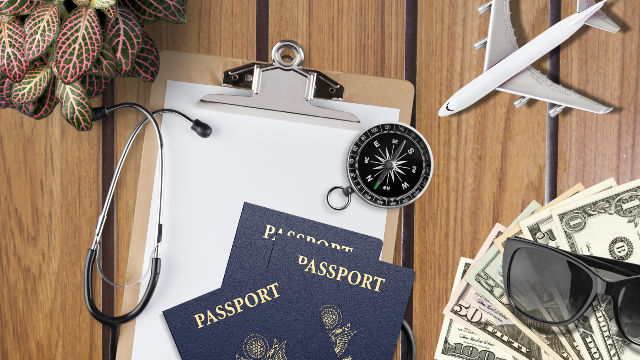
Start With the Official Sources
Before booking anything, bookmark the authoritative pages. For entry rules, the U.S. Department of State maintains a South Korea page with current entry, exit, and visa requirements. Because policies are periodically updated, the State Department page should be your reference of record, and you should re-check it close to your travel date. For health-related travel questions, the U.S. Centers for Disease Control and Prevention (CDC) publishes guidance for international travelers and for people traveling abroad for medical care.
Grounding your plan in these sources protects you from outdated blog posts and third-party summaries. The rules described below reflect what these official sources state at the time of writing, but they are exactly the kind of details that change, so confirm them yourself before you commit to dates.
Visa and K-ETA Basics for US Travelers
For most US passport holders visiting for a short medical trip, the entry picture is relatively straightforward, but there are moving parts.
According to the U.S. Department of State, a visa is not required for stays of 90 days or less for tourism or business. A visa is required for all other travel purposes, including employment, teaching, and stays longer than 90 days. For a typical rhinoplasty trip, which involves surgery and a recovery period of roughly a week to ten days in Korea, a short visit generally falls within that visa-free window, but you should confirm that your specific purpose and length of stay qualify.
The K-ETA, or Korean Electronic Travel Authorization, is the other piece to understand, and its status has been changing. The U.S. Department of State states that the K-ETA requirement has been the subject of a temporary exemption for US passport holders that was extended through December 31, 2026, and that starting January 1, 2027, travelers will need a K-ETA before traveling to South Korea. This is a textbook example of a rule with a moving deadline, which is precisely why you must check the State Department page for the current status before you fly. If a K-ETA is required for your travel dates, plan to obtain it in advance rather than at the airport.
Two more entry facts from the State Department are worth noting. Your passport must be valid at the time of entry, and there is no specific minimum expiration validity requirement listed for South Korea, though it is always prudent to travel with a passport that has ample validity remaining. And no currency declaration is needed on entry or exit under the requirements described. None of this substitutes for reading the official page yourself, but it gives you a sense of the shape of the process.
Medications, Health, and Insurance
A medical trip has a few extra wrinkles beyond a standard vacation, and the official guidance is clear about them.
On medications, the U.S. Department of State warns that some prescription drugs are illegal in South Korea and others require pre-approval from the South Korean Ministry of Food and Drug Safety, particularly amphetamines, narcotics, and opioids. The advice is to carry prescription medication in its original packaging along with your doctor's prescription, and to secure proper authorization where required. If your recovery plan involves any prescription pain relief or other controlled medication, check these rules well before you travel.
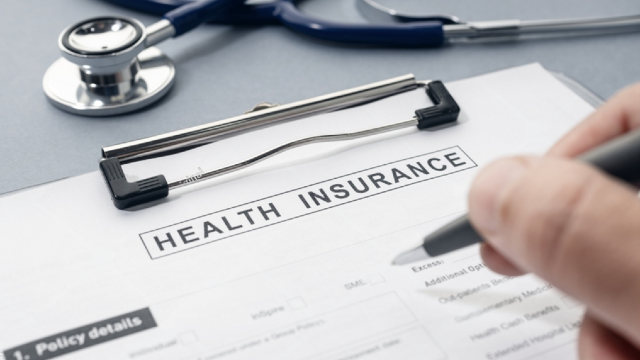
On money and health coverage, the State Department cautions that you are responsible for paying for all medical treatment you receive in South Korea, that most US health insurance plans do not provide coverage abroad, and that US Medicare and Medicaid do not cover expenses overseas. It strongly recommends supplemental insurance, including coverage for medical evacuation. The CDC likewise advises travelers seeking care abroad to review their insurance carefully and to consider supplemental medical and evacuation coverage, because domestic plans may cover little or nothing outside the United States. Budgeting for insurance is not optional peace of mind; it is part of responsible planning for any surgery abroad.
When you bring any leftover medication back to the United States, the State Department notes that U.S. Customs and Border Protection and the U.S. Food and Drug Administration (FDA) have rules for importing medication, which generally must be for personal use and approved for use in the United States. Review those requirements before your return trip.
What the CDC Says About Traveling for Care
Beyond paperwork, the CDC frames medical tourism as something to prepare for deliberately. It defines medical tourism as traveling to another country for medical care and recommends that anyone considering it discuss the plan with their primary healthcare professional in the United States well in advance of travel. The CDC suggests that a pre-travel consultation, ideally several weeks before departure, can address existing conditions, ensure you have enough of your regular medications for the whole trip, and confirm you are up to date on routine vaccinations.
The CDC also emphasizes continuity of care. It advises discussing how any complications would be handled with both your US healthcare professional and the clinic performing your procedure, requesting copies of your medical records in English, and disclosing your full travel and treatment history to any clinicians you see afterward. The ASPS briefing paper on cosmetic surgery tourism adds a related caution: follow-up care after you return home can be limited with travel-based surgery, and it urges patients to have realistic expectations and to ask detailed questions about recovery and follow-up before committing. JNB Clinic's structured aftercare and remote follow-up for international patients are designed to help address that continuity gap, but the underlying advice from these bodies is sound for any patient traveling for a procedure.
Planning the Flight Itself
Seoul is one of Asia's most connected cities, served by major international airports, and flights from the United States are widely available from large hubs. Rather than quote prices or durations that fluctuate by season, route, and airline, the practical guidance is to compare current fares yourself and to remember that any US-to-Korea flight is a long-haul journey.
That length matters medically on the way home. The CDC notes that long-distance travel of more than four hours can raise the risk of blood clots such as deep vein thrombosis, that recent surgery is itself a risk factor, and that combining the two adds risk. Sensible measures for long flights include staying mobile, doing calf-muscle exercises, choosing an aisle seat when possible, and, for some travelers, using properly fitted graduated compression stockings. The CDC and ASPS also both point to waiting an appropriate period after facial cosmetic surgery before flying, with ASPS suggesting seven to 10 days after facial procedures including rhinoplasty. Factor this into your return date, and confirm the right timing for your case with the clinic and your own physician.
One more scheduling note: South Korea is far ahead of US time zones. The State Department describes South Korea as 13 hours ahead of Washington, D.C., and the clinic operates on Korea Standard Time, which is UTC+9, roughly 14 hours ahead of US Eastern Time in standard time and 13 hours ahead during US daylight saving. Building in a day to adjust to the time difference before surgery is reasonable.
Reaching JNB Clinic Once You Arrive
JNB Clinic is located in the Gangnam district of Seoul, a central and well-connected part of the city. The clinic sits on the 6th floor of the K-Tower Building at 119 Dosan-daero, Gangnam-gu, Seoul, about a one-minute walk from Sinsa Station Exit 8 on Seoul Subway Line 3 (the orange line). That proximity to a subway station keeps travel to your follow-up visits short and low-effort while you are recovering.
The clinic's consultation hours are Monday to Friday from 10:00 to 19:00 and Saturday from 10:00 to 16:00 Korea Standard Time, and it is closed on Sundays and public holidays. Because of the large time difference, remember to convert appointment times to Korean time when you coordinate from the United States. JNB Clinic supports international patients with English-language communication for consultations, coordination, and post-treatment follow-up, and it is a Registered Medical Institution for Attracting Foreign Patients certified by Korea's Ministry of Health and Welfare.
You do not need to wait until you land to begin. JNB Clinic offers teleconsultation before travel, so you can discuss your goals, review your history, and shape a plan remotely before you buy a ticket. To arrange that, use the clinic's consultation and contact page, where international patients can reach the team through the official channels. If you would like to learn more about the clinic first, the About Us page explains its background and philosophy, and you can also read patient reviews to hear from people who have made the trip.
A Simple Pre-Trip Checklist
To pull the pieces together, here is a practical sequence:
- Read the U.S. Department of State South Korea page for current visa, K-ETA, passport, and entry rules, and re-check it close to departure.
- Confirm whether a K-ETA is required for your travel dates, given the exemption timeline, and apply in advance if needed.
- Check that your passport is valid for your trip and consider building in extra validity as a buffer.
- Review medication rules, carry prescriptions in original packaging, and secure any required pre-approval for controlled drugs.
- Arrange supplemental travel and medical insurance, including medical evacuation coverage.
- Have a pre-travel conversation with your US physician and complete a teleconsultation with JNB Clinic.
- Plan a flexible return date that respects the recommended waiting period before flying after facial surgery.
The Bottom Line
- Verify entry rules yourself: the U.S. Department of State South Korea page is the reference of record, and requirements such as the K-ETA exemption timeline can change.
- For US passport holders, the State Department states a visa is not required for stays of 90 days or less for tourism or business; longer stays or other purposes require a visa.
- The K-ETA exemption for US travelers was extended through December 31, 2026, with a K-ETA required starting January 1, 2027, so confirm the current status before you fly.
- Plan for the practical realities of a long-haul trip: medication rules, supplemental insurance including medical evacuation, blood-clot precautions on the flight, and a large time-zone difference.
- JNB Clinic is in Gangnam, Seoul, a one-minute walk from Sinsa Station Exit 8, supports international patients in English, and offers teleconsultation before travel; start at the clinic's contact page.
Frequently Asked Questions
Do US citizens need a visa to travel to South Korea for surgery? According to the U.S. Department of State, a visa is not required for stays of 90 days or less for tourism or business, which typically covers a short medical trip. A visa is required for other purposes or for stays longer than 90 days. Always confirm that your specific purpose and length of stay qualify by checking the State Department page before you travel.
What is the K-ETA, and do I need one? The K-ETA is the Korean Electronic Travel Authorization. The U.S. Department of State states that the K-ETA requirement has been under a temporary exemption for US passport holders extended through December 31, 2026, and that a K-ETA will be required starting January 1, 2027. Because this deadline can change, verify the current requirement for your travel dates and obtain a K-ETA in advance if needed.
How long is the flight and how much does it cost? This article does not quote fixed durations or prices, because they vary by route, season, and airline. Any flight between the United States and Seoul is long-haul, so compare current fares yourself and plan for a lengthy journey. Keep in mind the medical advice on waiting an appropriate period before flying home after facial surgery.
Can I bring my prescription medications? The U.S. Department of State warns that some prescription drugs are illegal in South Korea and others, particularly amphetamines, narcotics, and opioids, require pre-approval from the South Korean Ministry of Food and Drug Safety. Carry medication in its original packaging with your doctor's prescription, and secure any required authorization before traveling. Check the rules again close to your trip.
Will my US health insurance cover treatment in Korea? The State Department cautions that most US health plans do not cover care abroad and that Medicare and Medicaid do not cover overseas expenses, so you are responsible for paying for treatment received in South Korea. Both the State Department and the CDC recommend supplemental insurance, including medical evacuation coverage. Confirm your coverage before you travel.
How do I get to JNB Clinic from the airport or around Seoul? JNB Clinic is on the 6th floor of the K-Tower Building at 119 Dosan-daero in Gangnam-gu, Seoul, about a one-minute walk from Sinsa Station Exit 8 on Seoul Subway Line 3. Seoul has extensive public transit, and the clinic's location near a subway station keeps follow-up visits convenient during recovery.
Can I plan everything before I leave the United States? Largely, yes. You can verify entry rules through official sources, arrange insurance, speak with your US physician, and complete a teleconsultation with JNB Clinic before travel. Begin with the clinic's contact page to coordinate your plan.
This article is for general informational purposes and does not constitute individualized medical, legal, or immigration advice. Visa, entry, and health requirements change frequently and must be verified through official U.S. and Korean government sources before travel. Clinic details should be confirmed directly with JNB Clinic, and medical decisions should be made with a qualified clinician. Individual results and recovery vary, and no specific outcome is guaranteed.
More Articles
Continue reading our clinical guides.

Benefits of Stem Cell Therapy for Skin Rejuvenation
Discover the benefits of stem cell therapy for skin rejuvenation, including improved texture, reduced wrinkles, and a more youthful appearance.
Learn More

Recovery After Autologous Cartilage Nose Surgery
Learn what to expect during recovery after autologous cartilage nose surgery, including healing timelines, aftercare tips, and results.
Learn More
Revision Rhinoplasty: Everything You Need to Know Before Your Second Nose Surgery
Revision Rhinoplasty: Learn what to expect from a second nose surgery, including risks, recovery, and results. Explore your options and learn more.
Learn More