Personalized Nasal & Facial Care • Dedicated International Patient Concierge

Medical Guide
Fat Grafting and Skin Lifting After 45: Planning Both
Combining fat grafting and lifting over 45: why volume loss and laxity are separate problems, what each treats, and how a combined plan is decided on.
Schedule a ConsultationMedically reviewed by Dr. Kang Ju-Yong, Korean Board-Certified Otorhinolaryngologist (ENT Specialist)
Combining fat grafting and lifting over 45 is a common request because by that stage most faces are showing two changes at once, not one. Volume has moved or diminished in places — temples, cheeks, the area beneath the eyes — while the skin itself has lost some of its tone and begun to settle downward. Treating only one of those tends to produce a partial answer: a face with restored fullness that still looks heavy along the jaw, or a face that has been tightened over a framework that is no longer full. This article explains what each approach addresses and how a combined plan is arrived at.
Two Different Problems That Look Like One
Loss of facial volume and loss of skin tone are usually described together as "aging," but they are distinct processes with distinct remedies.
The American Society for Dermatologic Surgery (ASDS) identifies two primary drivers behind the way skin ages: the natural aging process and damage from the sun. Natural aging, ASDS notes, generally produces lines and wrinkles, age spots, blotches and pigmentation problems, broken capillaries, and dull skin texture and color. Sun damage compounds this, because ultraviolet light penetrates all the layers of skin, including the layers that give it strength and resilience. ASDS adds that anti-aging creams and topical products treat only the milder symptoms of aging — damage to the uppermost layers.
Volume change is a separate matter again. It is a question of what sits beneath the skin: fat compartments that have thinned or shifted, leaving hollows where there was once fullness.
A patient can have one, the other, or — most commonly after the mid-forties — both. Which is why the assessment comes before the treatment choice rather than after it.
There is a third category that sometimes enters the conversation: localized fat that has not thinned but settled. ASPS groups the non-surgical options for reducing it under technologies that use heat, cooling or an injected medication to reduce fat cells, and is careful to note that none of these treatments replaces liposuction; they are options for patients unwilling or unable to have surgery. Distinguishing between fat that should be added, fat that should be reduced, and skin that should be tightened is the first job of the consultation.
What Fat Grafting Addresses
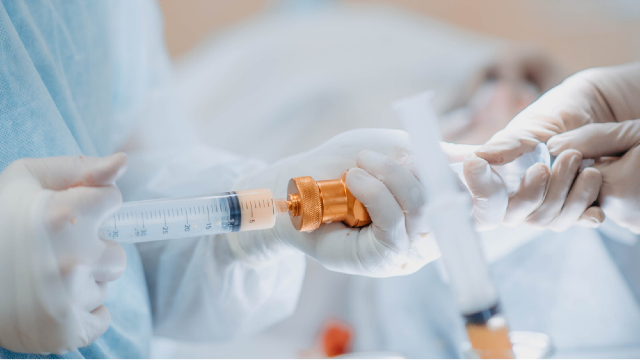
Facial fat grafting is an autologous transfer: the patient's own fat is harvested, processed and re-injected where volume is lacking.
JNB Clinic describes the procedure as taking fat typically from the abdomen, flanks or thighs by liposuction, purifying it, and re-injecting it into volume-deficient facial areas — temples, cheeks, tear troughs, nasolabial folds and chin — to restore contour using the patient's own tissue rather than synthetic filler material. The patients it documents as candidates are those whose faces have lost volume — temples that have hollowed, cheeks gone flat or sunken, nasolabial folds that have deepened, or an under-eye area that reads as thin and hollow.
The clinic's method is set out in four steps. The surgeon analyzes facial structure, skin thickness and volume loss to create a personalized plan; a small amount of fat is collected from a donor area; the harvested fat is processed to isolate healthy, purified fat cells; and the purified fat is injected into the planned areas using the clinic's micro-layer injection technique. The clinic uses 3D facial analysis for planning and fine cannulas for placement, and in selected cases PRP or SVF may be combined with the graft to support graft survival and healing.
ASPS adds the general caveats that apply to all fat transfer. Fat injection is a more extensive procedure than off-the-shelf fillers: a donor area has to be chosen and liposuction used to extract the fat, which is then transferred to the face as a graft. The grafted fat must redevelop a blood supply in order to survive, and ASPS states that about half of the injected fat does so. In the face, ASPS notes, most of the transferred fat usually survives but results can be somewhat less predictable, and multiple fat transfer procedures are typically needed to reach the desired result. There is also additional discomfort at the donor site.
JNB Clinic's own guidance on this service is to avoid promising a specific fat-survival percentage. Retention varies between individuals, which is part of why the result is assessed over months rather than days.
What Skin Lifting Addresses
Energy-based and thread-based lifting treatments work on the covering layer and the tissue beneath it rather than on volume.
ASDS describes non-invasive skin tightening procedures as non-surgical devices used to stimulate collagen production in the deeper layers of the skin, working over time to shrink tissue that has lost tone and elasticity. The majority, ASDS notes, use laser energy, radiofrequency energy, ultrasound energy or a combination of these to deliver heat to the skin tissue, and the devices can be applied to the face, neck, abdomen, buttocks, arms and thighs, with the number of treatments varying by device, energy source, location and individual need.
ASDS is equally clear about the pace. Results from skin tightening procedures that work by collagen stimulation can often take at least three to six months to show their effect. Afterwards, patients may have mild swelling, bruising or redness; where swelling or bruising occurs it can last one to two weeks, while redness usually resolves within a few hours, and many people feel ready to resume normal activities that day or the next.
JNB Clinic's Skin Lifting Treatments category is described as its non-surgical route for skin laxity and early-to-moderate sagging, using energy-based devices — ultrasound, radiofrequency, RF microneedling and microwave — and thread-lift techniques, offered as an alternative or complement to surgical facelifting. Suitable candidates are described as patients with mild-to-moderate laxity who want a non-surgical tightening or lifting effect, with the ideal candidate and the device choice depending on the area, skin quality and degree of laxity assessed at consultation.
The clinic's own results expectation for this category: gradual improvement over two to six months with energy-based devices, with effects generally lasting about one to two years; thread lifting gives an immediate lift plus collagen benefits over the following months, typically lasting six to eighteen months. Results vary with individual skin condition and the treatment combination.
Why the Two Are Considered Together
The clinic documents the pairing explicitly. Skin lifting treatments are frequently combined with facial fat grafting, with thread lifting, or with other lifting technologies, and the combination is customized to each patient's facial condition and treatment goals.
The logic is not complicated. Tightening a covering layer over a framework that has lost fullness addresses only part of what changed. Adding volume to a face whose skin has lost tone can restore fullness without improving the contour along the jaw. Where both changes are present, addressing both is what a plan looks like.
What the consultation determines is the specific combination — which lifting technology, how much volume, in which areas, and in what order. The clinic describes its lifting consultation as evaluating skin condition, elasticity, facial contour, fat distribution, aging concerns and treatment goals, with the physician then recommending the most appropriate technology or combination of treatments. For fat grafting, the preparatory assessment analyzes facial structure, skin thickness and volume loss, using 3D facial analysis and facial measurements to build the plan before anything is scheduled.
Sequencing and timing for an individual case are settled in that consultation. Enquiries are handled through the clinic's contact page.
Practicalities: Time, Recovery and Review
Facial fat grafting at JNB Clinic is described as taking about one to two hours, performed under local anesthesia or sedation depending on the plan and the patient's needs, as a same-day procedure without hospitalization, with a preoperative consultation and scheduled follow-up visits required. The clinic states that patients are discharged the same day, that no stitches are required, and that daily activities can generally be resumed immediately.
The timeline afterwards is slower than the procedure. Initial swelling and bruising typically last one to two weeks, and the settled volume is usually visible at around two to three months once resorption stabilizes. The clinic includes regenerative care and swelling management in its staged aftercare system, with monitoring through healing.
Energy-based lifting sits at the other end of the recovery spectrum. The clinic describes most energy-based treatments as having no to minimal downtime; RF microneedling leaves redness for two to four days; thread lifting involves swelling or bruising for several days to a week, with final settling over two to four weeks.
Risks differ by modality and should be discussed individually. The clinic lists temporary redness, swelling and rare burns or nodules for energy-based devices; redness and pinpoint bleeding for a few days after RF microneedling; and dimpling, thread visibility, asymmetry and rare extrusion or infection for thread lifting. For fat grafting it lists partial resorption of the injected volume, swelling, bruising, asymmetry, and rare fat necrosis or lumps that may require further treatment.
ASDS adds the general risk picture for tightening devices: common effects are swelling, bruising and redness, while uncommon effects include skin burns, infection, numbness, muscle weakness, inflammatory or allergic reactions and contour changes. It also lists who should not have these treatments — patients with a current infection in the treatment area, patients with blood-clotting problems, and patients who are pregnant.
ASPS's general caution about injectables applies to the volume side of the plan too: severe complications are uncommon, but asymmetry, bruising, lumps, infection and under- or over-correction are among the potential risks of any injectable treatment, and all of these should be discussed before consent.
What a Good Consultation Looks Like
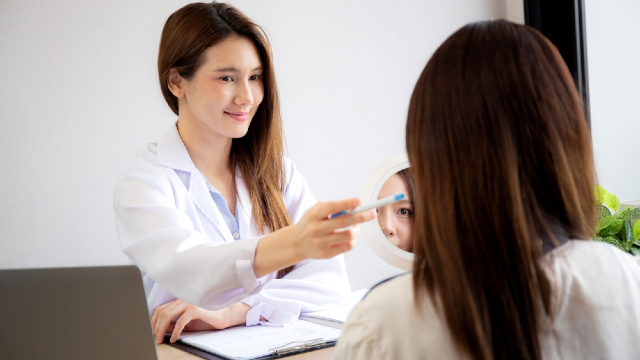
ASDS publishes a list of questions worth asking before any treatment for aging skin, including: which treatment is the correct one for me, how long is one appointment, how often do I need treatment and how far apart, how long is the recovery associated with my procedure, how can I prepare, what are the common side effects or complications, will the treatment hurt, what are my pain management options, and what should I expect afterwards in both the short and long term.
Its pre-procedure checks are equally practical: was my medical history taken, and was I given an initial evaluation to determine whether the technique is appropriate for my skin type.
For a combined plan, add the questions that join the two halves. Which of my concerns is volume and which is laxity? If both are being treated, what is the order, and why that order? When should each part be reviewed? And what happens at the review if the result is uneven?
ASDS notes that patients should be in good health, have realistic expectations, tell the doctor about prescription and over-the-counter medications and supplements they are taking, and avoid blood-thinning drugs for at least two weeks beforehand.
The clinic's about page outlines its approach to assessment and individualized planning.
The Bottom Line
- After the mid-forties, volume change and skin laxity are usually both present, and each is addressed by a different kind of treatment.
- JNB Clinic's facial fat grafting uses the patient's own fat, harvested from the abdomen, flanks or thighs, purified and placed with a micro-layer injection technique after 3D facial analysis.
- Its Skin Lifting Treatments category uses energy-based devices and thread techniques for mild-to-moderate laxity, with device choice decided by area, skin quality and degree of laxity.
- The clinic documents combining skin lifting with facial fat grafting as a customized plan; the specific combination, areas and order are settled at consultation.
- Both halves work on a delayed schedule: ASDS notes collagen-stimulation effects can take at least three to six months, and the clinic describes settled graft volume at around two to three months.
Frequently Asked Questions
Should I treat volume or laxity first?
That is a consultation decision. The clinic evaluates skin condition, elasticity, facial contour, fat distribution and aging concerns before recommending a technology or combination, and assesses facial structure, skin thickness and volume loss when planning grafting.
Why does fat grafting need more than one session sometimes?
ASPS explains that grafted fat must redevelop a blood supply to survive, that about half of the injected fat does so, and that multiple transfer procedures are typically needed to reach the desired result. Retention varies between individuals.
How soon will lifting treatments show an effect?
ASDS states that results from collagen-stimulating tightening procedures often take at least three to six months to appear. The clinic describes gradual improvement over two to six months with energy-based devices.
How long do lifting results last?
The clinic's stated expectation is that energy-based device effects generally last about one to two years, while thread lifting typically lasts six to eighteen months, with results varying by individual skin condition and treatment combination.
Is fat grafting an operation?
It is a surgical procedure performed as a day case. The clinic describes it as taking about one to two hours under local anesthesia or sedation, with patients discharged the same day and no stitches required.
Who should postpone these treatments?
ASDS lists current infection in the treatment area, blood-clotting problems and pregnancy among the situations where non-invasive tightening is not recommended. The clinic likewise advises postponing until an assessment confirms suitability.
What aftercare applies?
For lifting, the clinic advises avoiding alcohol, smoking, saunas and strenuous exercise for the recommended period, moisturizing regularly, using sun protection and not rubbing or massaging the treated area. For grafting, it describes regenerative care and swelling management within its staged aftercare system.
Provided for informational purposes and educational purposes, this article is general information and not a self-diagnosis tool; which treatments suit an individual face, and in what combination, is determined by a qualified medical professional after assessment.
More Articles
Continue reading our clinical guides.

Benefits of Stem Cell Therapy for Skin Rejuvenation
Discover the benefits of stem cell therapy for skin rejuvenation, including improved texture, reduced wrinkles, and a more youthful appearance.
Learn More

Recovery After Autologous Cartilage Nose Surgery
Learn what to expect during recovery after autologous cartilage nose surgery, including healing timelines, aftercare tips, and results.
Learn More
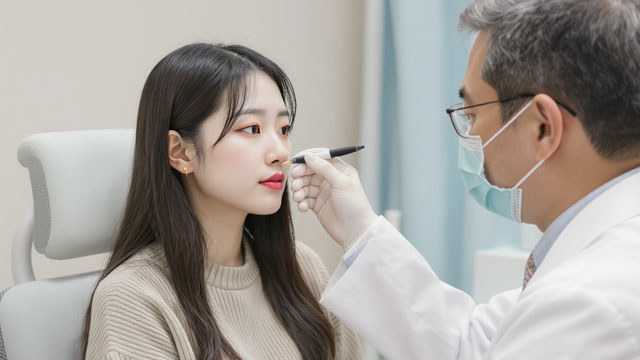
Revision Rhinoplasty: Everything You Need to Know Before Your Second Nose Surgery
Revision Rhinoplasty: Learn what to expect from a second nose surgery, including risks, recovery, and results. Explore your options and learn more.
Learn More