Personalized Nasal & Facial Care • Dedicated International Patient Concierge

Medical Guide
Facial Liposuction for Jawline & Lower-Face Definition
How facial liposuction sharpens the jawline and lower face using a micro-layer technique to avoid hollowing, plus recovery and safety at JNB Clinic.
Schedule a ConsultationFacial Liposuction for Jawline and Lower-Face Definition
Medically reviewed by Dr. Kang Ju-Yong, Board-Certified ENT (Otolaryngology) & Rhinoplasty Surgeon, JNB Clinic
If a soft under-chin, blunted jawline, or full lower cheeks make your face look heavier than you feel, facial liposuction may be a treatment worth understanding. It is a targeted procedure that removes small, localized pockets of fat from the lower face and neck to sharpen contour and definition. At JNB Clinic in Gangnam, Seoul, facial liposuction is offered as part of a face-contouring approach that focuses on natural balance rather than simply taking fat away. This guide explains what the procedure does, who tends to be a candidate, how a careful micro-layer technique is used to avoid an over-thinned or hollow look, what recovery can involve, and the questions worth asking before you decide. Individual results vary and are not guaranteed, so treat this as general education to bring into a conversation with a qualified physician.
What Facial Liposuction Actually Targets

Facial liposuction is not a weight-loss tool. It is a contouring procedure aimed at localized fat deposits that stay in place even when your overall body weight is stable. On the face, the most common areas are:
- The submental region, the fat pad under the chin often described as a "double chin."
- The jowls and along the jawline, where fullness can blur the transition between the face and neck.
- The buccal area (the lower cheeks), where prominent fat can make the mid-to-lower face look rounder.
- The upper neck, where softness can hide an otherwise defined jaw angle.
The goal is to reveal the underlying jawline and neck contour that fullness has been masking. Because these fat pockets are relatively small and sit close to important structures, facial liposuction is a precise, conservative procedure rather than a high-volume one. General patient education from the American Society of Plastic Surgeons (ASPS) emphasizes that liposuction is designed to treat stubborn, diet-and-exercise-resistant fat in specific areas, not to serve as a general slimming solution, and that principle applies with even more caution on the face.
Why Candidacy Matters More Than the Procedure Itself
Being a suitable candidate is central to a satisfying outcome. At JNB Clinic, the consultation begins with a detailed evaluation of your facial anatomy before any treatment planning. The medical team looks at overall facial balance, facial structure, skin thickness, and the distribution of facial fat to decide whether facial liposuction is appropriate and to design a personalized plan. The emphasis is on achieving natural, harmonious facial contours rather than simply removing fat.
In general terms, people who tend to do well with facial liposuction share a few features:
- Localized fat with a stable body weight. The procedure addresses discrete deposits, so results are easiest to maintain when weight is steady.
- Reasonable skin elasticity. Skin that can retract and drape over the newly reduced contour is important; skin quality is one reason a professional assessment matters.
- Realistic, specific goals. Wanting a crisper jaw angle or a less full under-chin is a defined goal; wanting a dramatically different face shape usually is not what liposuction alone provides.
People who are pregnant, who have an active skin infection in the treatment area, or who have not yet completed a consultation confirming that facial liposuction is the right fit should postpone until they are properly evaluated. A general medical assessment of overall health is also part of responsible planning, because being in good health lowers the chance of complications. You can start this conversation from anywhere in the world through the clinic's contact and inquiry channels, including a teleconsultation.
The Micro-Layer Technique: Removing Fat Without Creating Hollows
The most important technical idea for facial liposuction is restraint. On the body, removing a bit too much fat is often forgiving. On the face, the margin is much smaller: over-removal can leave irregular contours, visible depressions, or a gaunt, aged appearance rather than a refreshed one. This is why JNB Clinic uses a micro-layer technique intended to preserve a natural, non-hollow result.
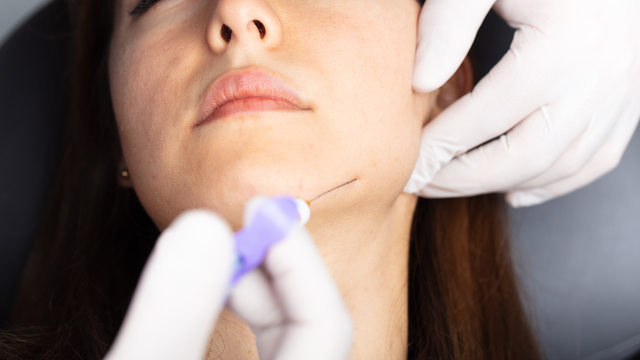
In practice, a micro-layer approach means fat is removed gradually and in thin, controlled passes rather than aggressively in one plane. Working through small, discreet incisions with fine cannulas, the surgeon sculpts the contour a little at a time, checking the shape as they go. The aim is to leave a smooth, even layer of fat that keeps the face looking soft and healthy while still improving definition along the jaw and under the chin. The clinic's stated priority is a refined contour that looks like a better version of your own face, not an over-thinned one.
This conservative philosophy lines up with mainstream surgical guidance. Educational resources from ASPS note that skilled contouring and appropriate patient selection are what separate a natural result from an over-treated one, and that removing too much can create irregularities that are difficult to correct. Reference material such as the StatPearls overview of liposuction likewise describes the procedure as the suction-assisted removal of localized subcutaneous fat, with technique and volume tailored to the area, and stresses that contour and safety depend on careful surgical judgment.
When Liposuction and Fat Grafting Work Together
Facial aging and facial fullness are not always the same problem in the same place. Some faces carry excess fat under the chin while also losing volume in the temples, cheeks, or along the mid-face. For these situations, removing fat in one zone and adding it in another can produce a more balanced result than either step alone.
At JNB Clinic, facial liposuction may be combined with facial fat grafting within a single recovery period. In fat grafting, fat is harvested, purified, and re-injected with fine cannulas into areas that have lost volume, using the patient's own tissue rather than synthetic filler. Pairing the two means the lower face can be slimmed and defined while volume is restored where it has thinned, all while you heal once instead of twice. Whether this combination makes sense for you depends entirely on your anatomy and goals, which is exactly what the consultation is designed to determine. As with all fat transfer, the amount of grafted fat that survives long-term is variable and individual, so no specific fat-survival percentage should be promised.
The Procedure Step by Step
While every plan is individualized, facial liposuction at JNB Clinic generally follows a clear sequence:
- Consultation and facial assessment. The team evaluates fat distribution, skin quality, and facial balance, then creates a personalized surgical design and explains what to expect.
- Anesthesia. The clinic states that facial liposuction is performed under either local anesthesia or sedation (sleep anesthesia), chosen according to your condition and surgical plan to keep you comfortable and support safety.
- Fat removal. Through small, discreet incisions, targeted fat deposits are removed with fine cannulas using the micro-layer technique to preserve a natural appearance.
- Dressing or compression. A compression garment or dressing may be applied to support the tissue as it settles.
- Aftercare and follow-up. You receive individualized postoperative instructions and scheduled follow-up visits to monitor healing and the developing contour.
The incisions used are small and placed to be as inconspicuous as possible. Because the treated areas are limited, facial liposuction is generally a shorter procedure than body liposuction, though exact timing depends on how many areas are addressed and whether it is combined with other treatments.
Recovery: What to Expect Week by Week
Recovery from facial liposuction is usually manageable, but it is a real surgical recovery and deserves respect. Based on the clinic's documented guidance and general liposuction education:
- First few days: Expect swelling, some bruising, and possibly temporary numbness in the treated areas. A compression dressing or garment may be worn to help the tissues conform to the new contour and control swelling.
- First one to two weeks: Swelling and bruising typically improve substantially over this window. Many people feel comfortable returning to normal daily activities during this period, though this varies.
- One to three months: The final, refined contour usually becomes visible as residual swelling fully subsides. Patience matters here, because early swelling can temporarily hide the result you are working toward.
For international patients, JNB Clinic notes that visitors typically stay in Korea for roughly seven to ten days after surgery, with the remainder of recovery continuing at home supported by online follow-up. Because your situation is unique, confirm the recommended length of stay and your specific aftercare plan directly with the clinic. General patient guidance, including Mayo Clinic's overview of liposuction, reinforces that swelling can take time to resolve and that final contour is judged over weeks to months rather than days.
Risks and How Careful Planning Reduces Them
Every procedure carries risk, and honesty about that is part of good care. Documented possible side effects and complications of facial liposuction include swelling, bruising, temporary numbness, and the risk of contour irregularity. Importantly, if too much fat is removed relative to a person's skin elasticity, the result can be skin laxity that might later need a lifting treatment to address. This is precisely why the conservative micro-layer technique and careful candidate selection matter so much.
General surgical risks that apply to liposuction more broadly, as covered in resources like StatPearls and Mayo Clinic, can include bleeding, infection, reaction to anesthesia, fluid shifts, and uneven results. Choosing an appropriately qualified surgeon, disclosing your full medical history, and following pre- and post-procedure instructions all help lower these risks. Results are individual and are not guaranteed, and a revision or touch-up is sometimes part of the process.
Choosing a Surgeon and Clinic Wisely
Where and with whom you have facial liposuction matters as much as the technique. ASPS guidance on choosing a surgeon for liposuction encourages patients to verify credentials and training, to ask how often the surgeon performs the specific procedure, to review before-and-after examples, to confirm the procedure is done in an appropriate, accredited setting, and to make sure you feel comfortable asking questions. Applying that same diligence to facial liposuction abroad is wise.
At JNB Clinic, procedures are performed by Dr. Kang Ju-Yong, a board-certified ENT (otolaryngology) and rhinoplasty specialist and the clinic's founding Chief Director, whose practice centers on precise, anatomy-led facial work. The clinic is a Registered Medical Institution for Attracting Foreign Patients certified by Korea's Ministry of Health and Welfare, and it offers English-language support and teleconsultation to help international patients plan safely. You can learn more about the clinic's approach and services on the JNB Clinic website, and use the consultation to ask direct, specific questions about your candidacy, the plan, and the realistic range of outcomes.
The Bottom Line
- Facial liposuction targets localized fat under the chin, along the jowls and jawline, in the lower cheeks, and in the upper neck to sharpen definition; it is a contouring procedure, not a weight-loss method.
- A micro-layer technique removes fat gradually in thin, controlled passes to preserve a natural, non-hollow result and to protect against over-removal.
- In selected cases, facial liposuction can be combined with facial fat grafting in a single recovery period to both slim and restore volume for better overall balance.
- Recovery typically involves swelling and bruising that improve over one to two weeks, with the final contour visible over one to three months; results are individual and not guaranteed.
- Candidate selection, an accredited setting, and a qualified surgeon matter more than any single technique, so confirm all details in a personalized consultation.
Frequently Asked Questions
Is facial liposuction a weight-loss procedure?No. It is designed to remove small, localized fat deposits that resist diet and exercise, such as under-chin or jawline fullness, in order to improve contour. It is not a substitute for weight management, and results are easiest to maintain when your body weight stays stable.
Will facial liposuction leave my face looking hollow or gaunt?The micro-layer technique used at JNB Clinic is specifically intended to avoid this by removing fat gradually and leaving a smooth, even fat layer that keeps the face looking natural. Conservative removal and careful assessment of your skin and anatomy are how the risk of an over-thinned look is minimized, though individual results vary.
What anesthesia is used?JNB Clinic states that facial liposuction is performed under either local anesthesia or sedation (sleep anesthesia), selected based on your condition and surgical plan as determined during the consultation, with the goal of maximizing comfort and safety.
When will I see my final result?Swelling and bruising usually improve within one to two weeks, and the final, refined contour typically becomes visible over one to three months as residual swelling fully subsides. Early swelling can temporarily obscure the outcome, so patience is important.
Can facial liposuction and fat grafting be done at the same time?Yes, in selected cases. JNB Clinic may combine facial liposuction with facial fat grafting in one recovery period, removing excess fat in some areas while restoring volume in others. Whether this suits you depends on your anatomy and goals, which the consultation is designed to clarify.
What are the main risks?Documented possibilities include swelling, bruising, temporary numbness, and the risk of contour irregularity. If too much fat is removed relative to skin elasticity, skin laxity can result and might later need a lifting treatment. Broader surgical risks such as bleeding, infection, and anesthesia reactions also apply, which is why qualified care and honest planning matter.
How long should international patients stay in Korea?JNB Clinic notes that international patients typically stay about seven to ten days after surgery, with recovery continuing at home under online follow-up. Because your case is unique, confirm the recommended length of stay directly with the clinic.
How do I know if I am a good candidate?Good candidates generally have localized facial fat, a stable body weight, reasonable skin elasticity, and specific, realistic goals. The only way to know for sure is a personalized assessment. You can begin with a teleconsultation and then confirm the plan in a full consultation.
This article is for general informational purposes and does not constitute individualized medical advice. All procedures carry risks; individual results vary and are not guaranteed. Consult a qualified physician and confirm details with JNB Clinic.
More Articles
Continue reading our clinical guides.

Benefits of Stem Cell Therapy for Skin Rejuvenation
Discover the benefits of stem cell therapy for skin rejuvenation, including improved texture, reduced wrinkles, and a more youthful appearance.
Learn More

Recovery After Autologous Cartilage Nose Surgery
Learn what to expect during recovery after autologous cartilage nose surgery, including healing timelines, aftercare tips, and results.
Learn More

Revision Rhinoplasty: Everything You Need to Know Before Your Second Nose Surgery
Revision Rhinoplasty: Learn what to expect from a second nose surgery, including risks, recovery, and results. Explore your options and learn more.
Learn More