Personalized Nasal & Facial Care • Dedicated International Patient Concierge

Medical Guide
Facial Fat Grafting: Restore Volume With Your Own Tissue
Facial fat grafting restores volume using your own tissue via harvesting, purification, and micro-layer injection. Learn the process and recovery.
Schedule a ConsultationFacial Fat Grafting: Restore Volume With Your Own Tissue
Medically reviewed by Dr. Kang Ju-Yong, Board-Certified ENT (Otolaryngology) & Rhinoplasty Surgeon, JNB Clinic
Facial fat grafting is a procedure that restores lost facial volume using your own tissue rather than synthetic filler. Fat is gently harvested from a donor area of your body, purified, and then re-injected into volume-deficient areas of the face to soften hollows and rebuild natural contour. Because the material is your own fat, there is no concern about allergy or rejection to a foreign substance. At JNB Clinic in Gangnam, Seoul, facial fat grafting is planned individually using 3D facial analysis and performed with a micro-layer injection technique for precise placement.
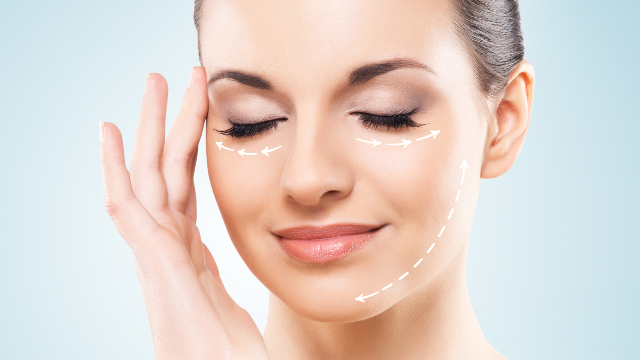
This guide walks through how the procedure works step by step — harvesting, purification, and injection — as well as where fat is commonly placed, what recovery looks like, and, importantly, the realistic and variable expectations around how much transferred fat survives long-term. Outcomes differ from person to person and are not guaranteed, so the aim here is to help you ask better questions, not to promise a particular result.
Why Choose Your Own Tissue
As faces age or lose weight, they often lose volume in specific areas — the temples may hollow, the cheeks may flatten, the under-eye area may deepen, and folds around the mouth may become more pronounced. Facial fat grafting addresses this by adding volume back using autologous fat, meaning fat taken from your own body.
The main appeal of using your own tissue is straightforward:
- It is your own material. Because the fat comes from you, there is no risk of an allergic reaction or rejection of a foreign substance.
- A natural feel and look. Fat is soft tissue, so when it integrates well it can restore volume with a natural appearance and feel.
- A dual benefit. Fat is harvested by liposuction from a donor site, so a small area elsewhere on the body is contoured in the process.
Common candidates are people with facial volume loss — hollow temples, flat or sunken cheeks, deep nasolabial folds, or a thin, hollow under-eye area — who want to restore volume using their own tissue. It is often considered by those looking for a more natural, potentially longer-lasting alternative to repeated synthetic filler treatments. It is generally not appropriate for people expecting dramatic, bone-structure-level change, those with unstable body weight, or anyone with an active skin infection or an uncontrolled bleeding disorder. Suitability is always determined through individual consultation. You can learn more about the clinic's aesthetic services on the JNB Clinic website.
Step 1: Harvesting the Fat
The first stage is collecting fat from a donor area. Fat is typically harvested by liposuction from areas such as the abdomen, flanks, or thighs — places where a small amount can be gently removed without noticeable change to the donor site.
At JNB Clinic, facial fat grafting is generally performed under local anesthesia or sedation (sometimes called sleep anesthesia), depending on the treatment plan and your needs. The procedure typically takes about one to two hours and is done as a same-day treatment, so hospitalization is not usually required. The choice of anesthesia is intended to keep the procedure comfortable and is confirmed during your preoperative assessment.
The goal at this stage is to collect healthy fat gently, because how the fat is handled from the very first step influences the quality of the cells that will later be re-injected.
Step 2: Purification
Harvested fat is not injected straight away. It is first processed and purified to isolate healthy, usable fat cells and separate them from fluid, blood, and other components collected during harvesting. This purification step matters because cleaner, well-processed fat is better prepared for transfer.
In selected cases, JNB Clinic may combine the fat graft with PRP (platelet-rich plasma) or SVF (stromal vascular fraction) to support graft survival and healing. This is offered as a documented part of the clinic's technique in appropriate cases — it is not a guarantee of a better result, and whether it is suitable for you is a clinical decision made during planning. No specific efficacy or survival outcome is promised by adding these components; they are described simply as measures that may be used to support the graft.
Step 3: Micro-Layer Injection
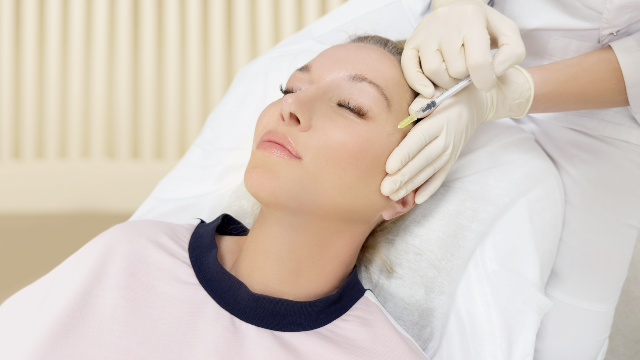
The purified fat is then carefully injected into the planned facial areas. JNB Clinic uses a micro-layer injection technique with fine cannulas, placing small amounts of fat in thin layers rather than in large single deposits. The rationale behind this approach is precision and a natural-looking result: distributing fat in fine layers helps it integrate smoothly and helps avoid an over-filled or lumpy appearance.
Fat is commonly placed in volume-deficient areas such as:
- Temples that have become hollow
- Flat or sunken cheeks
- The tear-trough or hollow under-eye area
- Deepened nasolabial folds
- The chin, to refine facial contour
Because the placement is customized to your face, planning is central. JNB Clinic uses 3D facial analysis and facial measurements to map volume loss and design where fat should go before the procedure. The intent is to improve facial balance and create harmonious, natural-looking volume tailored to your individual structure. To discuss which areas suit your goals, you can reach the clinic through the JNB Clinic contact page.
Understanding Fat Survival: Realistic Expectations
The single most important thing to understand about facial fat grafting is that not all of the transferred fat survives, and the amount that does is variable and individual. This is normal and expected, not a complication in itself.
When fat is moved to a new location, a portion of it is naturally resorbed by the body during healing before the surviving fat establishes a stable blood supply. It is commonly documented that a meaningful share of injected volume — often described in the range of roughly 30–60%, varying by individual — does not survive long-term. This is why:
- The final result is judged later, not right away. Early on the face looks fuller partly because of swelling and the initially placed volume; the settled result appears once resorption stabilizes.
- Some surgeons plan around it. Because a portion of fat will not survive, planning takes expected resorption into account.
- A touch-up is sometimes needed. In some cases an additional session is used to reach the desired volume once the first graft has settled.
An honest, compliant point: no responsible clinic can promise a specific fat-survival percentage or a guaranteed permanent result. Survival depends on individual factors such as your healing response, the treated area, and how the fat is handled. The surviving, well-established fat is generally considered a long-term result, but the exact amount cannot be predicted in advance. This is exactly why realistic expectations, set during a thorough consultation, matter so much for satisfaction.
Recovery Timeline
Recovery from facial fat grafting is generally manageable, but it does involve a settling period. Because the procedure involves both a donor site and the injected facial areas, mild effects can appear in both places, though the facial changes are usually the focus.
General expectations include:
- First 1–2 weeks. Initial swelling and bruising in the treated facial areas are typical during this period.
- Around 2–3 months. The final, settled volume usually becomes visible once resorption stabilizes and swelling fully subsides.
- Longer term. The fat that survives is generally considered a lasting result, though a touch-up session is sometimes used to fine-tune volume.
JNB Clinic includes regenerative care and swelling management as part of its staged aftercare, with monitoring throughout healing to support graft retention and results. Follow-up visits are scheduled to evaluate how the area is settling. For international patients, English support and teleconsultation are available, and JNB Clinic is a Registered Medical Institution for Attracting Foreign Patients certified by Korea's Ministry of Health and Welfare, so aftercare can continue with online follow-up once you return home.
Risks and Safety Considerations
Like any surgical procedure, facial fat grafting carries risks, and understanding them is part of making an informed decision. Documented risks include partial fat resorption (as discussed above), swelling, bruising, and asymmetry, with rarer possibilities such as fat necrosis or lumps that may require further treatment. Because harvesting involves liposuction of a donor site, standard considerations for that step apply as well.
Choosing an appropriately qualified surgeon and a properly equipped facility is central to patient safety. A thorough consultation should cover your medical history, your goals, the realistic range of outcomes, and the specifics of your plan — including whether PRP or SVF may be used in your case and why. Never hesitate to ask questions about the procedure, the setting in which it is performed, and how complications would be managed.
Facial fat grafting is sometimes performed alongside other facial contouring procedures, such as facial liposuction, allowing volume to be added in some areas while contour is refined in others within one recovery period. Whether a combined approach suits you is decided during individual planning.
The Bottom Line
- Facial fat grafting restores lost facial volume using your own tissue, avoiding the allergy or rejection concerns associated with a foreign substance.
- The process follows three stages: harvesting fat by liposuction from a donor site (such as the abdomen, flanks, or thighs), purifying it, and injecting it with a fine-cannula micro-layer technique for precise, natural placement.
- In selected cases, PRP or SVF may be combined with the graft to support survival and healing; this is a documented option, not a guarantee of a better outcome.
- Not all transferred fat survives — a variable share (often cited around 30–60%, individual) is resorbed — so the final result settles at roughly 2–3 months and a touch-up is sometimes needed.
- No specific fat-survival percentage or permanent result can be promised; outcomes are individual and not guaranteed, which is why a thorough consultation matters.
Frequently Asked Questions
Where does the fat come from?Fat is harvested by liposuction from a donor area of your own body, typically the abdomen, flanks, or thighs — sites where a small amount can be gently collected. Because it is your own tissue, there is no risk of allergy or rejection of a foreign substance.
How is fat grafting different from filler?Filler uses a synthetic material injected to add volume, whereas fat grafting uses your own purified fat. Fat grafting also involves a harvesting and processing step and a longer settling period, and the amount of transferred fat that survives is individual and variable.
How much of the transferred fat lasts?Not all of it. A portion is naturally resorbed during healing — commonly described in the range of roughly 30–60%, varying by individual — before the surviving fat stabilizes. No clinic can promise a specific survival percentage. The fat that establishes itself is generally considered a long-term result.
What are PRP and SVF, and will I need them?PRP (platelet-rich plasma) and SVF (stromal vascular fraction) are components that, in selected cases, JNB Clinic may combine with the fat graft to support graft survival and healing. They are used at the surgeon's discretion based on your case and are not promised to guarantee a particular outcome.
How long is recovery?Initial swelling and bruising typically last about 1–2 weeks, and the final settled volume usually appears at around 2–3 months once resorption stabilizes. JNB Clinic provides swelling management and regenerative care as part of its staged aftercare, with follow-up visits to monitor healing.
Is the procedure painful, and what anesthesia is used?Facial fat grafting is generally performed under local anesthesia or sedation, depending on the plan, to keep the procedure comfortable. It typically takes about one to two hours and is a same-day treatment. Your anesthesia method is confirmed during preoperative assessment.
Can it be combined with other procedures?Yes. It may be combined with other facial contouring procedures, such as facial liposuction, so volume can be added in some areas while contour is refined in others within one recovery period. Whether this suits you is decided during consultation.
How much does facial fat grafting cost?Pricing is individualized and depends on your specific treatment plan, including the areas treated and whether procedures are combined. Please confirm current pricing directly with JNB Clinic.
This article is for general informational purposes and does not constitute individualized medical advice. All procedures carry risks; individual results vary and are not guaranteed. Consult a qualified physician and confirm details with JNB Clinic.
More Articles
Continue reading our clinical guides.

Benefits of Stem Cell Therapy for Skin Rejuvenation
Discover the benefits of stem cell therapy for skin rejuvenation, including improved texture, reduced wrinkles, and a more youthful appearance.
Learn More

Recovery After Autologous Cartilage Nose Surgery
Learn what to expect during recovery after autologous cartilage nose surgery, including healing timelines, aftercare tips, and results.
Learn More
Revision Rhinoplasty: Everything You Need to Know Before Your Second Nose Surgery
Revision Rhinoplasty: Learn what to expect from a second nose surgery, including risks, recovery, and results. Explore your options and learn more.
Learn More